Introduction: The Universal Appeal of Sports
Sports are often seen as mere entertainment, a form of leisure to watch or participate in for fun. However, sports have far deeper significance in our society. From professional leagues with millions of viewers to local recreational games, sports provide much more than just a way to pass the time. They bring people together, challenge personal limits, and influence culture in ways that many other aspects of life cannot.
At their core, sports reflect the human desire to push boundaries, compete, and unite. Whether it’s the thrill of winning or the lessons learned in defeat, the world of sports plays a vital role in shaping both individuals and communities. This blog post will explore the impact sports have on personal development, society, and even the global economy.
The Evolution of Sports: From Ancient Times to Today
The origins of sports can be traced back thousands of years to ancient civilizations. The earliest forms of organized athletic competitions were found in ancient Greece with the Olympic Games, which began in 776 BC. These events were initially a religious festival dedicated to the Greek gods, but over time they became a symbol of athletic prowess and human achievement. The ancient Greeks valued physical fitness and believed in the connection between mental and physical strength. This idea laid the foundation for many of the sports we know today.
Throughout history, sports continued to evolve. In medieval Europe, archery, jousting, and various forms of hunting were popular among the nobility. In the 19th century, the industrial revolution transformed sports once again. New technologies, like the development of the bicycle, and the increased availability of leisure time led to the rise of organized sports such as football, tennis, and baseball.
The modern era has seen sports become a central part of our lives, with global events like the World Cup, the Olympics, and the Super Bowl drawing billions of viewers from around the world. Today, sports are a multi-billion dollar industry and a powerful force in both local and global communities.
Sports and Physical Health: The Key to Wellness
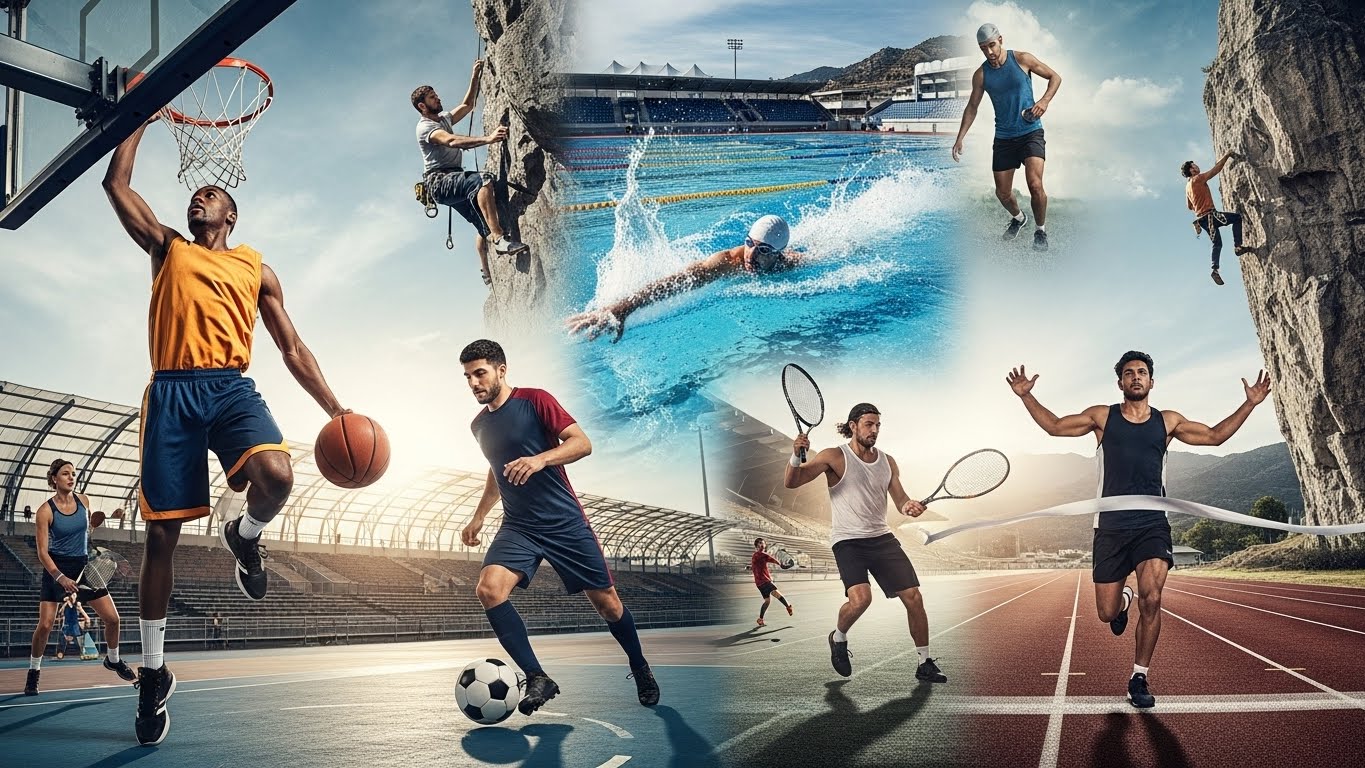
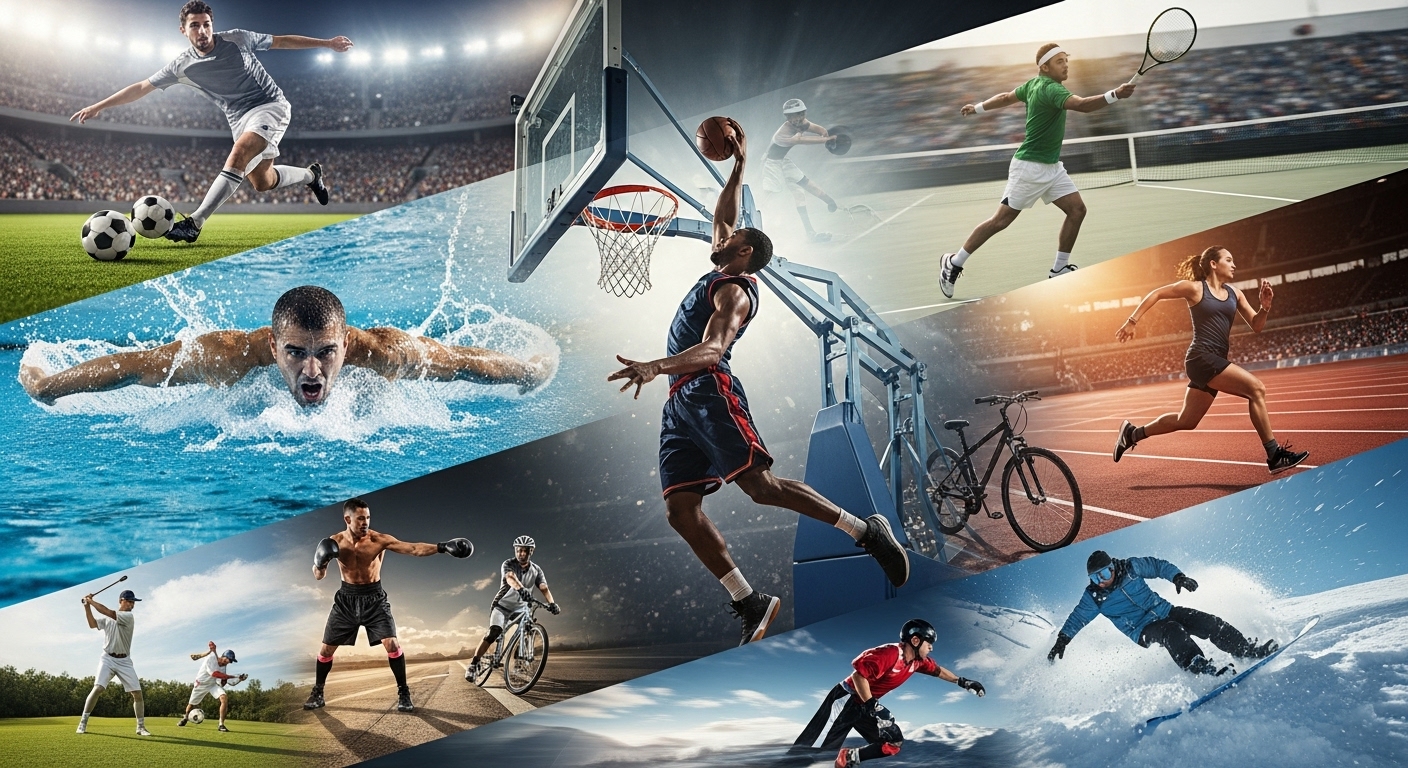
One of the most important benefits of sports is their positive impact on physical health. Participation in sports provides a fun and engaging way to maintain a healthy lifestyle. Unlike traditional exercise routines, sports offer a competitive element that can keep people motivated and engaged. Whether it’s running, swimming, or playing team sports like soccer or basketball, the physical activity involved helps improve cardiovascular health, muscle strength, and flexibility.
Regular participation in sports can also help prevent a wide range of health issues, including obesity, diabetes, and hypertension. For children and teenagers, sports help promote healthy bone development, improve motor skills, and contribute to better overall health. In adults, regular physical activity is linked to lower risks of chronic diseases and mental health conditions.
Moreover, sports are beneficial for mental well-being. Physical activity releases endorphins, which are chemicals in the brain that promote feelings of happiness and reduce stress. Athletes often report feeling a sense of accomplishment, confidence, and self-worth after a good performance or competition. This emotional boost can have lasting effects on one’s mental health and overall outlook on life.
The Role of Sports in Building Community and Identity
Sport is one of the most powerful tools for building community and identity. It creates a shared sense of purpose and brings people together in ways that few other activities can. This is especially true in team sports, where collaboration, trust, and unity are essential for success. Whether in youth leagues, school teams, or professional sports, playing as part of a team fosters bonds that go beyond the game.
In local communities, sports programs often serve as a cornerstone for social interaction and development. Youth leagues provide children with a safe and supportive environment to learn important life skills such as teamwork, discipline, and perseverance. These experiences can shape an individual’s character, creating a foundation for success both on and off the field.
On a larger scale, professional sports teams play a key role in shaping the identity of a region or nation. Fans connect with their local or national teams in a deeply personal way, often identifying with the team’s successes, struggles, and victories. This connection can lead to powerful expressions of loyalty and pride. For instance, sports fans often see their favorite teams as representations of their cities or countries, which in turn influences community pride and cultural identity.
The unifying effect of sport is not just about local pride; it can bridge deep social and cultural divides. Sporting events like the Olympics or the FIFA World Cup bring together nations from all corners of the globe, fostering a sense of international unity. Despite differences in language, culture, or politics, people from diverse backgrounds can cheer for the same teams or athletes and celebrate their shared love for the game.
Sports as a Platform for Social Change
Athletes and sports organizations have long used their platforms to advocate for social change. In the past, athletes like Muhammad Ali and Jackie Robinson became symbols of resistance against racial inequality, using their fame to speak out for civil rights. Today, athletes continue to use their visibility to bring attention to social justice issues, including racial equality, LGBTQ+ rights, and gender equality.
The role of sports in social movements is particularly evident when it comes to women’s sports. For much of history, women’s sports were underfunded, underrepresented, and often marginalized. However, in recent decades, female athletes have fought for and earned the recognition they deserve. The success of athletes like Serena Williams, Megan Rapinoe, and Simone Biles has shone a light on gender disparities in sports and has inspired new generations of women to pursue athletic careers.
Sports also provide an opportunity for activism on the global stage. Events like the Olympics and World Cup often become platforms for political statements, as athletes and countries use these occasions to express their views on issues such as human rights, war, and freedom. For example, the “Black Power” salute by Tommie Smith and John Carlos at the 1968 Olympic Games became an iconic symbol of protest against racial injustice.
The Economic Impact of Sports
The sports industry is one of the most lucrative sectors in the world. The global sports market is worth over $500 billion, encompassing everything from professional leagues and major sporting events to merchandise and sponsorships. Major sporting events like the Super Bowl, the Olympic Games, and the FIFA World Cup not only generate billions in revenue but also stimulate economic growth in the host cities and countries.
Professional sports leagues, including the NFL, NBA, MLB, and Premier League, are financial powerhouses. They generate revenue through ticket sales, broadcasting deals, sponsorships, and merchandise sales. In addition, sports-related businesses, including equipment manufacturers, apparel companies, and media networks, contribute significantly to the economy.
Moreover, sports tourism has become a major industry. Fans travel the world to attend sporting events, bringing business to hotels, restaurants, airlines, and other travel-related services. This has a significant impact on the economy of host cities, as sporting events often generate millions of dollars in tourism revenue.
The Globalization of Sports
Sports are increasingly becoming a global phenomenon. The rise of digital media, particularly social media, has allowed fans to follow their favorite teams and athletes from anywhere in the world. Streaming services now offer live coverage of sporting events in real time, creating a more connected global fanbase.
This globalization of sports has also led to greater cross-cultural exchange. Athletes from different countries and backgrounds come together in international competitions, promoting a sense of global unity. The rise of international leagues and tournaments, such as the UEFA Champions League or the NBA, further demonstrates the global appeal of sports. The fact that millions of people worldwide tune in to watch events from countries and cultures different from their own highlights how sport transcends national boundaries.
Additionally, the globalization of sports has led to the spread of new sports in different regions. For example, American football has gained popularity in Europe, while basketball and soccer have become increasingly popular in Asia. This cross-pollination of sports cultures continues to shape the global sports landscape.
The Future of Sports: Embracing Technology and Innovation
As technology continues to evolve, it is changing the way we experience and participate in sports. Advances in sports science and technology have led to better training methods, injury prevention, and performance analysis. Wearable devices, such as fitness trackers, allow athletes and fans alike to monitor key metrics, providing valuable insights into health and performance.
Virtual and augmented reality are also starting to play a role in the sports world. Fans can now experience live games from the perspective of the athletes themselves, enhancing their viewing experience. Additionally, innovations in broadcasting technology are bringing games into the homes of fans in more immersive and interactive ways.
Esports, or competitive video gaming, is another area that is rapidly growing in popularity. Esports tournaments attract millions of viewers, and top gamers are now treated like professional athletes, with sponsorships, salaries, and endorsements. The rise of esports is an example of how technology is creating new avenues for sports participation and consumption.
Conclusion: The Timeless Power of Sport
Sports will continue to play an essential role in society for years to come. They provide entertainment, promote physical and mental health, and serve as platforms for social change. Whether it’s the local pickup game or the international stage, sports offer something for everyone. They challenge us to push our limits, teach us about teamwork and perseverance, and unite us in the spirit of competition and joy.
As the world continues to evolve, so too will sports. They will adapt to new technologies, grow more inclusive, and continue to break barriers. But one thing remains certain—sports will always be more than just games. They are a reflection of who we are, both as individuals and as a global community.