Sports are more than physical contests between individuals or teams; they are cultural celebrations that unite communities, inspire nations, and create lasting identities. Throughout history, athletic competition has often gone beyond medals and trophies to represent values such as resilience, teamwork, discipline, and unity. In particular, the connection between sports and national pride has proven to be one of the most powerful forces in shaping collective identity. Whether during international tournaments, the Olympic Games, or even friendly matches, nations have consistently looked to sports as a source of inspiration and solidarity.
This blog explores the profound ways national pride is built through sports, diving into historical examples, cultural implications, and the psychology of shared victories and defeats.
The Emotional Power of Sports
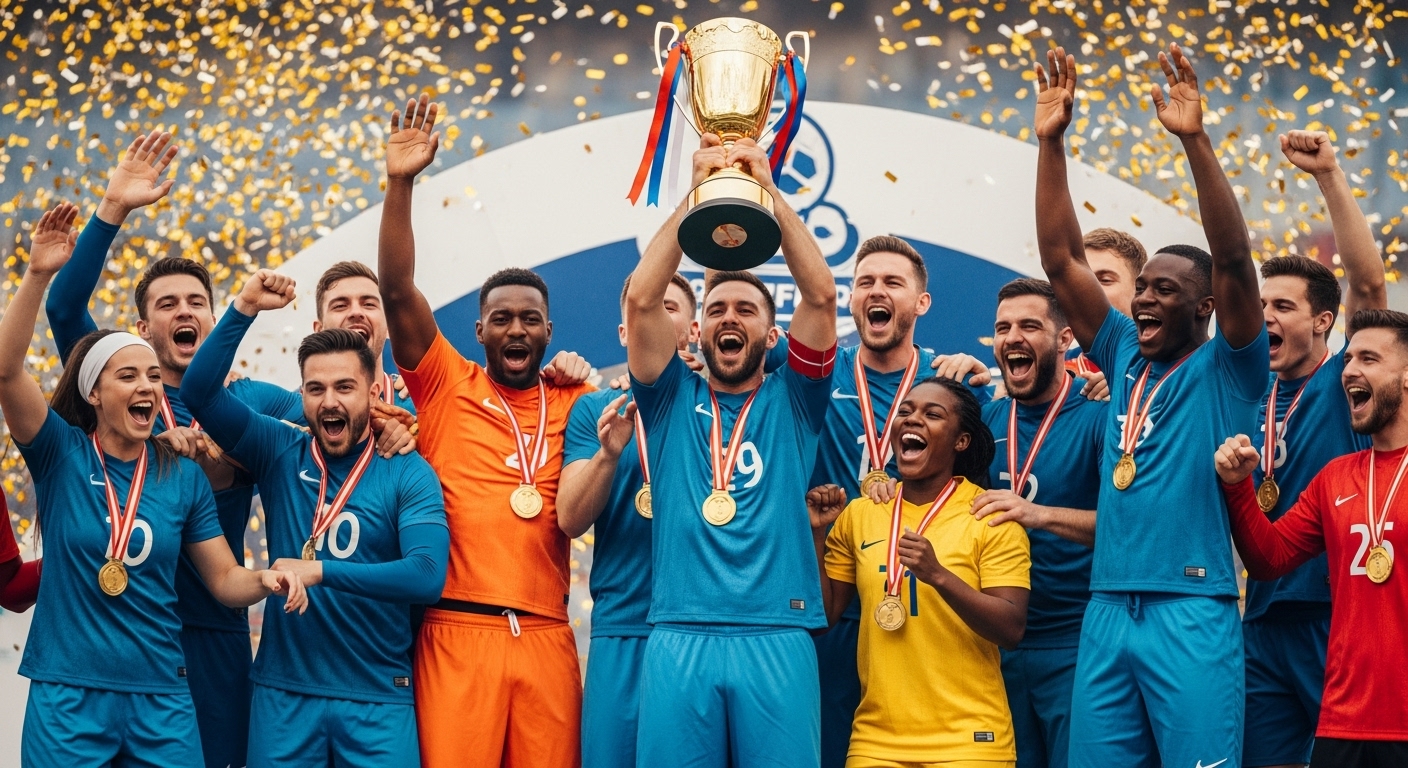
At the heart of sports lies emotion. When athletes take the field wearing their nation’s colors, they embody more than themselves; they represent millions of people watching from home or in the stands. The triumph of a national team often feels like a personal victory for every citizen, while losses can evoke collective heartbreak.
This emotional connection creates a shared narrative. Whether it is pride in an underdog story, admiration for perseverance, or joy in dominance, sports allow citizens to feel directly linked to their country’s image on the world stage. The unifying power of these emotions strengthens patriotism and national identity.
Historical Roots of Sports and Nationalism
The link between sports and national pride is not new. In ancient Greece, the Olympic Games were seen as not only athletic competitions but also demonstrations of cultural superiority. City-states sent their best athletes to compete, and victories were celebrated as proof of strength and honor.
In the modern era, international sports competitions became powerful tools for nationalism. During the 20th century, events like the World Cup and the Olympics provided opportunities for nations to display their strength and resilience, often amid political tensions. Victories in these arenas became symbols of national power and global recognition.
Sports as a Reflection of National Identity
Sports often mirror the cultural identity of a nation. For example, rugby is deeply tied to New Zealand’s cultural pride, with the haka ritual performed before matches symbolizing heritage and unity. Similarly, Brazil’s passion for football is linked to its national identity, where flair, creativity, and rhythm reflect the culture of the people.
These connections strengthen the pride of citizens, as victories in sports reaffirm the qualities and values they see in themselves. Sports, therefore, serve as a reflection of how nations perceive their strengths and uniqueness.
The Olympic Games and National Pride
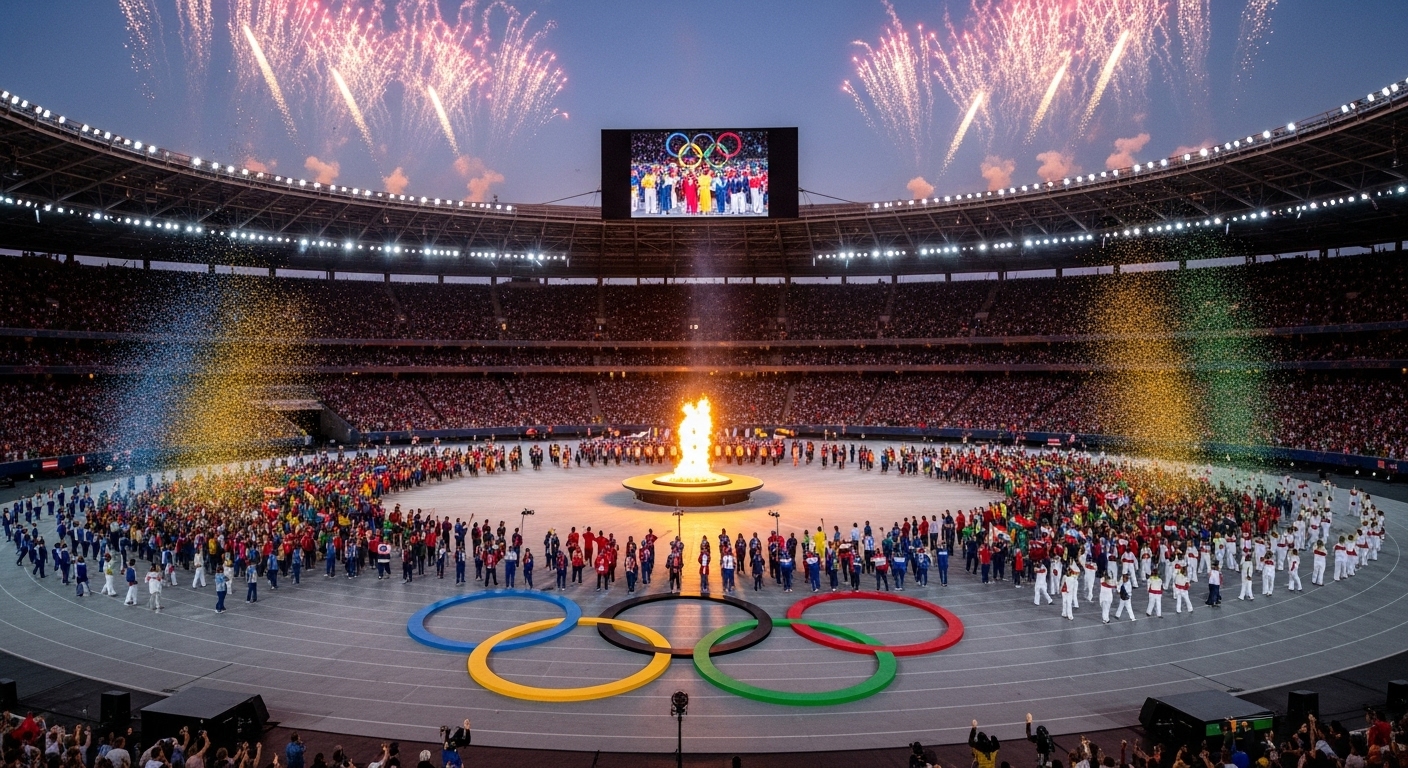
Few sporting events capture the spirit of national pride as profoundly as the Olympic Games. Every four years, countries across the globe send athletes to compete on the world’s largest sporting stage. Each medal won becomes a symbol of achievement, contributing to the nation’s prestige.
For smaller or developing countries, even a single medal can ignite nationwide celebrations. It demonstrates that despite limited resources, their athletes can compete and succeed at the highest levels. For larger nations, medal tallies often become points of pride, reinforcing their image as global powers.
The Olympics also highlight cultural heritage, as the opening ceremonies provide countries the chance to showcase their traditions, history, and identity to the world. This cultural exhibition, combined with athletic competition, makes the Games one of the most significant contributors to national pride.
Football World Cups and Global Unity
Few events in the world inspire as much passion as the FIFA World Cup. Football, being the most popular sport globally, turns the tournament into a festival of pride, rivalry, and unity. National teams become symbols of hope, and victories on this stage resonate for decades.
For example, when South Africa hosted and participated in the 2010 World Cup, the nation used the event to project a new image of unity and progress after apartheid. Similarly, France’s World Cup victories in 1998 and 2018 became moments of national celebration, symbolizing multicultural unity and resilience.
The World Cup demonstrates how sports can foster pride by giving nations the chance to showcase their talents on a stage where the whole world is watching.
Underdog Stories and National Inspiration
One of the most powerful ways sports build national pride is through underdog victories. When smaller or less-favored nations achieve success against stronger opponents, the entire country unites in celebration. These stories highlight determination, resilience, and courage—values that citizens identify with and cherish.
Examples include Greece’s stunning victory in the 2004 European Football Championship or Iceland’s remarkable run in the 2016 tournament, where a tiny nation captured global admiration. These achievements not only inspire the people within those countries but also elevate their national identity on the international stage.
Sports Heroes as National Icons
Individual athletes often become symbols of national pride. Their achievements on the global stage make them ambassadors of their countries, embodying the values and aspirations of their people.
Figures like Usain Bolt for Jamaica, Michael Phelps for the United States, and Lionel Messi for Argentina are celebrated not only for their personal records but also for what their success represents for their nations. These athletes inspire generations, instill confidence, and project a sense of greatness that citizens feel proud to be associated with.
Sports heroes also play a crucial role in uniting citizens across political, cultural, and social divides, offering a common figure of admiration.
National Pride in Times of Struggle
Sports often become especially important in times of national struggle. During wars, economic crises, or social upheavals, sporting victories offer moments of relief and hope. They remind citizens of their resilience and provide a positive narrative to rally around.
For instance, during World War II, sports were used as morale boosters for nations under stress. In more recent times, events like Japan’s recovery from natural disasters or the United States’ triumph after the September 11 attacks highlight how sports can heal wounds and foster unity.
These moments showcase the extraordinary ability of sports to uplift entire populations when they most need encouragement.
National Pride Through Hosting Mega Events
Hosting international sporting events is another way nations build pride. When a country organizes events like the Olympics or the World Cup, it has the opportunity to showcase its infrastructure, hospitality, and culture to the world. Successfully hosting such events creates a sense of accomplishment and recognition.
The pride of hosting is not just about the games themselves but also about the global attention, economic benefits, and improved infrastructure left behind. Nations like China during the 2008 Olympics or Qatar with the 2022 FIFA World Cup used these events to project new national images while fostering immense pride among their citizens.
Unity Across Divisions
One of the most remarkable aspects of sports is its ability to bridge divisions. In diverse nations with varying languages, ethnicities, or political ideologies, sports often provide a unifying platform.
When a national team plays, people from different backgrounds come together to support a common cause. This unity strengthens national pride by reminding citizens that, despite differences, they are part of one identity. Examples of this unity can be seen in countries like India during cricket matches or Nigeria during football tournaments, where entire populations momentarily set aside divisions to support their national teams.
Media, Sports, and National Identity
The role of media cannot be underestimated in building national pride through sports. Television, radio, newspapers, and now social media amplify victories and create heroes out of athletes. Media narratives often frame victories as historic achievements and losses as lessons in resilience, contributing to national identity.
By broadcasting these stories, the media ensures that every citizen feels connected to the triumphs and struggles of their athletes, regardless of whether they follow the sport regularly. This widespread coverage allows national pride to reach even those who may not have been directly involved with the games.
Symbolism of National Colors and Anthems
National pride in sports is reinforced through symbols such as flags, jerseys, and anthems. When athletes enter the arena dressed in their national colors, they carry the identity of their country. Victories accompanied by the raising of the flag and the playing of the national anthem are deeply emotional moments for both athletes and citizens.
These symbols transform victories into moments of collective pride, reminding citizens of their shared heritage and unity. It is often in these moments—when an anthem echoes through the stadium—that the connection between sports and nationalism feels most profound.
The Psychological Impact of Victories and Defeats
From a psychological perspective, national pride built through sports is rooted in shared identity. Social identity theory explains how individuals derive part of their self-esteem from the groups they belong to. When a national team wins, citizens feel as though they personally achieved success, boosting self-esteem and confidence.
Conversely, defeats can lead to national disappointment, but even in losses, there is often pride in the effort, resilience, or the journey itself. This shared emotional rollercoaster strengthens bonds between citizens, reinforcing their collective identity.
Challenges of Excessive Nationalism in Sports
While national pride in sports has many positive effects, it also carries challenges. Excessive nationalism can lead to hostility, discrimination, or even violence between fans. In some cases, sporting rivalries between nations have mirrored political tensions, creating animosity rather than unity.
Balancing healthy pride with respect for opponents is essential. Sports should ultimately foster international friendship and understanding, not division. Recognizing this balance ensures that national pride remains a positive force for unity.
Lessons from National Pride in Sports
The relationship between sports and national pride teaches us valuable lessons about unity, resilience, and identity. It shows that pride is not only built on victories but also on the values demonstrated through participation, perseverance, and sportsmanship.
Nations that celebrate their athletes not just for winning but also for their effort and integrity promote inclusive and sustainable forms of pride. These values ensure that sports continue to inspire citizens long after the final whistle.
Conclusion
Sports play a vital role in building national pride. From the Olympic Games to World Cups, from iconic underdog victories to individual heroes, the ability of sports to unite people under one flag is unparalleled. They provide nations with opportunities to showcase their culture, celebrate their identity, and inspire their people.
In moments of victory, citizens feel invincible; in moments of defeat, they find resilience. National pride built through sports is about more than medals or trophies—it is about shared emotion, collective identity, and the enduring power of unity. As long as athletes continue to compete for their nations, sports will remain one of the strongest pillars of national pride around the globe.