
Introduction: The Ever-Evolving World of Sports
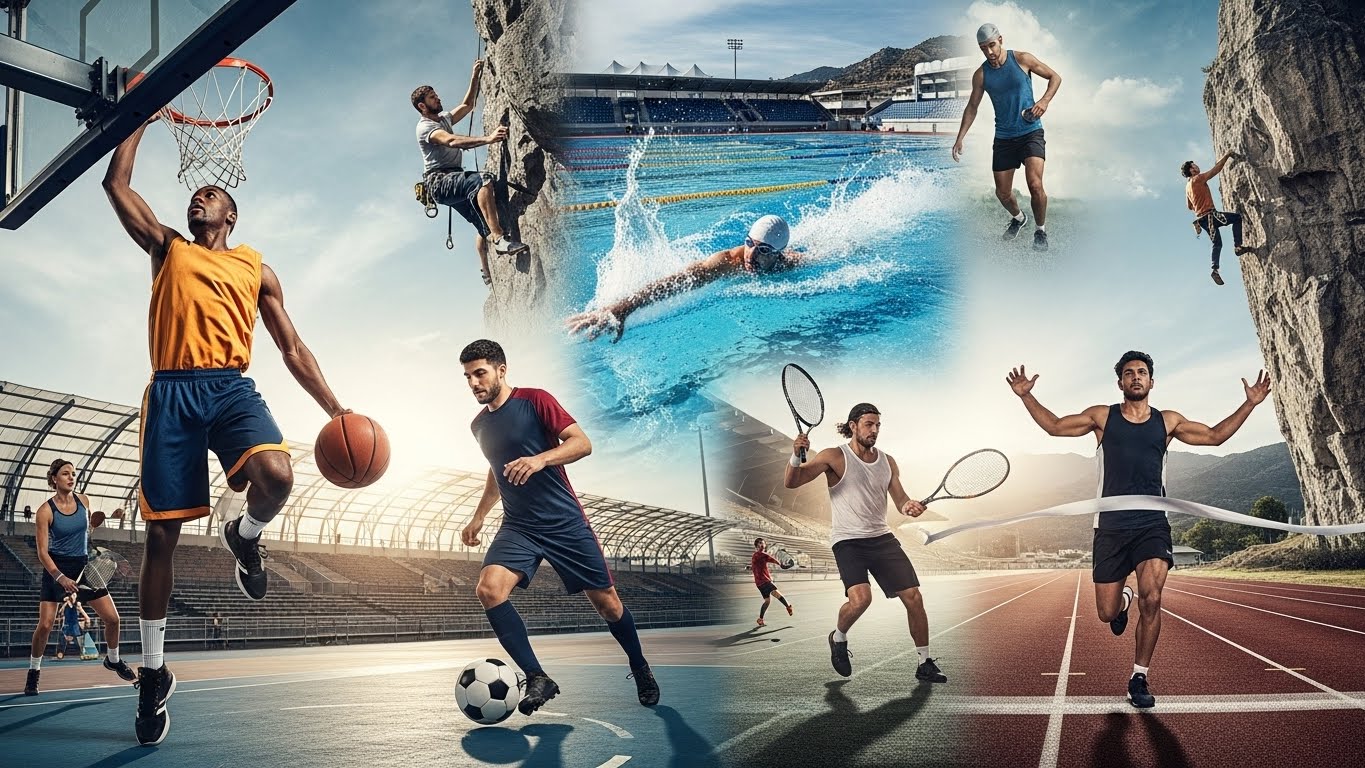
Sports have always been more than just games. They are reflections of culture, expressions of human capability, and powerful forces that unite people across borders. Today, the world of sports is evolving faster than ever before. Athletes are redefining the limits of the human body, technology is transforming performance, and fans are engaging with competitions in ways that were unimaginable a decade ago. In this blog, we explore how modern sports are shaping a new generation of champions—physically, mentally, and socially.
The New Athlete: A Blend of Power, Science, and Mindset
Athletes of the past relied heavily on natural talent and rigorous physical training. While these remain essential, modern athletes also embrace science, analytics, and mental conditioning. Sports are no longer dominated by brute strength or speed alone. Today, success is a finely tuned combination of physiology, nutrition, psychology, and data-driven decision-making.
The rise of sports science has enabled athletes to train smarter rather than simply harder. Detailed performance metrics, diet mapping, sleep tracking, and personalized conditioning programs allow athletes to stay in peak form without burning out. This shift highlights how preparation off the field is just as important as performance on it.
Mental strength has also become a core element. With increasing pressure from fans, media, and competitive standards, athletes must maintain composure, confidence, and focus. As a result, mental coaches and mindfulness practices have become as common in training regimens as weights and cardio.
Training Technology: Tools That Take Performance to New Heights
The sports industry has embraced technology at an unprecedented pace, transforming how athletes train and how coaches strategize. Wearable devices now track heart rate variability, muscle oxygen levels, reaction time, and more. High-level athletes depend on these insights to prevent injuries and peak at the right moment.
Virtual reality training has emerged as a powerful tool, especially in sports that require strategic thinking. From quarterbacks practicing reads to soccer players improving decision-making under pressure, VR allows athletes to simulate real-game scenarios safely and repeatedly.
Biomechanical analysis is another breakthrough. High-speed cameras and motion-capture systems help athletes understand body mechanics down to the smallest detail. This allows for refined technique, higher efficiency, and reduced injury risk. In short, the training environment has become a high-tech ecosystem designed for optimal results.
Youth Sports: The Foundation of Future Champions
The path to becoming a top-level athlete often begins in childhood. Youth sports programs around the world are becoming more inclusive, structured, and competitive. They emphasize not only skill development but also teamwork, discipline, and perseverance.
However, modern youth sports also present challenges. Early specialization, where children focus on one sport at a very young age, has sparked debate among experts. While it may produce highly skilled athletes quickly, it can also lead to burnout or repetitive-strain injuries. Many coaches now advocate for multi-sport participation during early years to encourage well-rounded development.
The positive side is that children now have more opportunities, better coaching, and safer training conditions. Schools and clubs have embraced sports as a core part of education, offering young athletes pathways to scholarships, professional careers, and personal growth.
The Changing Role of Fans: More Engaged Than Ever
Fans have always been the heartbeat of sports. But today’s fans interact with their favorite teams and athletes in groundbreaking new ways. With 24/7 access to updates, behind-the-scenes content, and instant analysis, spectators feel more connected than ever before.
Live events are also more immersive. Stadiums incorporate large screens, interactive zones, and enhanced audio experiences to keep fans engaged. Even those who watch from home enjoy more dynamic coverage, with detailed statistics, real-time highlights, and expert commentary that enriches the viewing experience.
Social media has blurred the line between athletes and fans. Supporters can cheer, criticize, and communicate directly with players in real time. This visibility helps athletes build personal brands and engage with audiences worldwide, but it also increases pressure and scrutiny.
Sportsmanship and Character: The True Measure of a Champion
Despite the evolution of technology and competition, the core values of sports remain unchanged. Great athletes stand out not only for their skill but also for qualities such as discipline, respect, and integrity.
Sportsmanship plays a critical role in shaping character. When athletes shake hands after a tough match, help an opponent off the ground, or acknowledge a referee’s decision with grace, they demonstrate the true spirit of competition. These values inspire spectators and set powerful examples for young athletes.
The modern sports world also highlights stories of perseverance—athletes overcoming adversity, injuries, and setbacks to achieve greatness. These moments remind us that resilience and determination are just as important as raw talent.
The Rise of Women’s Sports: A Long-Overdue Spotlight
Women’s sports have experienced tremendous growth in recent years, gaining visibility, respect, and investment. Female athletes are breaking records, drawing massive audiences, and inspiring young girls globally.
This rise can be attributed to increased media coverage, improved training facilities, and greater advocacy for equality in sports. Women’s leagues in soccer, basketball, cricket, and combat sports have expanded rapidly, offering more professional opportunities than ever before.
The impact extends beyond the field. Female athletes serve as role models, challenging stereotypes and promoting gender equality. Their influence transcends sports, shaping cultural conversations and inspiring the next generation of female champions.
Challenges Faced by Modern Sports
Despite progress, the world of sports also faces challenges. Doping scandals, financial disparities, corruption, and mental health struggles remind us that sports are not immune to societal problems.
Athletes often face extreme pressure to perform at the highest level, leading to stress, anxiety, and burnout. Recognizing this, many sports organizations now prioritize mental health support by offering counseling, wellness programs, and time-off policies.
Another major issue is accessibility. While elite training and resources have dramatically improved performance, they are often available only to athletes with financial means. This gap continues to limit opportunities for talented individuals from underprivileged backgrounds.
Addressing these challenges requires open dialogue, stronger regulations, and continued investment in safe, ethical, and inclusive sports systems.
The Future of Sports: A Blend of Tradition and Innovation
The future of sports promises excitement, innovation, and evolution. As technology advances, athletes will continue breaking records that once seemed unbreakable. Fans will enjoy more immersive and personalized experiences. Training methods will become even more precise, and youth development will continue to improve.
However, sports will also maintain their timeless essence: the joy of competition, the thrill of victory, the heartbreak of defeat, and the unity that emerges when people come together to support their teams.
In the coming years, we may see advancements such as AI-driven coaching, fully automated officiating, wearable exosuits for rehabilitation, and global competitions that push the boundaries of human performance. Yet no matter how much sports evolve, passion, effort, and teamwork will remain at their core.
Conclusion: Sports as a Catalyst for a Better World
Sports bring people together in ways few things can. They teach valuable lessons about resilience, teamwork, and leadership. They inspire nations, celebrate diversity, and create unforgettable memories. As modern sports continue to grow in complexity and sophistication, they also strengthen their role as a positive force in society.
Whether you are an athlete, a coach, a parent, or a fan, the spirit of sports touches all of us. The new generation of champions rising today is not defined solely by medals and records but by character, passion, and the pursuit of excellence. And as long as these values endure, sports will forever remain one of humanity’s greatest gifts.