Introduction: The Universal Language of Sports
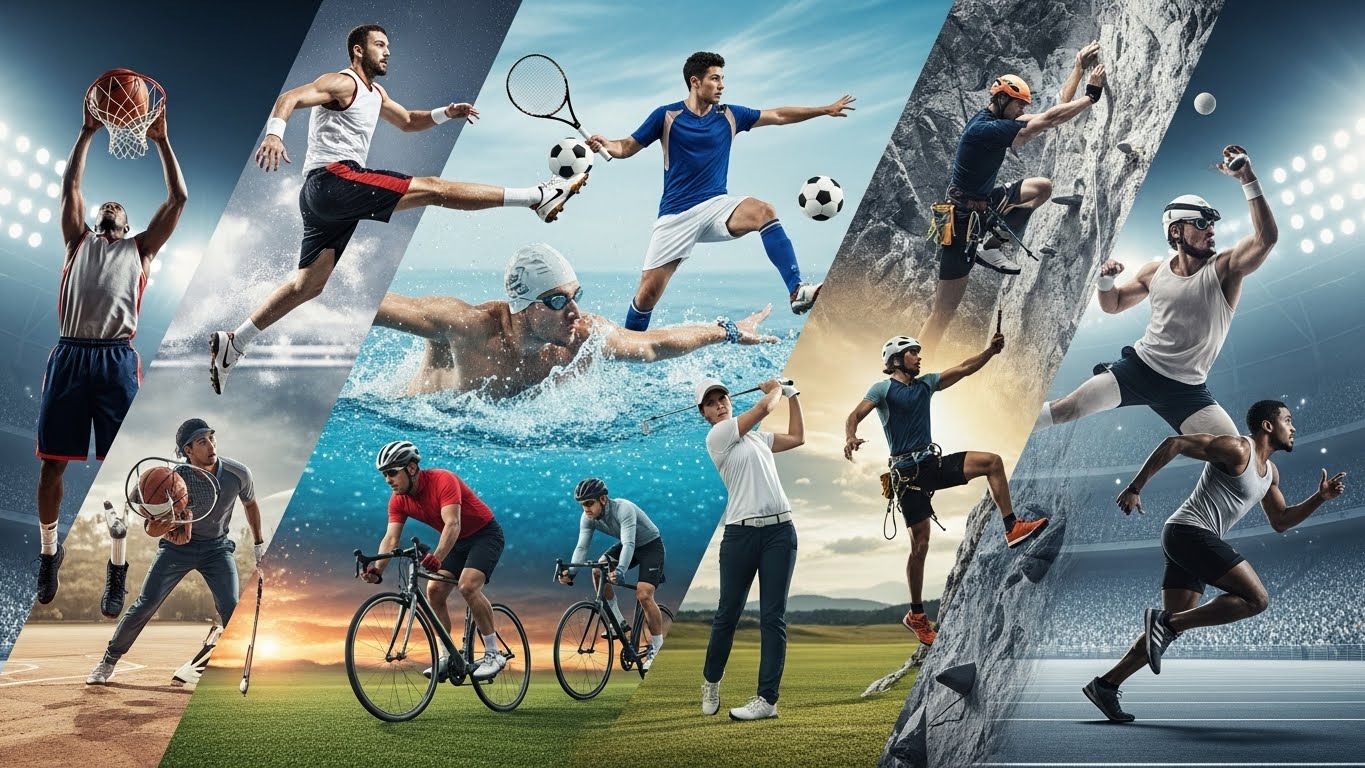
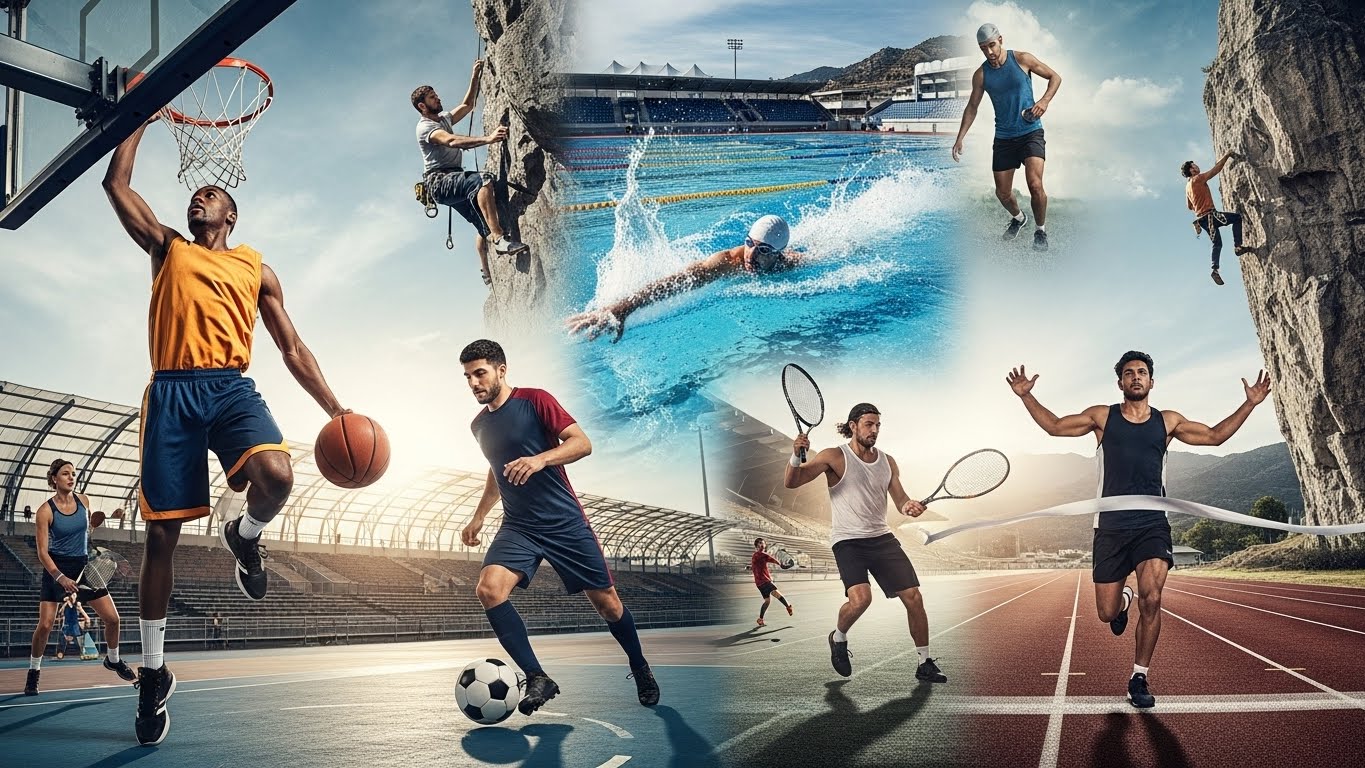
Sports have been an integral part of human civilization for thousands of years. From ancient Olympic games to modern international tournaments, sports have connected people across cultures, languages, and continents. More than just a pastime, sports influence health, society, education, and even economics. They serve as a platform where talent, discipline, and passion meet, and they help individuals develop both physically and mentally. In an era dominated by digital interactions, sports remain a timeless way for people to connect with themselves and others.
The Evolution of Sports
The history of sports is rich and diverse. Early civilizations engaged in physical contests that tested strength, endurance, and strategy. Over time, these activities evolved into structured competitions with rules, regulations, and organized events. Modern sports have become professionalized, with leagues, sponsorships, and international competitions such as the Olympics and the FIFA World Cup. This evolution reflects humanity’s desire to challenge limits, celebrate skill, and build communities through shared experiences.
The Physical Benefits of Sports
Engaging in sports provides numerous physical benefits. Regular participation improves cardiovascular health, strengthens muscles, enhances flexibility, and supports weight management. Sports also help prevent chronic illnesses by encouraging active lifestyles from an early age. Beyond fitness, the discipline required in sports teaches individuals how to maintain consistency, build stamina, and respect their bodies’ limits. Physical activity in sports is not just about performance; it promotes overall well-being and longevity.
Mental and Emotional Impact of Sports
Sports are equally powerful for mental and emotional health. They help reduce stress, anxiety, and depression by releasing endorphins and providing an outlet for energy. Participation in sports encourages focus, resilience, and problem-solving skills. Athletes learn to handle pressure, overcome setbacks, and maintain composure in challenging situations. For many, sports offer a sense of purpose and identity, fostering confidence and self-esteem that extends beyond the playing field.
Team Sports and Social Development
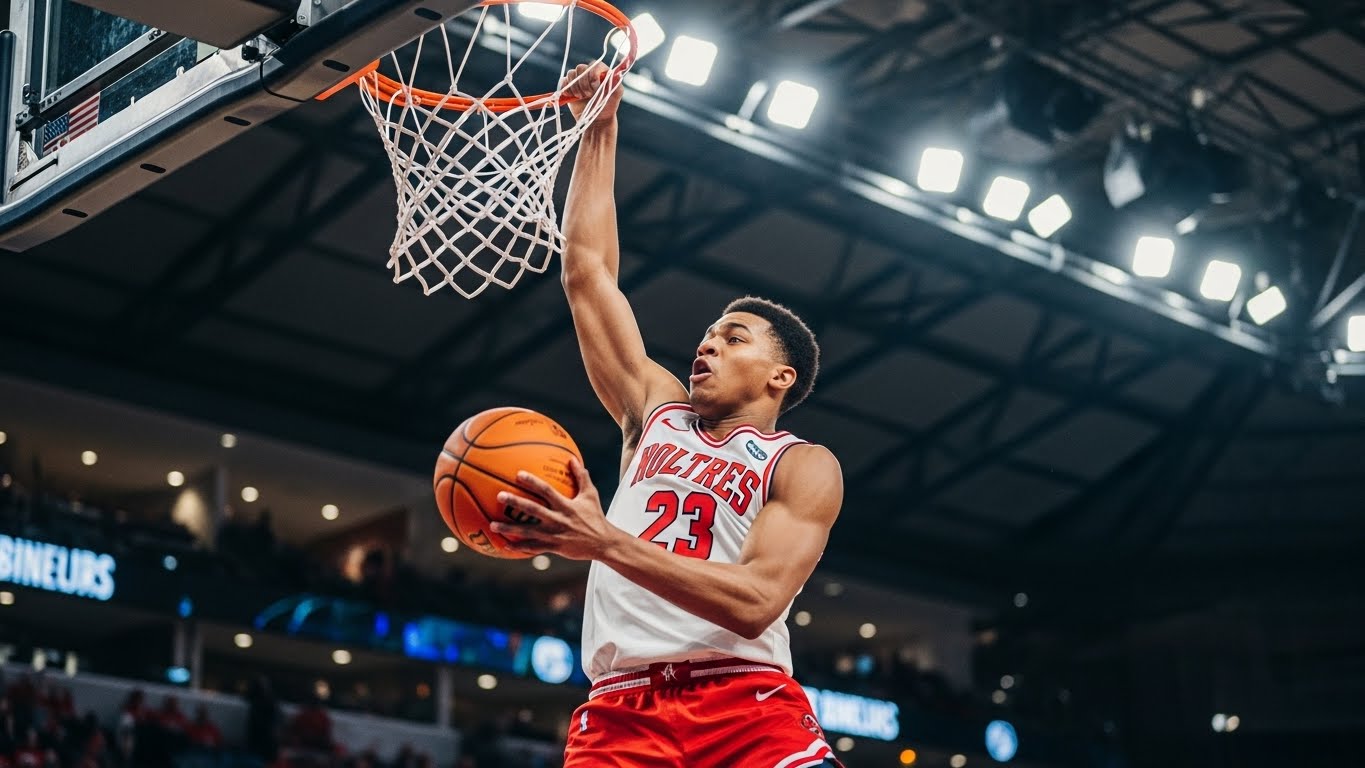
Team sports like football, basketball, and hockey offer more than just physical exercise. They teach communication, cooperation, and leadership. Players learn how to work toward common goals, resolve conflicts, and support one another. These social skills are transferable to everyday life, shaping individuals into responsible and empathetic members of society. The bonds formed through team sports often last a lifetime, illustrating the powerful role sports play in building relationships.
Individual Sports and Personal Growth
Individual sports such as tennis, swimming, or athletics emphasize self-reliance and personal responsibility. Athletes must push themselves to improve without relying on a team’s performance. This fosters self-discipline, motivation, and mental toughness. Success in individual sports requires consistent effort, focus, and the ability to learn from mistakes. Such experiences teach individuals the value of perseverance and personal accountability, skills essential for life beyond sports.
Sports as a Tool for Education
Sports and education are deeply intertwined. Schools and universities have long recognized the benefits of physical activity for learning and personal development. Sports programs enhance academic performance by improving concentration, time management, and cognitive skills. Additionally, sports scholarships offer opportunities for students who might otherwise face financial barriers to higher education. Through these programs, sports serve as a bridge between physical development and intellectual growth.
The Role of Sports in Society
Sports influence society in many ways. They provide entertainment, inspire communities, and promote national pride during international events. Iconic athletes often become role models, shaping cultural values and encouraging healthy lifestyles. Major sporting events bring people together, transcending social, economic, and cultural differences. Sports also play a role in promoting social change, raising awareness on issues such as equality, inclusion, and human rights through campaigns and athlete advocacy.
Economic Impact of Sports
The sports industry contributes significantly to the global economy. Professional leagues, sponsorships, merchandise sales, and media rights generate billions annually. Local communities benefit from infrastructure development, tourism, and job creation linked to sporting events. Moreover, sports stimulate ancillary industries such as fitness, apparel, and nutrition. This economic impact demonstrates that sports are not just recreational but also an important driver of financial growth.
Technology and Sports Innovation
Technology has revolutionized sports in recent decades. Advanced training methods, performance analytics, and wearable devices help athletes reach new levels of performance. Broadcasting and digital platforms allow fans worldwide to follow their favorite sports in real-time, enhancing engagement and accessibility. Innovations like video assistant referees, instant replay, and virtual reality training have changed how sports are played, viewed, and experienced, making the industry more dynamic than ever.
Inclusivity and Diversity in Sports
Sports have the power to break down barriers and promote inclusivity. Women’s participation in sports has grown dramatically, challenging stereotypes and paving the way for future generations. Adaptive sports programs provide opportunities for individuals with disabilities to compete and showcase their talents. Diversity initiatives in sports encourage representation across ethnicity, culture, and socioeconomic backgrounds, reinforcing the idea that sports are for everyone, regardless of identity or circumstance.
The Global Appeal of Sports
One of sports’ most remarkable features is its universal appeal. Soccer, cricket, basketball, and athletics draw audiences in virtually every corner of the world. International competitions unite fans across borders, creating shared experiences and collective excitement. This global reach fosters cultural exchange, mutual respect, and international friendships. Sports serve as a common language that transcends political, linguistic, and geographic boundaries, highlighting humanity’s shared love for competition and play.
Challenges Facing Modern Sports
Despite their many benefits, sports face challenges. Issues such as doping, corruption, and commercial exploitation threaten the integrity of competitions. The intense pressure on professional athletes can lead to burnout, mental health struggles, and career instability. Accessibility remains a concern in some regions, where infrastructure and resources for sports are limited. Addressing these challenges requires ethical governance, community support, and policies that prioritize fairness, safety, and inclusivity.
Sports and Youth Development
For young people, sports are a powerful tool for growth and learning. Participation helps children develop motor skills, discipline, and a sense of responsibility. It also encourages socialization, teamwork, and problem-solving abilities. Engaging in sports from an early age instills lifelong healthy habits and teaches important life lessons such as resilience, fairness, and perseverance. Sports programs targeted at youth can transform communities by providing safe, structured environments for learning and recreation.
The Future of Sports
The future of sports is poised to be exciting and transformative. Emerging technologies, changing fan preferences, and new forms of competition will continue to reshape the industry. Esports, hybrid formats, and global accessibility will expand the definition of sports beyond traditional boundaries. Sustainability initiatives will ensure that sporting events are environmentally responsible, while increased inclusivity will make sports even more representative of the global population. The next generation of athletes and fans will redefine sports in ways that reflect a rapidly changing world.
Conclusion: Sports as a Lifelong Journey
Sports are more than games; they are a reflection of human ambition, creativity, and resilience. They shape individuals physically, mentally, and socially while influencing societies economically, culturally, and politically. Whether played professionally or recreationally, sports teach lessons that extend far beyond the field, court, or track. They encourage discipline, foster community, and inspire individuals to push boundaries. As long as there is a human desire to challenge limits, celebrate achievements, and connect with others, sports will remain a central part of life, transcending generations and continuing to shape the world in profound ways.