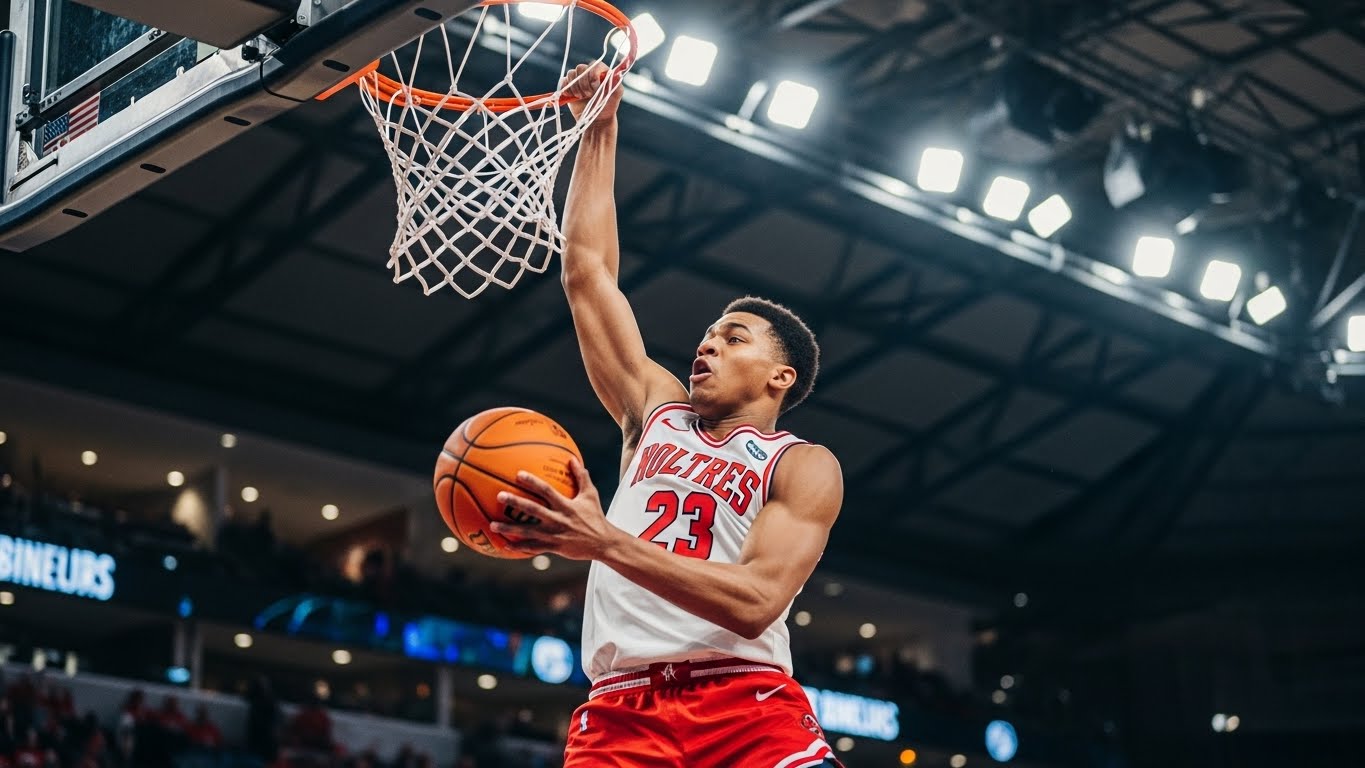
Sports have been an integral part of human civilization for thousands of years. From ancient Olympic games in Greece to modern-day global competitions, sports have transcended boundaries of culture, geography, and language. They are more than just physical activities; sports inspire passion, foster community, build character, and even influence economies. In today’s fast-paced world, the role of sports in society continues to expand, touching every aspect of life from health and education to entertainment and international relations.
The Historical Evolution of Sports
The history of sports stretches back to prehistoric times, where early humans engaged in physical activities for survival, competition, and ritualistic purposes. Ancient civilizations formalized athletic competitions, as seen in the Greek Olympics, Roman gladiatorial contests, and traditional games in Asia and Africa. These activities were not only a test of strength and skill but also a reflection of societal values and cultural pride.
With the industrial revolution and modern urbanization, organized sports began to take shape. Clubs, associations, and leagues emerged, formalizing rules and standards. The late 19th and early 20th centuries witnessed the birth of international competitions, including the revival of the Olympic Games, which showcased sports as a platform for unity, excellence, and global camaraderie.
Physical and Mental Health Benefits
One of the most significant contributions of sports is its impact on health. Engaging in regular physical activity strengthens the cardiovascular system, builds muscular strength, improves flexibility, and enhances overall fitness. Sports also promote weight management, reduce the risk of chronic diseases, and improve immune system function.
Beyond physical health, sports have profound effects on mental well-being. Participation fosters discipline, focus, and resilience. It can reduce stress, anxiety, and depression while boosting self-esteem and confidence. Team sports, in particular, encourage collaboration, communication, and leadership skills, which extend to personal and professional life.
Sports as a Cultural Phenomenon
Sports are deeply woven into the cultural fabric of societies worldwide. They reflect traditions, values, and social norms while serving as a source of national pride. Football in Brazil, cricket in India, sumo wrestling in Japan, and basketball in the United States are more than games—they are cultural institutions that shape identity and community.
Major international events, such as the FIFA World Cup, the Olympic Games, and the Super Bowl, unify millions of people globally. Fans from diverse backgrounds come together to celebrate athletic excellence, shared emotions, and competitive spirit. Sports also serve as a platform for cultural exchange, allowing nations to showcase talent, traditions, and hospitality.
The Role of Sports in Education
Sports play a crucial role in education by promoting holistic development. Schools and universities encourage students to participate in athletics to develop physical fitness, teamwork, and time management skills. Competitive school sports often instill discipline, goal-setting, and resilience, preparing students for future challenges.
Scholarship programs and collegiate athletics provide opportunities for talented individuals to pursue higher education while honing their sporting skills. Many professional athletes began their careers in school or college teams, highlighting the importance of educational institutions in nurturing talent and building careers in sports.
Professional Sports and Entertainment
Professional sports have become a major form of entertainment, attracting millions of spectators and fans. Leagues, tournaments, and championships provide a structured and thrilling experience for audiences. Iconic athletes like Michael Jordan, Serena Williams, Lionel Messi, and Usain Bolt have become global celebrities, inspiring millions while contributing to the popularity of their respective sports.
Media coverage, television broadcasts, and digital streaming have amplified the reach of professional sports. Fans can follow live events, analyze performances, and engage with athletes in real time. Sports journalism, commentary, and fan communities contribute to an immersive experience, turning sports into a global entertainment industry.
Economic Impact of Sports
The economic influence of sports is immense. Professional leagues, clubs, tournaments, and events generate billions in revenue through ticket sales, merchandise, sponsorships, broadcasting rights, and advertising. Sports also create employment opportunities for athletes, coaches, referees, administrators, marketers, and event organizers.
Sports infrastructure, such as stadiums, training centers, and sports complexes, drives construction and urban development. Major sporting events stimulate local economies by attracting tourism, hospitality, and retail activity. Additionally, sports-related technology, apparel, and equipment industries continue to thrive, reinforcing the economic ecosystem surrounding athletics.
Sports and Technology
Technology has transformed how sports are played, viewed, and analyzed. Performance analytics, wearable devices, and biomechanics tools help athletes optimize training, prevent injuries, and enhance skills. Instant replay systems and video assistant referees ensure fairness and accuracy in competitions, improving credibility and fan experience.
Digital platforms and social media have also revolutionized fan engagement. Audiences can interact with athletes, access exclusive content, and participate in virtual communities. Gaming and esports have blurred the lines between physical and digital sports, offering new avenues for entertainment and competition.
Social Impact of Sports
Sports have the power to drive social change. They promote inclusivity, teamwork, and cross-cultural understanding. Community sports programs provide youth with safe spaces, mentorship, and opportunities for personal growth. Sports initiatives also address social issues, such as gender equality, youth empowerment, and public health awareness.
Athletes often use their platform to advocate for social justice, environmental conservation, and humanitarian causes. Their influence extends beyond the field, inspiring positive change and fostering civic engagement. Sports, therefore, serve as both a mirror and a catalyst for societal progress.
Challenges in the Sports Industry
Despite its benefits and popularity, the sports industry faces several challenges. Doping, corruption, and match-fixing undermine the integrity of competitions. Ensuring fair play and enforcing ethical standards remain ongoing concerns for governing bodies and associations.
Accessibility is another challenge. Socioeconomic barriers can limit opportunities for participation, particularly in underprivileged communities. Addressing these inequalities requires investment in grassroots programs, infrastructure, and community outreach.
Injuries and mental health concerns are significant issues for athletes. The physical demands and psychological pressures of professional sports necessitate comprehensive wellness programs, including medical care, mental health support, and career transition planning.
Women in Sports
The rise of women in sports is reshaping the industry and promoting gender equality. Female athletes are breaking records, gaining recognition, and inspiring future generations. Increased media coverage, sponsorship, and professional leagues for women’s sports contribute to greater visibility and empowerment.
Despite progress, disparities in pay, sponsorship, and opportunities persist. Advocating for equality and inclusivity ensures that sports continue to reflect societal values and provide equitable opportunities for all participants.
The Globalization of Sports
Globalization has expanded the reach and influence of sports worldwide. International tournaments, cross-border leagues, and global broadcasting connect audiences across continents. Fans can follow teams and athletes regardless of geography, creating a shared global culture around sports.
Sports diplomacy also plays a role in international relations. Collaborative events, cultural exchanges, and sports-based initiatives foster goodwill, dialogue, and cooperation among nations. Sports, therefore, serve as both entertainment and a tool for global unity.
The Future of Sports
The future of sports promises innovation, inclusivity, and continued cultural significance. Emerging technologies, including virtual reality, augmented reality, and artificial intelligence, will enhance training, performance, and fan engagement. Data-driven insights will help athletes optimize performance while ensuring safety and longevity.
Grassroots development and community programs will continue to expand access to sports, promoting health, education, and social inclusion. Women’s sports, adaptive sports, and esports will gain further recognition, contributing to a diverse and dynamic global sports ecosystem.
Sustainability will also become central to the sports industry. Environmentally responsible infrastructure, event management, and operations will ensure that sports contribute positively to society without compromising ecological well-being.
Conclusion
Sports are far more than games; they are a reflection of human ambition, creativity, and resilience. They foster physical health, mental well-being, and social cohesion while driving economic growth and cultural influence. From grassroots programs to professional leagues, sports shape individual lives and global communities alike.
Technological advancements, globalization, and evolving societal values are transforming the sports landscape, making it more accessible, inclusive, and engaging than ever before. Challenges such as ethics, equity, and sustainability remain, but the industry’s potential for positive impact is immense.
Ultimately, sports are a testament to the human spirit—a celebration of competition, excellence, and unity. They inspire, entertain, and connect people across borders, proving that the power of sports extends far beyond the field, the court, or the stadium.