
Introduction: Sports as a Global Language
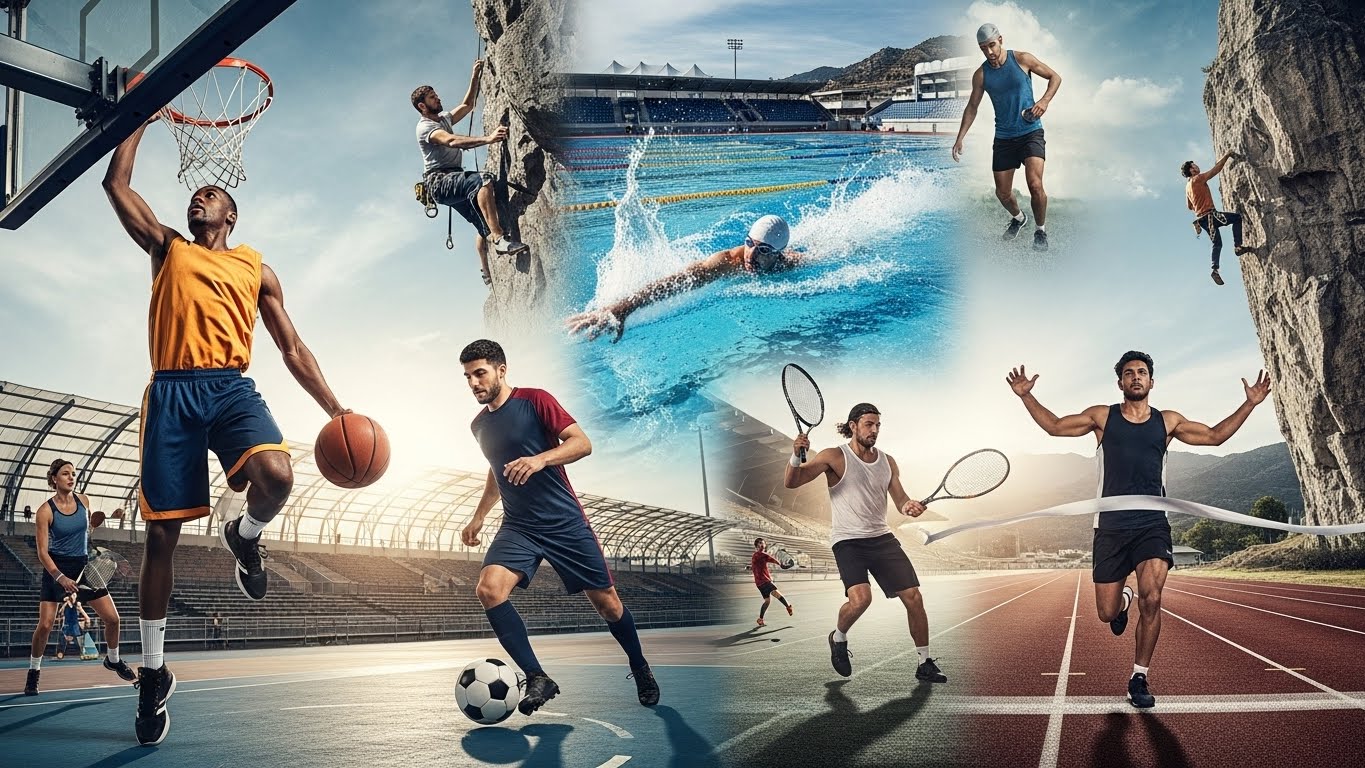
Sports have an undeniable power to bring people together, regardless of geography, language, or culture. From a friendly neighborhood match to the grandeur of the FIFA World Cup or the Olympic Games, sports create shared experiences that can bridge divides, build communities, and inspire personal growth. Their influence extends far beyond the field, court, or track, impacting various facets of life, from social cohesion to economic development and even politics. This blog delves into how sports shape the world around us, exploring their cultural, social, and economic significance in ways that go beyond the games themselves.
The Historical Significance of Sports: A Legacy of Competition and Unity
The origins of sports can be traced back to ancient civilizations, where athletic events were central to cultural and religious practices. The ancient Greeks, for example, established the Olympic Games in 776 BCE, which became one of the most prestigious athletic festivals in history. These games were not just about competition; they were a celebration of human achievement, a tribute to the gods, and an opportunity for city-states to unite in a peaceful rivalry.
Similarly, in ancient Rome, gladiatorial games and chariot races held significant cultural value, serving as both entertainment and a demonstration of strength and valor. As societies evolved, so did the nature of sports, with competitions growing in complexity and reach. The modern sports landscape, as we know it today, is deeply rooted in this rich history, which continues to influence contemporary athletic events and cultural practices worldwide.
The Social Impact of Sports: Uniting People Across Boundaries
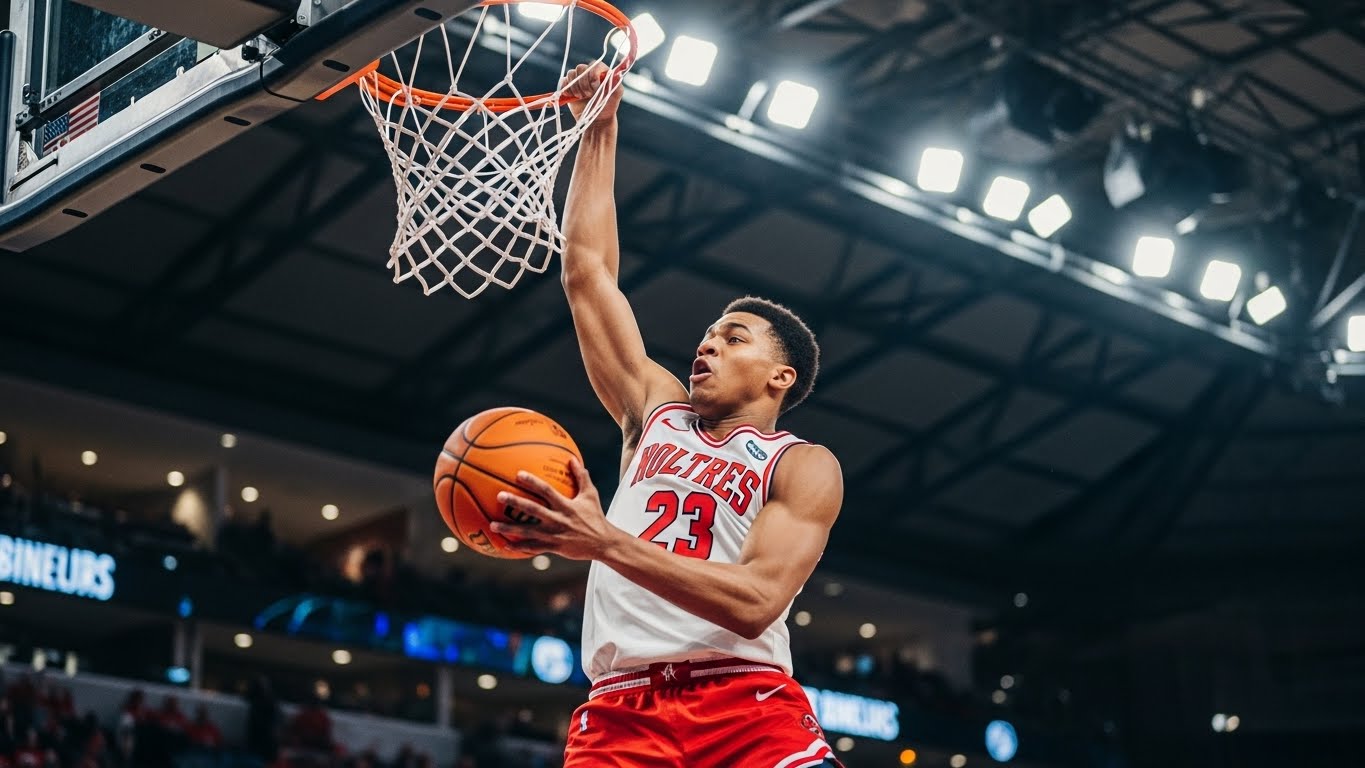
Sports have an extraordinary ability to break down barriers and unite people from different walks of life. Regardless of background, race, or nationality, sports offer a universal language that fosters social connections. For example, a local soccer match or a basketball game provides a sense of community, where individuals with diverse experiences can come together to share in the joy of the sport.
At the global level, major international sporting events like the Olympic Games and the World Cup serve as unifying moments, where nations put aside political differences to celebrate athleticism. These events create a sense of pride and solidarity, where people rally behind their national teams, forming bonds that transcend borders. The recent Tokyo Olympics and the 2022 World Cup are prime examples of how sports can unite billions of people around the world, fostering mutual respect and camaraderie among diverse cultures.
Beyond the realm of competition, sports can also act as a vehicle for social change. Historically, athletes have used their platforms to advocate for important causes. Iconic moments such as Muhammad Ali standing up against the Vietnam War or Jackie Robinson breaking racial barriers in baseball exemplify the potential of sports to influence social movements and inspire action on issues of equality, justice, and human rights. In recent years, athletes like Colin Kaepernick and Megan Rapinoe have continued this tradition, using their visibility to spark conversations about racial inequality and gender rights.
Personal Growth Through Sports: Building Character and Life Skills
While the social and cultural impact of sports is significant, the personal benefits of engaging in sports are equally transformative. Sports teach valuable life skills that extend far beyond the game, including teamwork, discipline, perseverance, and leadership. Whether playing in a team or competing individually, athletes develop traits that are essential to success in all areas of life.
One of the most important lessons that sports impart is the value of hard work. Athletes are constantly pushing their limits, training tirelessly to improve their performance. This dedication to self-improvement teaches a crucial lesson about resilience — the ability to overcome obstacles, learn from failure, and keep striving for better results. The journey to success in sports is rarely linear, and setbacks are inevitable. However, athletes who persist in the face of adversity often emerge stronger, both mentally and physically, which is an invaluable lesson that can be applied in other areas of life.
For team sports, the experience of working together toward a common goal is another key takeaway. Team sports require individuals to communicate, collaborate, and trust one another to succeed. Whether it’s coordinating a play on the football field or supporting a teammate during a basketball game, athletes learn the importance of working as a unit to achieve success. These lessons translate into the workplace and beyond, where teamwork is often critical to achieving collective goals.
Sports also promote mental and physical health. Engaging in regular physical activity helps to reduce stress, enhance mood, and improve overall fitness. Beyond the physical benefits, sports have been shown to have a positive impact on mental well-being. For many, sports provide an escape from the stresses of daily life, offering a healthy outlet for emotions and a sense of achievement. For children and young adults, participation in sports can foster confidence, self-esteem, and a sense of belonging, which can be pivotal in their personal development.
The Economic Impact of Sports: A Multi-Billion Dollar Industry
The economic significance of sports is immense, contributing billions of dollars annually to the global economy. Sports are not only an avenue for entertainment but also a massive driver of employment, tourism, and business activity. The global sports industry is estimated to be worth over $500 billion, encompassing everything from professional leagues and team franchises to sporting goods and media rights.
Professional sports leagues, such as the NFL, NBA, Premier League, and La Liga, are multi-billion-dollar enterprises that generate substantial revenue through ticket sales, broadcasting rights, sponsorships, and merchandise. For instance, the English Premier League generates billions in television broadcasting rights, which are then reinvested into the teams, clubs, and local economies. In turn, these leagues support a vast network of jobs, including coaches, players, medical staff, broadcasters, and event organizers.
The tourism industry also benefits significantly from sporting events. The FIFA World Cup and the Olympics attract millions of visitors from around the world, stimulating the local economy through tourism-related activities such as hotel bookings, transportation, dining, and shopping. For host cities, the economic windfall can be substantial, with long-term infrastructure development and increased international exposure often resulting from hosting large-scale events.
In addition to major tournaments, sports also fuel industries like sports apparel, fitness equipment, and sports betting, which have grown exponentially in recent years. Brands like Nike, Adidas, and Under Armour generate billions of dollars through sponsorships, endorsements, and the sale of sports merchandise. The increasing popularity of fitness and wellness culture has also spurred a boom in the global health and fitness market, creating countless business opportunities.
The Political Influence of Sports: A Platform for Change
Sports have not only influenced culture and economics but have also played a pivotal role in politics. Throughout history, athletic events have been used as platforms for political statements, protests, and diplomacy. In some cases, sports have been used to challenge oppressive regimes, while in others, they have been used as a tool to ease political tensions between nations.
One of the most notable examples of sports intersecting with politics is the Cold War rivalry between the United States and the Soviet Union. The Olympics and other international competitions during this period were often viewed as arenas for demonstrating political and ideological superiority. Athletes from both sides of the Iron Curtain became symbols of national pride and political power.
Another powerful moment came in 1980 when the U.S. boycotted the Moscow Olympics to protest the Soviet Union’s invasion of Afghanistan. Similarly, the 1968 Olympics in Mexico City witnessed the iconic protest by Tommie Smith and John Carlos, who raised their fists in the Black Power salute on the podium, using their platform to protest racial inequality and civil rights abuses in the United States.
In recent years, sports continue to be a stage for political activism. The National Football League (NFL) saw its share of political controversy with Colin Kaepernick’s protest against racial injustice by kneeling during the national anthem. His protest sparked a national conversation about race, police brutality, and the role of athletes in social movements. Similarly, athletes like LeBron James and Naomi Osaka have used their platforms to advocate for social justice causes, raising awareness about issues such as racial inequality, police violence, and voter rights.
The Future of Sports: Innovation and Evolution
As technology continues to advance, the future of sports is poised for exciting developments. Virtual Reality (VR) and Augmented Reality (AR) are already beginning to reshape the way fans experience sports, offering immersive viewing experiences that bring spectators closer to the action. VR technology, for instance, allows fans to watch games from different perspectives, whether from the sidelines or courtside, enhancing the overall experience.
Sports technology is also revolutionizing the way athletes train and perform. Wearable devices and data analytics are providing athletes with real-time insights into their physical performance, enabling them to optimize their training, improve recovery, and prevent injuries. Innovations in sports medicine are helping athletes recover faster and stay healthier, pushing the boundaries of what is physically possible.
Moreover, as new sports like esports gain popularity, the landscape of competition continues to evolve. Esports has become a multi-billion-dollar industry with a massive global following. Competitive video gaming is not only attracting sponsorships and media coverage but also entering the mainstream, with tournaments held in major arenas and millions of viewers tuning in online.
Conclusion: Sports as a Catalyst for Positive Change
Sports are much more than entertainment; they are a force for unity, progress, and change. From their ancient roots to their modern-day impact, sports have the power to transcend barriers, create economic opportunities, and inspire individuals to reach their fullest potential. Whether it’s on the playing field, in the boardroom, or