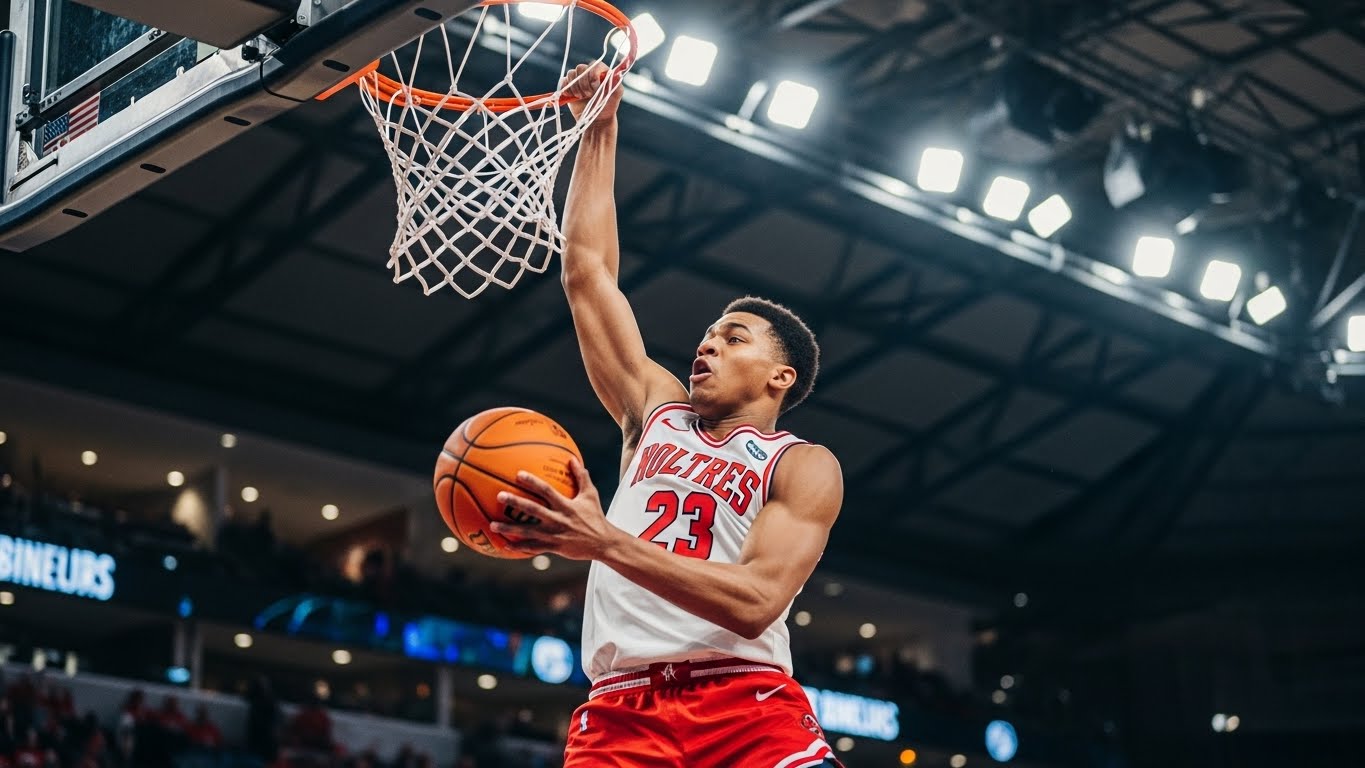

Sports have long been a cornerstone of human culture, captivating audiences worldwide with thrilling moments of athleticism, teamwork, and passion. But as we move further into the 21st century, the world of sports is experiencing a radical transformation. From technological advancements to a new focus on inclusivity and sustainability, sports are evolving in ways that could redefine the game for both athletes and fans alike. In this blog post, we’ll explore the key trends reshaping the sports world and what the future holds.
The Rise of Technology in Sports
Technology is arguably one of the most transformative forces in sports today. What once relied solely on human skill, endurance, and tactics is now heavily augmented by technology. Advances in equipment, analytics, and fan experiences are changing the way we approach sports, both on and off the field.
Performance Enhancement
Athletes are now equipped with wearable devices that track everything from heart rate to muscle activity and movement patterns. These devices collect vast amounts of data, which coaches and trainers use to optimize performance, reduce injury risk, and improve overall fitness. Technologies like motion sensors and GPS trackers allow athletes to refine their technique and track their progress over time. In fact, some sports, like cycling and athletics, have seen athletes achieve personal bests due to the precision of modern gear and training systems.
Fan Engagement and Experience
Beyond performance, technology is also revolutionizing how fans engage with sports. Virtual reality (VR) and augmented reality (AR) are enhancing the viewing experience, bringing fans closer to the action. With VR, viewers can experience games from different angles, giving them the feeling of being in the stadium without ever leaving their living room. AR allows for interactive experiences, where fans can access real-time statistics, player information, or instant replays by simply scanning the field or their favorite player.
The Growing Influence of Data Analytics
In recent years, data analytics has emerged as a game-changer in the world of sports. From individual athletes to entire teams, data is being used to make smarter decisions and gain a competitive edge. Analytics are now deeply embedded in strategy development, scouting, and performance tracking across all major sports.
In-Game Strategy and Decision Making
Coaches and analysts use sophisticated algorithms and software to dissect games and improve decision-making. For instance, in basketball, advanced statistics help determine the best shot placements or evaluate defensive strategies. In soccer, data is used to measure player movements and team dynamics, allowing managers to adjust their tactics in real-time. The use of analytics also helps teams decide on optimal player rotations, substitutions, and training regimens.
Talent Identification and Scouting
Scouting used to be based on raw intuition, experience, and basic metrics. Now, teams rely heavily on data to identify potential talent. In baseball, the use of sabermetrics has become a fundamental part of scouting, evaluating players based on complex statistical analysis rather than just traditional performance metrics like batting averages. This data-driven approach is beginning to spill over into other sports, reshaping how teams recruit and build their rosters.
Inclusivity and Diversity in Sports
One of the most significant shifts in the sports world in recent years has been the push for greater inclusivity and diversity. Historically, many sports were limited to specific genders, races, or economic classes, but today, there is a broader movement to break down these barriers and provide equal opportunities for all.
Gender Equality
Women’s sports have been gaining considerable attention in recent years, with more media coverage, higher pay, and greater investment in female athletes. The success of events like the Women’s World Cup in soccer and the WNBA in basketball has shown that there is a massive, untapped audience for women’s sports. As more female athletes break records and become household names, the cultural and financial recognition of women’s sports is only set to grow.
Sports for All
Inclusivity in sports doesn’t stop at gender. There has been a significant increase in efforts to ensure that sports are accessible to people of all abilities, backgrounds, and cultures. Para-sports, for instance, continue to gain popularity and recognition worldwide. The Paralympic Games have become an event of equal stature to the regular Olympic Games, showcasing the talents of athletes with disabilities.
The Environmental Impact of Sports: Toward Sustainability
As the global sports industry continues to grow, there is an increasing focus on sustainability and reducing the environmental footprint of large-scale events and stadiums. From carbon emissions to waste management, sports are coming under scrutiny for their impact on the environment.
Eco-Friendly Stadiums and Venues
Many sports organizations are beginning to adopt green practices to make their venues more sustainable. For example, stadiums are now being built with energy-efficient lighting, solar panels, and water conservation systems. Additionally, more events are going paperless, with digital tickets and mobile apps replacing traditional printed materials. The trend is moving toward creating stadiums that are not just places to watch sports, but examples of how large public spaces can minimize their environmental impact.
Carbon Offsetting and Sustainable Travel
The global nature of many sports—particularly international tournaments—means that travel plays a significant role in their carbon footprint. To counter this, many sports organizations are looking into ways to offset their carbon emissions by investing in renewable energy projects or replanting forests. The hope is that by prioritizing sustainability, sports can lead by example and inspire fans and other industries to reduce their own environmental impact.
The Future of Sports: What’s on the Horizon?
As technology continues to evolve, so too will the landscape of sports. Innovations in artificial intelligence (AI), machine learning, and even robotics could one day play a role in how sports are played and viewed. AI-powered robots might even become part of the sports training process, simulating opponents or offering real-time feedback to athletes.
Fan-Centric Changes
In the near future, sports fans might enjoy an even more personalized experience, with AI curating content based on their preferences. Imagine an app that not only allows you to watch games but also provides real-time commentary tailored to your favorite players or teams. As the internet of things (IoT) continues to grow, fans could soon be able to interact with stadiums and athletes in completely new ways.
Virtual Sports and Esports
The rise of esports has already disrupted traditional sports in many ways, creating a new arena for competitive play that is digital by nature. Virtual sports, where people participate in simulated versions of traditional games, are gaining popularity, too. These digital formats are growing so quickly that they could eventually become as mainstream as physical sports.
Conclusion: Embracing Change and Looking to the Future
The world of sports is in the midst of a transformation. Technology, data, inclusivity, and sustainability are reshaping how sports are played, followed, and experienced. As fans, we are witnessing an era where innovation drives not just performance but also connection—connecting athletes to each other and to their audience in ways that were once impossible. With continued advancements on the horizon, the future of sports is brighter, more inclusive, and more exciting than ever. The game is changing, and we’re all a part of it.