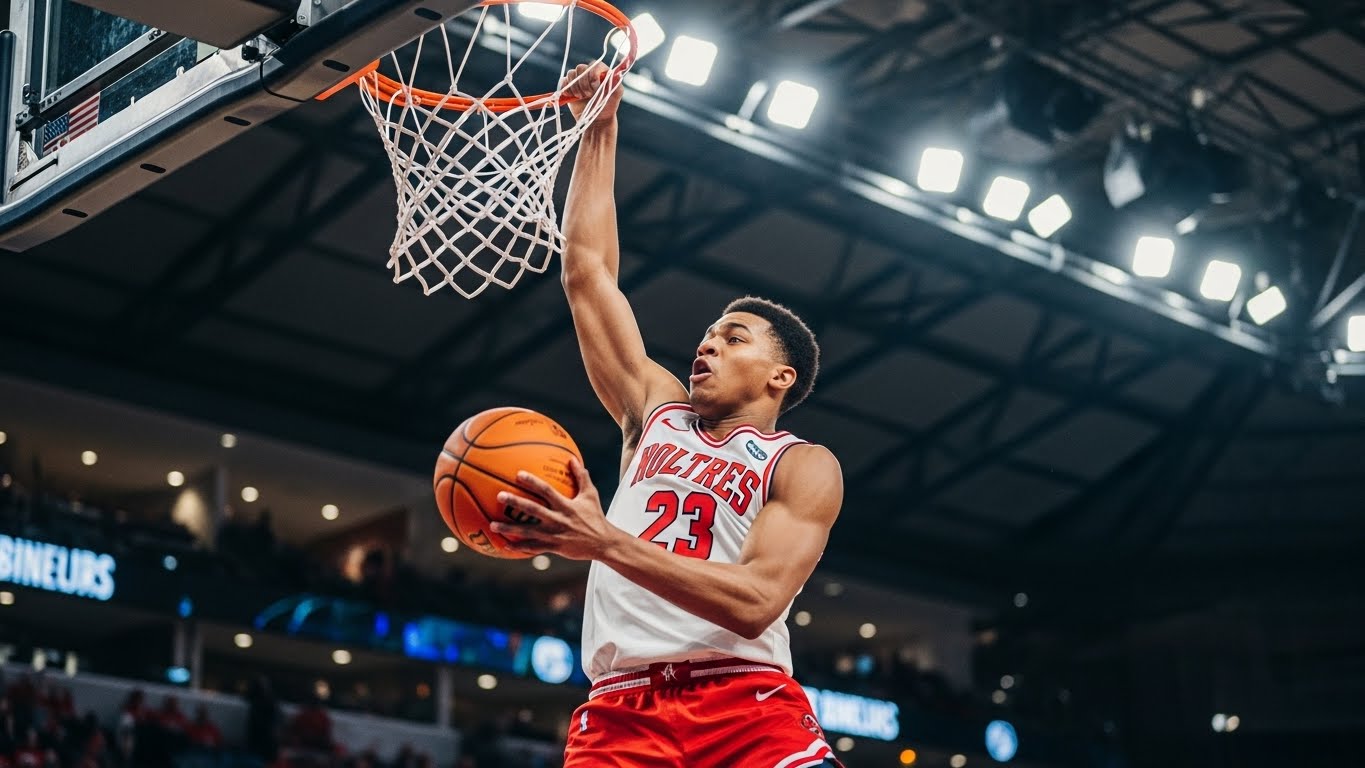

Sports have always been a major part of human culture, from ancient gladiatorial contests to today’s global competitions. Whether it’s football, basketball, or tennis, sports have a way of bringing people together, inspiring us, and teaching us valuable life lessons. But beyond the games we watch and play, there’s an invisible force that shapes not only our physical health but also our mental and emotional well-being. Let’s dive deeper into the unseen power of sports and explore how they impact our lives in ways that go far beyond the scoreboard.
The Health Benefits: Strengthening Body and Mind
At the core of sports lies its physical benefits. From the moment we engage in any kind of physical activity, our body starts to reap the rewards. Regular participation in sports helps improve cardiovascular health, boost immunity, and maintain a healthy weight. However, the benefits extend far beyond physical fitness.
Exercise, especially in a sports context, has been shown to enhance brain function. Activities like running, swimming, and team sports trigger the release of endorphins, the body’s natural mood enhancers. This biochemical response not only boosts our mood but also improves concentration, reduces stress, and even combats depression. Sports also improve sleep quality, making them an essential component of overall well-being.
Sports as a Teacher: Lessons Beyond the Field
One of the most profound aspects of sports is the lessons they impart. Life is a series of challenges, and the ability to overcome obstacles is a skill that can be developed in the heat of a game. Whether you’re on the court, pitch, or field, sports teach perseverance, teamwork, leadership, and discipline.
Team sports, in particular, instill a sense of collaboration and mutual responsibility. Players must work together, communicate effectively, and support one another. This is a powerful lesson that translates directly to real-world scenarios, where collaboration is key to success. On the other hand, individual sports such as tennis or track and field build self-reliance and mental fortitude, as athletes push themselves to their limits.
In addition, sports teach how to handle both success and failure. The thrill of victory is sweet, but the sting of defeat can be a greater teacher. Athletes learn to get back up, reflect on their performance, and improve. This ability to bounce back after a setback is essential in life, whether you’re striving for career success, personal goals, or navigating life’s inevitable challenges.
Social Connections: Building Community Through Sports
One of the most powerful aspects of sports is their ability to unite people from all walks of life. When people come together for a common cause—whether it’s to play, watch, or support a team—barriers such as race, religion, and socioeconomic status often fade away. Sports foster a sense of community, where individuals share common goals and experiences, regardless of their background.
In many cultures, sports serve as a social glue. From local community leagues to national championships, sports events bring people together in a way that few other activities can. The joy of celebrating a victory with friends, or the solidarity of standing with others after a loss, strengthens our social bonds and reminds us of our shared humanity. It’s in these moments that we realize that sports are about more than just winning—they’re about belonging.
Sports as a Mental Escape: Finding Clarity and Focus
The fast pace of modern life, coupled with the pressures of daily responsibilities, can sometimes feel overwhelming. Many people turn to sports as a form of escape, offering a brief respite from the noise of life. Whether it’s playing a round of golf, hitting the gym, or participating in a weekend soccer match, sports give us a chance to focus solely on the present moment.
In sports, the mind is forced to be fully engaged. Athletes must concentrate on strategy, technique, and performance, which in turn helps them block out distractions and reduce stress. This mental clarity can be therapeutic, providing a sense of balance in an otherwise chaotic world.
For some, sports become a way to channel emotions, turning frustration, anxiety, or stress into positive energy. The physical exertion required in sports allows for the release of built-up tension, while also promoting mental focus, calm, and relaxation. It’s no wonder that many people turn to their favorite sports to clear their minds and regain perspective.
The Global Impact of Sports: More Than Just Entertainment
While sports have an undeniable impact on individuals, their influence extends far beyond the local level. On a global scale, sports events like the Olympic Games, World Cup, and the Super Bowl bring people together in celebration, transcending borders, cultures, and languages. They have the power to spark national pride and create lasting memories, connecting people from diverse backgrounds through the universal language of sports.
Moreover, sports can act as a catalyst for social change. Throughout history, athletes have used their platforms to address societal issues, raise awareness, and promote justice. The impact of sports as a vehicle for change can be seen in movements such as the fight for racial equality, LGBTQ+ rights, and gender equality in sports.
Sports can also drive economic development. The sports industry creates millions of jobs worldwide, ranging from athletes and coaches to media professionals and event organizers. Major sports events bring tourism, boost local economies, and highlight cities on the global stage. Whether it’s hosting the Olympics or a national championship, sports create opportunities for growth, development, and community engagement.
Conclusion: The Enduring Legacy of Sports
Sports are far more than just games—they are a reflection of our humanity. They teach us important lessons, foster social connections, and provide a mental and physical outlet for stress. Whether it’s the joy of playing, the excitement of watching, or the camaraderie of cheering for a team, sports offer something unique to every individual. As long as people continue to play, watch, and celebrate, sports will remain an enduring force that shapes our culture, communities, and lives.
In the end, sports remind us of the power of human connection, the strength of the body and mind, and the unspoken bond that exists between individuals from all walks of life. So, the next time you lace up your sneakers or settle down to watch a game, remember that sports are more than just entertainment—they are a celebration of life itself.