Introduction
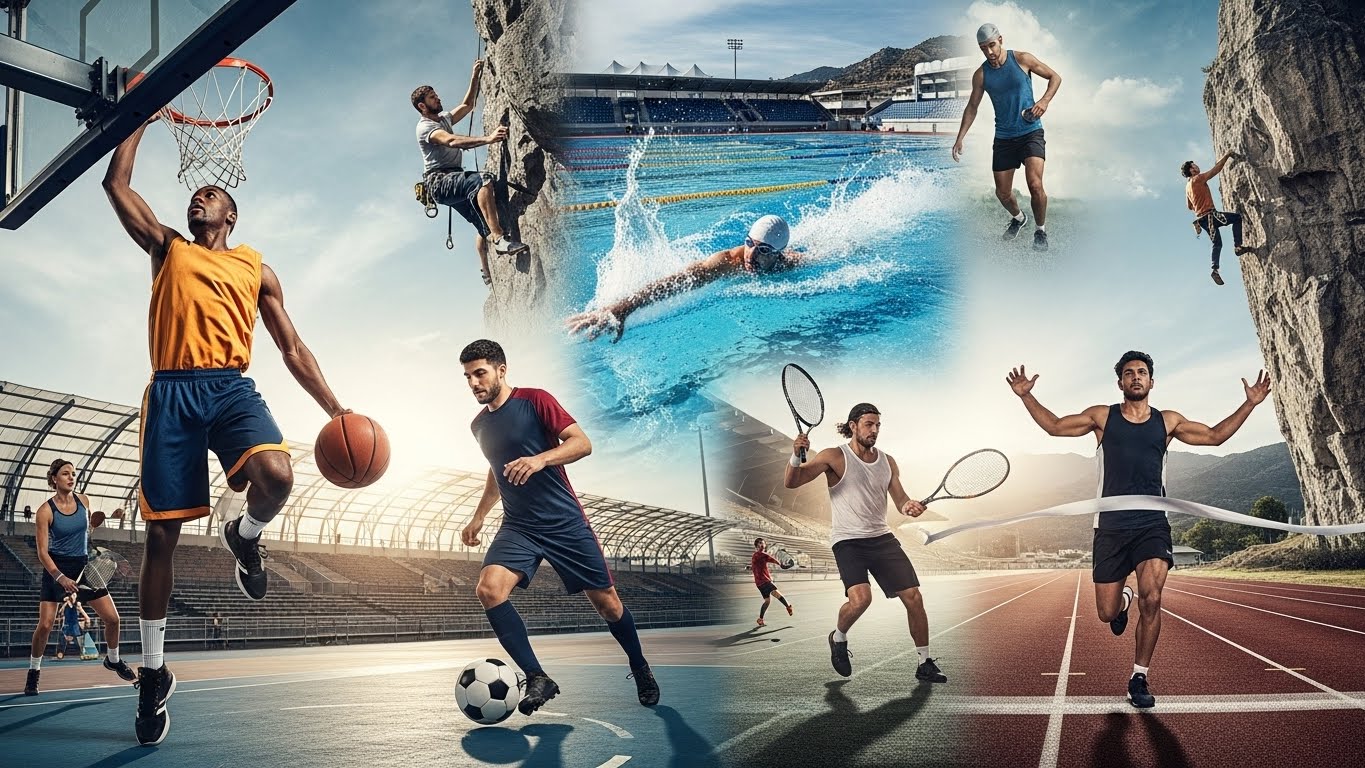
Sports are more than just games played on fields, courts, or tracks—they are a universal language that transcends borders, cultures, and generations. From children playing in neighborhood parks to professional athletes competing in global tournaments, sports inspire dedication, teamwork, and resilience. They influence health, social interaction, and even the economy, becoming a fundamental part of human society. Understanding the role of sports in personal and societal development highlights why they are more than just entertainment—they are a powerful force for growth and connection.
The History and Evolution of Sports
The origins of sports trace back to ancient civilizations, where physical contests were used for training, recreation, and ceremonial purposes. Ancient Greece introduced organized competitions through the Olympic Games, emphasizing physical excellence, strategy, and honor. Over centuries, sports evolved with organized leagues, standardized rules, and international competitions. Today, technology and globalization have transformed sports into a global phenomenon, allowing fans to watch live matches, follow athletes, and participate in sports communities around the world. The evolution of sports reflects the human desire to compete, excel, and connect.
Physical Benefits of Sports
Engaging in sports offers immense physical benefits. Regular participation improves cardiovascular health, strengthens muscles, enhances flexibility, and boosts overall endurance. Sports help maintain a healthy weight and reduce the risk of chronic illnesses such as diabetes, hypertension, and obesity. Activities such as running, swimming, cycling, and team sports also improve coordination, balance, and reflexes. Beyond fitness, sports encourage active lifestyles, making physical activity an enjoyable and consistent part of life rather than a chore.
Mental and Emotional Benefits
Sports are equally beneficial for mental and emotional well-being. Physical activity releases endorphins, which act as natural stress relievers and mood enhancers. Participation in sports helps develop focus, discipline, and perseverance, building resilience to overcome challenges both on and off the field. Team sports foster communication skills and empathy, while individual sports promote self-motivation and self-awareness. Athletes often learn to manage pressure, set goals, and maintain mental toughness, skills that are transferable to academic, professional, and personal life.
Sports and Personal Development
Sports play a vital role in shaping character and life skills. Players learn the importance of discipline, time management, and goal-setting. Team sports teach collaboration, leadership, and conflict resolution, while competitive environments encourage strategic thinking and adaptability. By facing victories and setbacks, athletes develop resilience and self-confidence. Participation in sports provides lessons in accountability, effort, and ethical behavior, contributing to well-rounded personal development that extends far beyond the game itself.
Building Communities Through Sports
Sports have a unique ability to bring people together and foster a sense of community. Local leagues, school competitions, and recreational events encourage social interaction, inclusivity, and cultural exchange. Fans rally behind local teams, creating shared identity and pride, while community programs use sports as a platform to promote education, health, and social awareness. Sporting events unite people of diverse backgrounds, breaking down social barriers and encouraging participation, cooperation, and mutual respect.
Economic Impact of Sports
Sports significantly influence global and local economies. Professional leagues, tournaments, and international events generate revenue through ticket sales, sponsorships, merchandise, and broadcasting rights. Major events like the Olympics and World Cup boost tourism and infrastructure development in host cities. The sports industry provides employment opportunities for athletes, coaches, administrators, media personnel, and support staff. Additionally, sports drive related industries such as fitness, apparel, technology, and nutrition, creating a multi-faceted economic ecosystem.
Technology and Innovation in Sports
Technology has revolutionized the way sports are played, analyzed, and consumed. Wearable devices track performance metrics such as heart rate, speed, and movement patterns, helping athletes optimize training and prevent injuries. Video analysis tools allow coaches to study tactics and refine techniques. Broadcasting innovations, including live streaming and augmented reality, have transformed fan engagement, allowing viewers to experience events from multiple angles in real time. Equipment advancements and safety technology ensure enhanced performance and protection, highlighting the critical role of innovation in modern sports.
Global Culture and Sports Diplomacy
Sports are a powerful tool for cultural exchange and diplomacy. International events bring together athletes and fans from diverse nations, fostering mutual understanding and respect. Iconic athletes often become cultural ambassadors, inspiring millions and influencing societal change. Sports have historically served as a platform for advocating equality, promoting social justice, and challenging stereotypes. Through shared passion and collective experience, sports unite people across languages, religions, and borders, demonstrating their unique capacity to shape global culture.
Challenges in Modern Sports
Despite its many benefits, sports face challenges that require attention. Doping, corruption, and match-fixing threaten the integrity of competitions. Athlete burnout, mental health concerns, and injuries highlight the need for better support systems. Gender inequality, lack of accessibility, and socioeconomic barriers prevent many individuals from participating fully in sports. Addressing these challenges is essential for maintaining fairness, inclusivity, and the positive impact of sports on society. Policies, education, and technological solutions are being implemented to ensure sports remain ethical, safe, and equitable.
Youth Development and Sports
Sports are vital in nurturing young talent and shaping the next generation. Participation in organized sports enhances physical fitness, social skills, and emotional intelligence. Children and adolescents learn discipline, sportsmanship, and teamwork while building confidence and resilience. Schools and community programs that encourage youth engagement in sports help establish lifelong habits of health and active living. Structured sports activities also provide a positive outlet for energy and creativity, reducing the likelihood of involvement in negative behaviors.
Women in Sports: Breaking Barriers
The role of women in sports has evolved significantly, challenging traditional stereotypes and promoting equality. Female athletes are gaining recognition, inspiring younger generations, and advocating for equal opportunities and compensation. Increased investment, media coverage, and policy support have expanded participation in women’s sports globally. As societal attitudes continue to progress, women are increasingly achieving excellence in competitive arenas, demonstrating that talent, determination, and dedication are not defined by gender.
The Future of Sports
The future of sports will be shaped by technology, sustainability, and inclusivity. Advancements in analytics, virtual reality, and artificial intelligence will enhance athlete performance, fan engagement, and strategic planning. Sustainable practices in stadium construction, event management, and team operations will reduce environmental impact. Increased focus on grassroots programs, accessibility, and gender equality will ensure that sports remain inclusive and inspiring. The integration of technology and social responsibility promises a future where sports continue to unite, challenge, and inspire people worldwide.
Conclusion
Sports are far more than competition—they are a reflection of human ambition, resilience, and creativity. They shape character, foster community, drive economies, and influence culture on a global scale. From grassroots initiatives to professional leagues, sports teach valuable life skills, encourage healthy lifestyles, and create opportunities for connection and growth. By embracing innovation, inclusivity, and ethical practices, sports will continue to play a transformative role in society, inspiring generations to dream, compete, and collaborate both on and off the field.