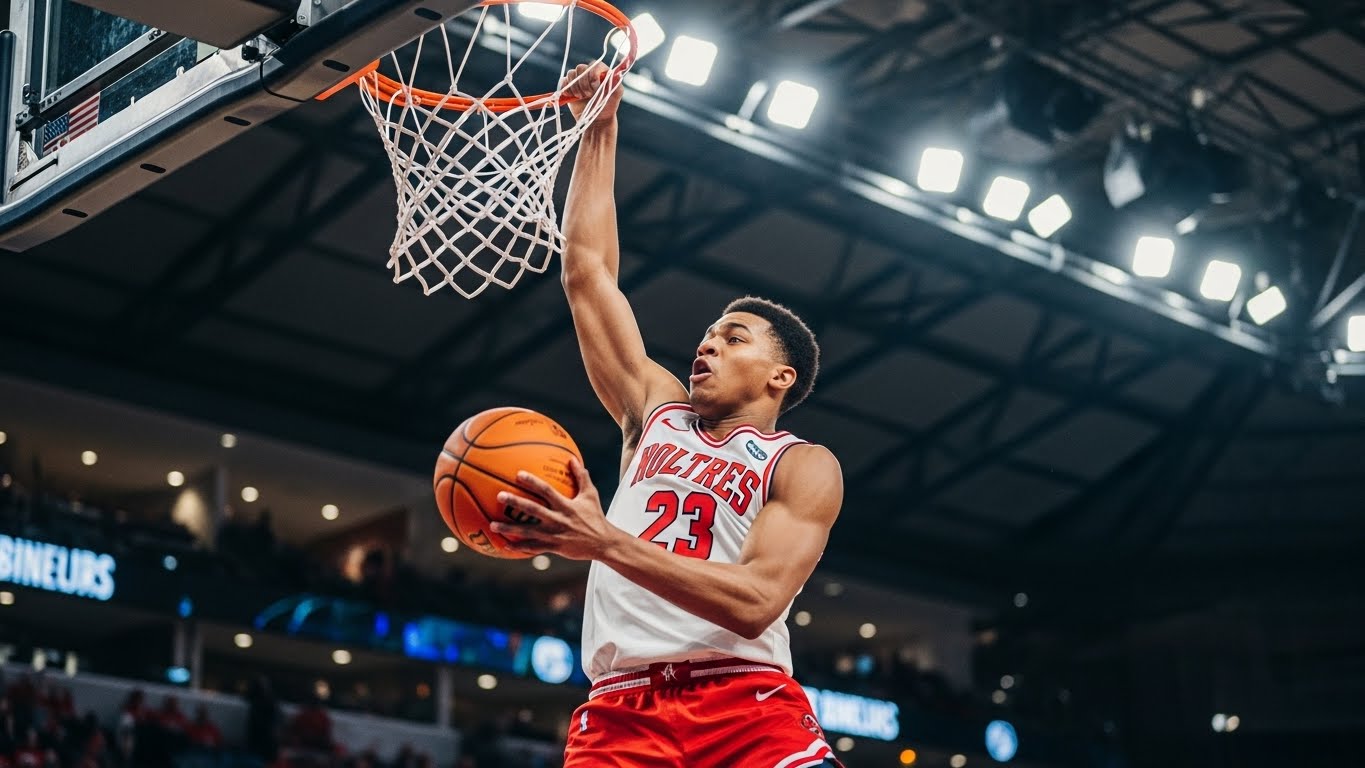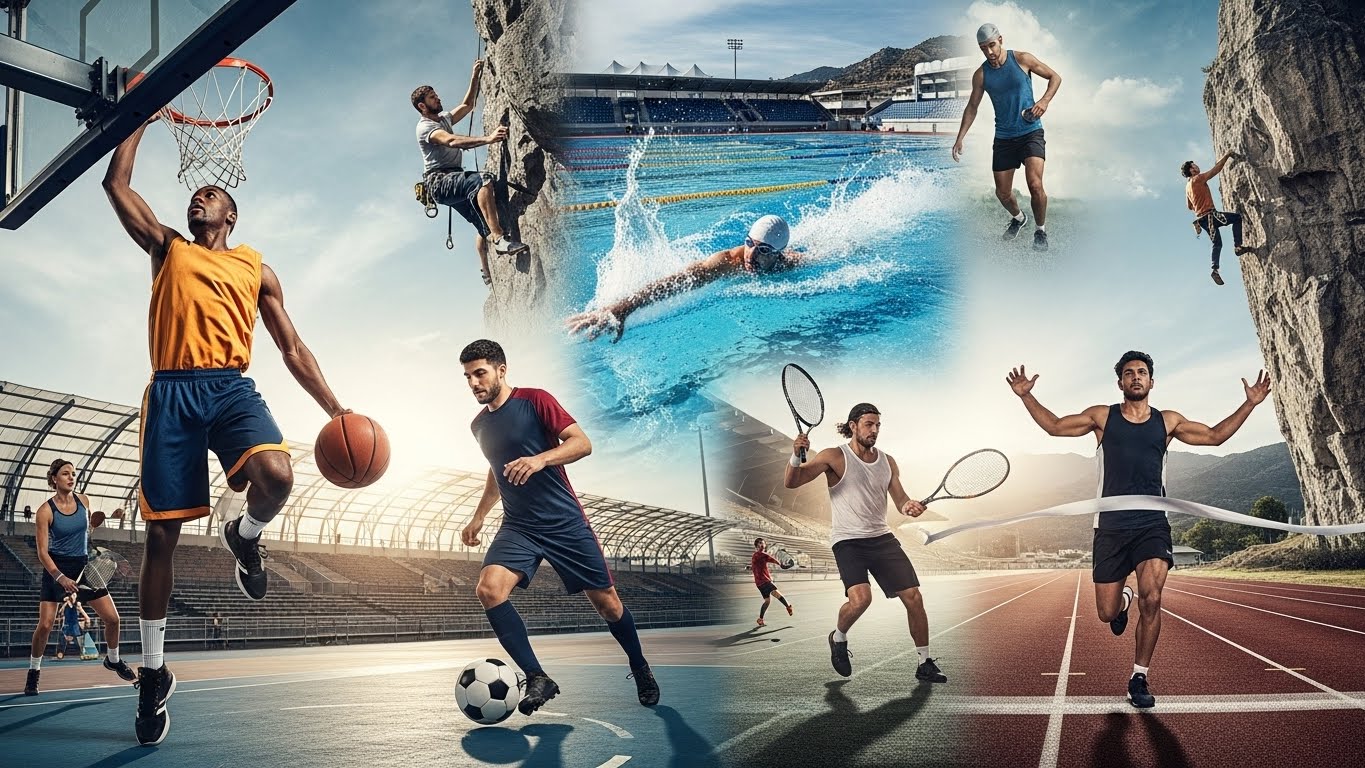

Sports, in their various forms, have been an integral part of human culture for thousands of years. From ancient civilizations to the modern-day, athletic competition has not only served as entertainment but as a vital means of fostering connection, personal development, and even societal transformation. Whether it’s the thrill of the Olympic Games, the rivalry between football teams, or the personal discipline of an individual athlete, sports have a profound impact on people of all ages, backgrounds, and nationalities.
In this blog post, we will explore the many layers of the sports world, from how it brings people together to its role in promoting health and well-being. We will also take a deep dive into the economic impact, the power of sports in education, and the significant role that sports play in shaping the global cultural landscape.
The Global Reach of Sports: A Universal Language
One of the most fascinating aspects of sports is its ability to transcend borders, languages, and cultures. It is a universal language that binds people from all walks of life. Whether you are watching a soccer match in Europe, a cricket game in India, or a basketball tournament in the United States, the emotions evoked by these sports are universally understood.
Sports unite people in the pursuit of a common goal. The sense of camaraderie and team spirit that emerges during a game—whether it’s a local pickup match or a World Cup final—is something that connects people in ways that words often cannot. People from different countries, with different traditions and customs, can come together to celebrate their shared love of the game. Even in countries where certain sports may be less popular, global events like the FIFA World Cup or the Olympics draw attention from millions of viewers worldwide, reinforcing the idea that sports are a powerful force for unity.
The “globalization” of sports has also played a significant role in spreading diverse cultural influences. Athletes from different countries often serve as ambassadors for their nations, showcasing their culture to a worldwide audience. The rise of international leagues and global competitions, such as the English Premier League or the NBA, allows people to witness a diverse array of playing styles and strategies, fostering a greater understanding of different cultures through the medium of sports.
The Role of Sports in Personal Development
While the global appeal of sports is undeniable, its importance on an individual level is just as significant. The lessons learned through participation in sports extend far beyond physical exercise. From a young age, children who engage in sports are taught vital life skills that help shape their futures. Whether playing in a team or individually, athletes often develop qualities like discipline, resilience, perseverance, and teamwork—traits that are beneficial both on and off the field.
Discipline and Consistency
Athletes must commit to regular practice, endure long hours of training, and constantly strive for improvement. This dedication and discipline are essential for reaching peak performance. However, the lessons in consistency and hard work transcend the sports world and spill over into daily life. Whether in school, work, or relationships, the discipline learned from sports can help individuals stay focused and achieve their goals.
Teamwork and Collaboration
One of the most valuable lessons that sports impart is the importance of teamwork. Whether on a soccer field or in a corporate office, the ability to work together toward a common goal is crucial. Sports teach individuals how to communicate effectively, share responsibilities, and support one another, all of which are essential in both personal and professional settings. Even in individual sports, athletes often rely on coaches, teammates, and supporters to help them achieve their best.
Resilience and Overcoming Adversity
Sports, by nature, come with ups and downs. Athletes experience both victories and defeats, and they must learn how to cope with disappointment and setbacks. The ability to recover from a loss and keep pushing forward is one of the most powerful skills that sports can teach. Resilience is not just about bouncing back from defeat, but also about handling pressure, staying calm under stress, and learning from mistakes. These are all traits that contribute to personal growth and success in life beyond the field.
Sports as a Tool for Health and Well-being
It’s no secret that physical activity is good for the body, but the positive impact of sports on both physical and mental health cannot be overstated. Regular participation in sports helps improve cardiovascular health, build muscle strength, and maintain a healthy weight. But beyond the physical benefits, sports are also a powerful tool for enhancing mental well-being.
Physical Health Benefits
The long-term benefits of regular participation in sports are well-documented. Engaging in physical activity, especially in competitive sports, helps reduce the risk of chronic diseases such as heart disease, diabetes, and obesity. For children and adolescents, regular physical activity promotes healthy bone development, improves coordination, and contributes to better posture and flexibility. Moreover, staying active helps improve sleep patterns and boosts energy levels, leading to an overall higher quality of life.
Mental Health Benefits
Sports also offer significant mental health benefits, particularly in today’s fast-paced, high-stress world. Exercise, including sports, triggers the release of endorphins—often referred to as “feel-good” hormones—which can help reduce stress and anxiety. For individuals dealing with depression or mental health challenges, physical activity can serve as a natural mood booster, providing a sense of accomplishment and well-being.
In team sports, the sense of belonging to a group can also improve self-esteem and reduce feelings of loneliness or isolation. Sports foster a sense of community, whether it’s through a local soccer league or a professional team, providing individuals with a source of support and connection.
The Economic Impact of Sports
Sports are not only a source of joy and unity but also a significant driver of economic activity worldwide. From the local level to the global stage, the sports industry is a massive economic engine that impacts various sectors, including tourism, manufacturing, broadcasting, and more.
Job Creation and Local Economies
Sports create millions of jobs worldwide. Whether it’s the athletes themselves, coaches, referees, broadcasters, or support staff, the sports industry offers employment opportunities for people of all skill levels. In many cities, local sporting events, stadiums, and arenas serve as important economic hubs that generate income and create jobs.
The tourism sector also benefits significantly from sports. Major international events like the FIFA World Cup or the Summer Olympics bring in billions of dollars in tourism revenue, as fans from around the world travel to watch their teams compete. In addition to ticket sales, tourism revenue also comes from merchandise, hospitality, and related services.
Sports as a Business
The commercialization of sports has turned athletes into global brands, with sponsorship deals, endorsements, and media rights contributing to the financial success of sports organizations. Sports franchises and broadcasting networks are multi-billion-dollar industries, and the rising value of player contracts and sponsorship deals highlights the growing financial importance of the sports world.
The Influence of Sports on Social Issues and Advocacy
Beyond the entertainment and financial aspects, sports have also played a significant role in shaping societal values and advancing social causes. Athletes have long used their platforms to raise awareness about critical issues, challenge injustice, and drive social change.
Civil Rights and Political Activism
Throughout history, athletes have been at the forefront of political movements. From the civil rights protests of the 1960s to more recent demonstrations against racial inequality, athletes have used their prominence to speak out on issues of social justice. Iconic moments like Muhammad Ali’s refusal to fight in the Vietnam War or Colin Kaepernick’s kneeling during the national anthem sparked nationwide debates about race, freedom, and activism in sports.
Gender Equality
Sports have also become a battleground for gender equality. Women’s sports, in particular, have gained significant visibility in recent decades. Title IX legislation in the United States, for example, helped ensure equal opportunities for women in education and athletics, leading to the growth of women’s sports programs. Female athletes like Serena Williams, Mia Hamm, and Simone Biles have inspired countless young women to pursue careers in sports, breaking barriers and challenging societal norms about what women can achieve.
Promoting Inclusion and Diversity
Many sports organizations are now focusing on creating inclusive environments that welcome athletes from all backgrounds, regardless of race, ethnicity, or socio-economic status. This commitment to diversity is critical in making sports accessible to everyone and using the global platform of sports to promote tolerance, respect, and equality.
Conclusion: Sports as a Catalyst for Change
Sports are more than just games; they are powerful vehicles for social change, personal growth, and global unity. From providing individual health benefits to fostering international cooperation, the influence of sports extends far beyond the playing field. The lessons learned in sports—whether about perseverance, teamwork, or resilience—are values that resonate with people of all ages and backgrounds.
As the world continues to evolve, sports will remain an essential tool for addressing social issues, promoting health, and shaping the future. So whether you’re an athlete, a fan, or a casual observer, it’s clear that the power of sports is something we can all appreciate.