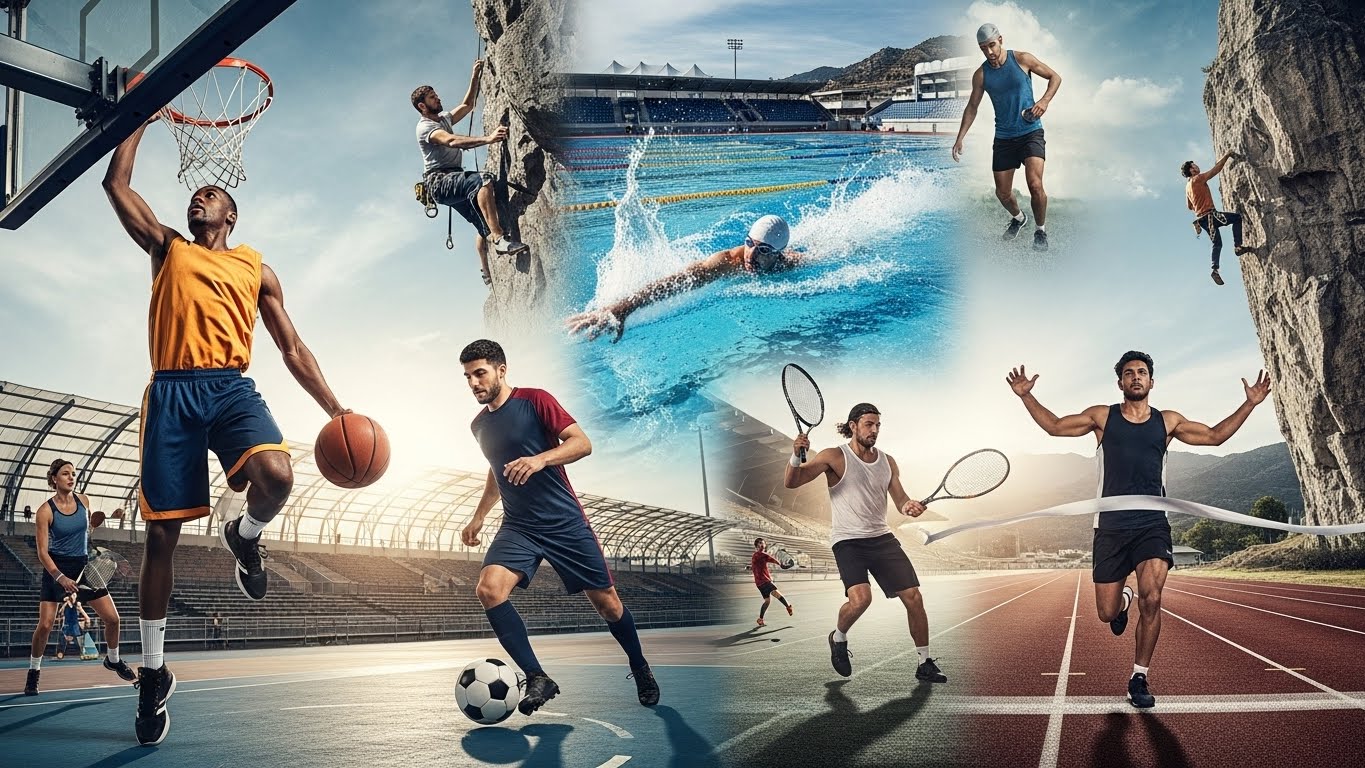

Introduction: The Power of Sports
Sports have been an integral part of human civilization for centuries, transcending borders, cultures, and generations. They are not merely games played on fields, courts, or tracks; sports are a reflection of societal values, human ambition, and the pursuit of excellence. From local community matches to global events like the Olympics and World Cup, sports inspire millions, foster unity, and teach invaluable life skills.
Modern sports serve multiple purposes: entertainment, physical fitness, social engagement, and economic development. This blog explores the multifaceted world of sports, its historical evolution, cultural significance, psychological benefits, and its ever-expanding global impact.
The Evolution of Sports: From Ancient Times to Modern Arenas
The origins of sports trace back to ancient civilizations. Evidence of organized games exists in Ancient Egypt, Greece, and China, where competitions were held to celebrate religious ceremonies, physical prowess, and military skill. The Olympic Games in ancient Greece epitomized athletic excellence and cultural unity, setting a precedent for international sports competitions.
With the Industrial Revolution and modernization, sports became more structured and accessible. Rules were standardized, professional leagues emerged, and spectator culture grew. Football, cricket, basketball, and athletics became not only pastimes but professions, attracting global audiences. Today, technological advancements allow millions to watch live events worldwide, creating a truly connected sports culture.
Physical Benefits of Sports
One of the most obvious benefits of sports is physical health. Regular participation improves cardiovascular health, strengthens muscles, enhances flexibility, and boosts overall fitness. Endurance sports like running, swimming, and cycling improve stamina, while strength training and team sports enhance agility and coordination.
Sports also play a critical role in combating lifestyle-related issues such as obesity, diabetes, and hypertension. Physical activity releases endorphins, reducing stress and improving mood. In addition, engaging in sports from a young age promotes long-term healthy habits, ensuring individuals maintain fitness throughout life.
Mental and Psychological Benefits
Beyond physical fitness, sports have significant psychological benefits. Participation improves concentration, discipline, and time management skills. Team sports, in particular, foster communication, leadership, and collaborative problem-solving abilities.
Sports also teach resilience and perseverance. Athletes face challenges, setbacks, and losses, learning to cope with pressure and develop mental toughness. Achievements, whether big or small, boost self-confidence and instill a sense of accomplishment.
Engaging in sports is also associated with reduced anxiety and depression. The social interaction, structured activity, and sense of purpose provided by sports contribute to improved mental health and emotional well-being.
Sports and Cultural Significance
Sports hold immense cultural significance. They serve as a unifying force, bringing together people from diverse backgrounds to celebrate shared interests. International events like the FIFA World Cup, the Olympics, and cricket tournaments foster national pride and cultural identity.
Local and regional sports preserve cultural traditions, whether through indigenous games, martial arts, or community festivals. Sports rituals, chants, and ceremonies reflect societal values and collective memory. The global popularity of sports demonstrates their ability to transcend language, religion, and geography, creating a universal cultural phenomenon.
The Role of Technology in Modern Sports
Technology has transformed how sports are played, viewed, and analyzed. Advanced equipment, wearable devices, and performance-tracking tools allow athletes to optimize training, prevent injuries, and enhance performance.
Broadcasting technology and streaming platforms bring sports events to global audiences in real time. Video replays, slow-motion analysis, and virtual reality experiences enhance viewer engagement and understanding.
Data analytics and artificial intelligence are increasingly used for strategic planning, scouting talent, and analyzing opponents. Technology has elevated sports from simple competition to a science, improving both performance and audience experience.
Women in Sports: Breaking Barriers
Women’s participation in sports has grown tremendously over the past century, challenging traditional stereotypes and promoting gender equality. Female athletes now compete at the highest levels in football, tennis, athletics, and countless other disciplines, inspiring younger generations to pursue their passions.
Women’s sports leagues, tournaments, and media coverage have expanded visibility and opportunities. Role models such as Serena Williams, Megan Rapinoe, and Simone Biles demonstrate that dedication, skill, and perseverance transcend gender. The rise of women in sports continues to redefine societal norms and promote inclusivity in athletics.
Sports and Youth Development
Engaging in sports has a profound impact on youth development. Team participation teaches cooperation, responsibility, and leadership. Individual sports promote self-discipline, goal setting, and personal accountability.
Youth sports also instill ethical values such as fair play, respect, and sportsmanship. Learning to win with humility and lose with grace prepares young athletes for real-life challenges. Schools and community programs that encourage sports participation help develop not only physical skills but also character and emotional intelligence.
Economic Impact of Sports
Sports contribute significantly to the global economy. Professional leagues, tournaments, and events generate billions in revenue through ticket sales, broadcasting rights, sponsorships, and merchandising. Sports tourism attracts fans to stadiums, arenas, and host cities, boosting local businesses and infrastructure.
Athlete endorsements, sports marketing, and brand partnerships create additional economic opportunities. Emerging industries such as esports and digital sports platforms are expanding the economic footprint of sports beyond traditional arenas. The economic impact of sports underscores its role as both entertainment and a driver of financial growth.
Sportsmanship and Ethical Values
Sportsmanship is central to the ethos of sports. Respect for opponents, adherence to rules, and fairness are fundamental principles that define ethical participation. Athletes, coaches, and fans alike are encouraged to uphold these values, fostering integrity and trust within the sporting community.
Ethics in sports also extend to anti-doping regulations, responsible betting, and adherence to safety standards. Upholding ethical standards ensures that sports remain a credible and inspiring domain for competition, personal growth, and cultural engagement.
The Role of Sports in Society
Sports have the power to unite communities, promote health, and inspire social change. Grassroots initiatives encourage participation in underserved communities, providing opportunities for recreation, skill development, and mentorship.
Sports also play a role in diplomacy and international relations, offering neutral grounds for engagement, dialogue, and collaboration. Major sporting events often serve as platforms to highlight social issues, advocate for equality, and celebrate human achievement.
Whether at the local, national, or international level, sports have the capacity to bring people together, creating shared experiences and fostering collective identity.
The Future of Sports
The future of sports will continue to be shaped by technology, globalization, and cultural evolution. Virtual reality and augmented reality could revolutionize training, fan engagement, and even how games are experienced. Wearable technology and AI-driven analytics will continue to refine performance optimization and injury prevention.
Esports and digital sports platforms are expanding the definition of athletics, engaging new audiences, and creating novel forms of competition. Inclusivity, sustainability, and ethical practices will remain central to the development of sports, ensuring that its impact on society is positive and enduring.
The future of sports lies in its ability to balance tradition with innovation, creating experiences that inspire, entertain, and unite people worldwide.
Conclusion: Sports as a Universal Language
Sports are more than competition; they are a universal language that transcends cultural, social, and geographic boundaries. They promote physical health, mental well-being, social cohesion, and cultural expression. From professional leagues to community games, sports inspire excellence, resilience, and unity.
As technology advances and society evolves, sports will continue to adapt, offering new opportunities for engagement, entertainment, and personal growth. They remind us that human potential is limitless when combined with discipline, passion, and collaboration. Sports are not just games—they are a reflection of humanity, a source of joy, and a powerful force for connection and transformation.