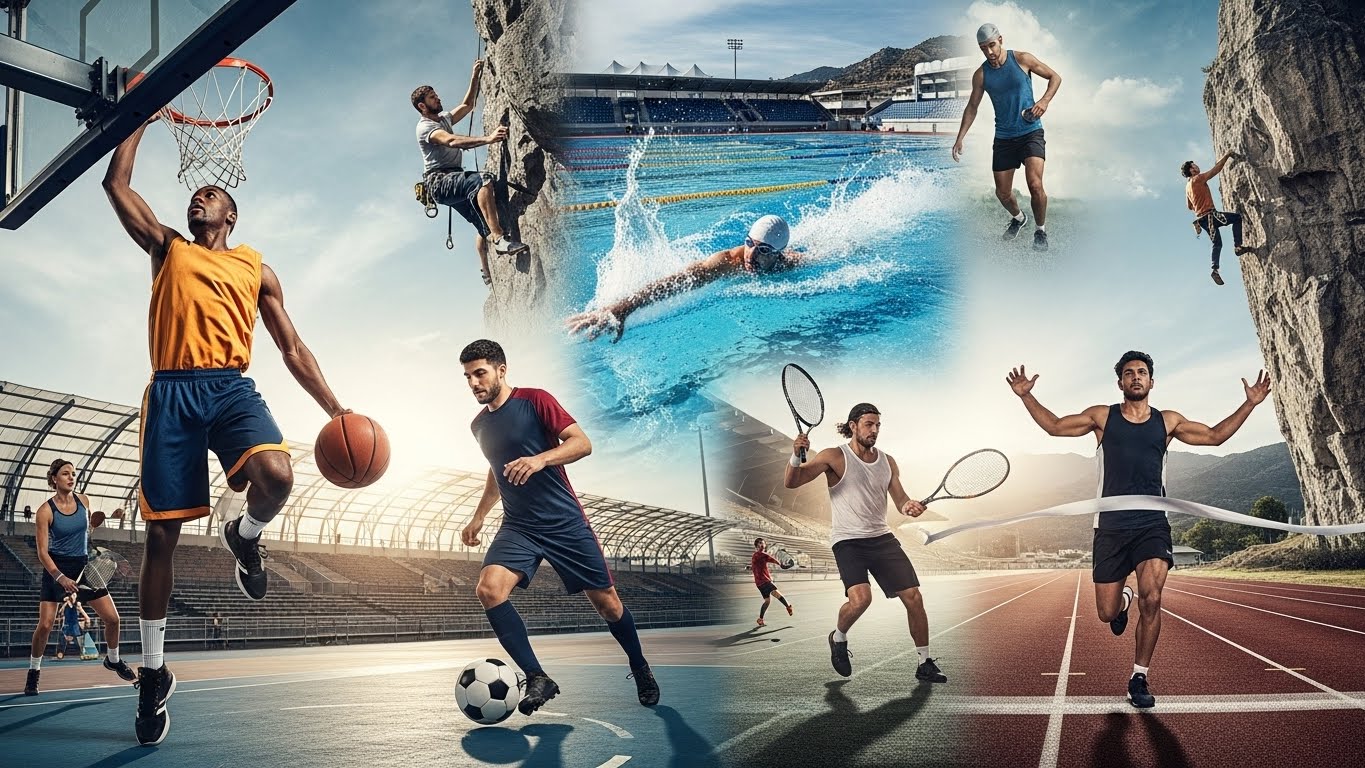

The Universal Language of Sports
Sports are more than just games played on fields, courts, or tracks. They are a universal language that transcends borders, cultures, and languages. From children kicking a ball in a dusty alley to professional athletes competing on the world stage, sports connect people in ways few other activities can. They teach values such as teamwork, perseverance, and discipline while providing moments of shared excitement and pride. The thrill of victory and the lessons of defeat resonate with people of all ages, making sports a vital part of human experience.
The Role of Sports in Personal Development
Engaging in sports is not just about physical fitness; it is also a powerful tool for personal growth. Athletes learn how to set goals, manage time, and develop self-confidence. The challenges faced on the playing field—whether it is pushing through physical exhaustion or handling the pressure of competition—translate into skills that are valuable in everyday life. Children who play sports often develop leadership skills, problem-solving abilities, and resilience, all of which contribute to their overall development. In many ways, sports serve as a training ground for life itself.
Team Sports: Building Camaraderie and Trust
Team sports, such as football, basketball, or volleyball, are especially effective in teaching collaboration. Success depends not on individual talent alone but on how well players work together. Athletes learn to trust their teammates, communicate effectively, and make collective decisions under pressure. These experiences cultivate empathy, patience, and a sense of responsibility. Beyond the field, these lessons often extend into other areas of life, including professional work environments and social relationships. Team sports demonstrate that achievements are more meaningful when shared.
Individual Sports: The Power of Self-Mastery
While team sports emphasize cooperation, individual sports like tennis, swimming, or athletics focus on self-discipline and personal accountability. Athletes in these sports are solely responsible for their performance, learning to handle both success and failure independently. The journey of improving technique, managing mental pressure, and overcoming setbacks cultivates self-awareness and determination. Individual sports teach the value of persistence, mental toughness, and focus—skills that are invaluable in any endeavor outside of sports.
The Evolution of Sports Through History
Sports have evolved tremendously over the centuries, reflecting changes in society and technology. Ancient civilizations held competitions that were both recreational and ceremonial, such as the Olympic Games in Greece. Over time, sports became more organized, professionalized, and globalized. Today, international tournaments attract millions of viewers, and technological advancements enhance training, performance analysis, and broadcasting. The evolution of sports mirrors human progress, showing how competition, innovation, and cultural exchange are intertwined with physical activity.
The Impact of Sports on Health and Fitness
One of the most obvious benefits of sports is the improvement of physical health. Regular participation strengthens the cardiovascular system, builds muscles, and enhances flexibility and coordination. It also has profound mental health benefits, including stress reduction, improved mood, and increased cognitive function. In a world where sedentary lifestyles are increasingly common, sports play a critical role in promoting overall well-being. Beyond physical fitness, the structured routines of training and competition instill discipline that positively affects other aspects of life.
Sports as a Catalyst for Social Change
Sports have historically been a platform for addressing social issues and promoting equality. Athletes have used their visibility to advocate for justice, fight discrimination, and raise awareness about critical global challenges. Iconic moments, such as the inclusion of women in competitive sports or athletes taking a stand for human rights, show how sports can inspire societal transformation. By bringing people together and highlighting shared humanity, sports transcend cultural and social barriers, proving that the playing field can also be a stage for positive change.
The Role of Technology in Modern Sports
Modern sports are deeply influenced by technological innovations. From advanced training equipment to wearable fitness trackers, technology enhances performance and safety. Video replay and analytics help athletes and coaches make informed decisions, while broadcasting innovations allow fans worldwide to experience events in real-time. Even sports medicine and injury rehabilitation have benefited immensely from technological advances, ensuring athletes can perform at their peak for longer periods. Technology not only elevates the game but also deepens fans’ engagement with sports.
The Psychological Dimension of Sports
Athletic performance is not just physical; it is deeply psychological. Mental toughness, focus, and confidence are essential for success. Athletes must manage stress, handle pressure, and maintain motivation, often balancing intense physical strain with emotional resilience. Sports psychology has emerged as a critical field, helping athletes optimize performance through visualization, mindfulness, and coping strategies. The mental lessons learned in sports extend far beyond the game, teaching individuals how to overcome challenges and achieve goals in all areas of life.
Youth Sports: Shaping Future Leaders
Participation in sports from a young age plays a crucial role in shaping future leaders. Youth sports provide opportunities to develop leadership skills, foster teamwork, and build ethical values. Coaches often serve as mentors, guiding children to respect rules, work hard, and develop integrity. The experiences gained through youth sports—handling wins and losses, practicing consistently, and supporting teammates—equip children with a foundation for lifelong success. Encouraging youth participation in sports is not just about nurturing athletes; it is about raising well-rounded individuals.
The Global Phenomenon of Sports Fandom
Sports fandom is a cultural phenomenon that brings people together across geographies. Fans celebrate victories, mourn losses, and build communities around shared passion. Supporting a team or athlete creates a sense of identity and belonging, connecting people who may never meet in person. Sports fandom also has economic and social impacts, driving industries, tourism, and media. The emotional intensity of being a fan demonstrates how sports extend beyond mere competition—they create bonds, stories, and memories that last a lifetime.
Sports and the Economy
The economic impact of sports is significant. Professional leagues, tournaments, and sporting events generate billions in revenue through ticket sales, sponsorships, merchandising, and media rights. Local economies benefit from hosting events, which attract tourism and investment. Moreover, the sports industry provides employment opportunities across multiple sectors, including coaching, sports medicine, broadcasting, and marketing. The financial ecosystem of sports shows that beyond entertainment and health, sports are a major driver of economic growth and innovation.
Women in Sports: Breaking Barriers
The rise of women in sports has been one of the most inspiring trends in recent decades. Female athletes have shattered records, challenged stereotypes, and earned recognition on global stages. Their success encourages gender equality and empowers future generations of girls to pursue athletic dreams. Women’s sports continue to grow in popularity, visibility, and influence, proving that talent and determination know no gender. Celebrating women in sports highlights the transformative power of athletics to challenge societal norms and create inclusive opportunities.
The Future of Sports
Looking ahead, the future of sports is promising and full of innovation. Advances in technology, training methods, and global connectivity will continue to elevate performance and fan engagement. Esports and virtual competitions are expanding the definition of sports, offering interactive experiences that attract diverse audiences. Sustainability and social responsibility are also becoming priorities, as sports organizations recognize their role in shaping a better world. The evolution of sports will continue to inspire, entertain, and connect people in ways that reflect the values of society while pushing boundaries.
Conclusion: Sports as a Mirror of Life
Sports are far more than games—they are a reflection of human ambition, resilience, and creativity. They teach lessons that extend beyond physical skill, shaping character, building community, and inspiring generations. Whether through the teamwork of a football match, the discipline of a marathon, or the courage of a young athlete, sports remind us of our potential and our shared humanity. In celebrating sports, we celebrate the best of what people can achieve together and individually, proving that the impact of sports resonates far beyond the final whistle.