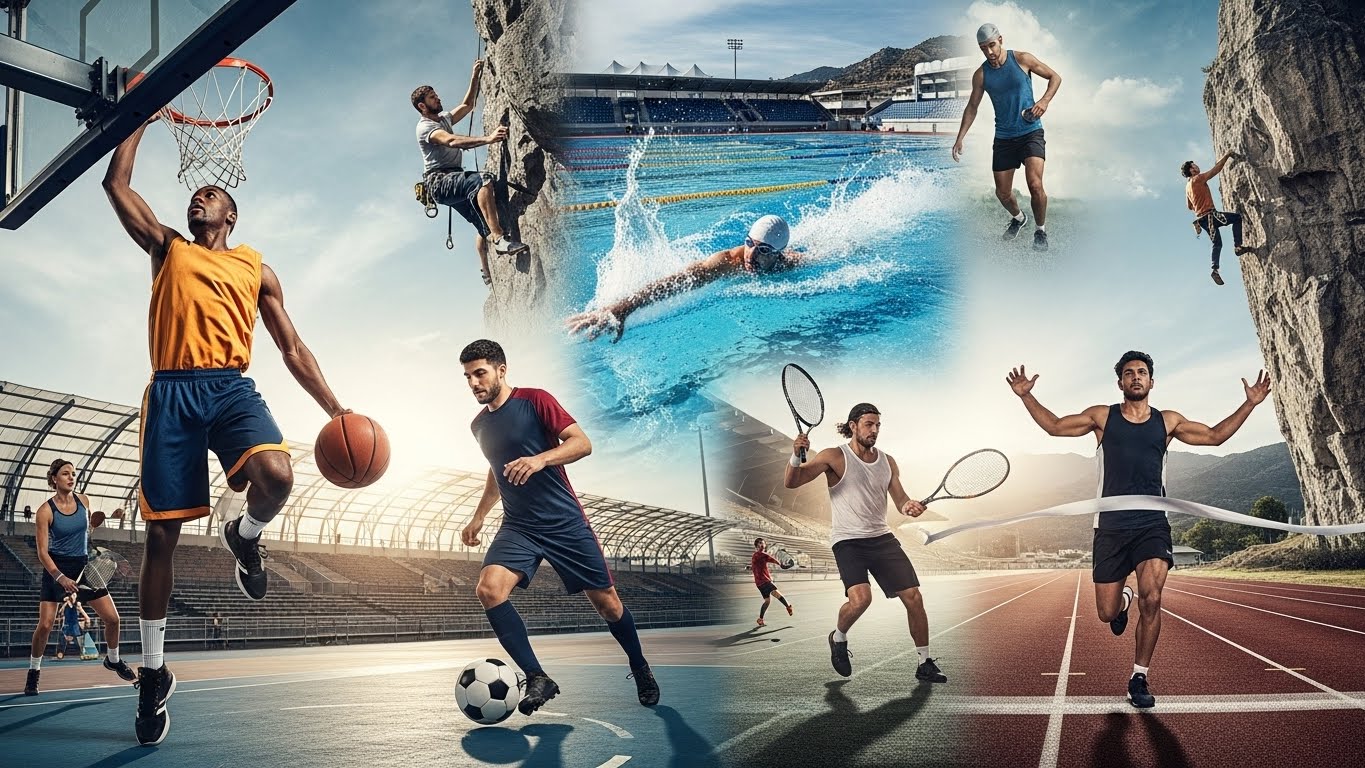

Sports have always been more than just a form of entertainment or a display of physical ability. They are a reflection of human culture, a test of resilience, and a source of inspiration across generations. From grassroots competitions to global tournaments, sports influence society in profound ways, fostering discipline, teamwork, and innovation. This blog explores how sports impact individuals, communities, and even technological advancements, highlighting the often-overlooked dimensions of athletic pursuit.
The Evolution of Sports: From Ancient Times to Modern Arenas
Sports are as old as civilization itself. Ancient societies, such as the Greeks and Egyptians, organized games that combined physical skill with cultural and religious significance. The Olympic Games in ancient Greece, for example, were not only a test of strength and speed but also a celebration of human excellence and community pride.
Over centuries, sports have evolved to include a diverse array of disciplines, rules, and global competitions. Modern stadiums, international leagues, and digital broadcasting have transformed sports into a global phenomenon. Today, sports are not just about physical prowess; they are about strategy, mental resilience, and entertainment value, making them a central part of modern culture.
Physical Benefits of Sports
Engaging in sports offers numerous physical benefits that extend far beyond muscle strength and endurance. Regular participation enhances cardiovascular health, improves flexibility, and reduces the risk of chronic diseases such as diabetes and hypertension. Athletes also develop better coordination, reflexes, and balance, which contribute to overall physical well-being.
Moreover, sports encourage healthy habits from a young age. Children who participate in organized sports often maintain active lifestyles into adulthood. They learn the importance of nutrition, consistent practice, and recovery, which are essential for long-term health. The impact of sports on physical wellness is both immediate and enduring, highlighting its essential role in human development.
Psychological Impact: Building Resilience and Focus
Sports are not only about physical skill—they are a test of mental fortitude. Athletes constantly face challenges, from overcoming injuries to coping with high-pressure competitions. These experiences cultivate resilience, perseverance, and a growth mindset. The ability to recover from setbacks, maintain focus under stress, and adapt to changing circumstances translates into life skills applicable far beyond the playing field.
Team sports, in particular, emphasize collaboration and emotional intelligence. Players learn to manage conflicts, communicate effectively, and empathize with teammates. Even individual sports teach athletes self-discipline, patience, and strategic thinking. The psychological benefits of sports are profound, shaping personalities and equipping individuals with tools to navigate life’s challenges.
Sports as a Catalyst for Social Change
Sports have a unique ability to transcend cultural, social, and political boundaries. Throughout history, athletes and sporting events have played pivotal roles in promoting social change and challenging inequality. Iconic figures like Jesse Owens, who defied racial prejudice during the 1936 Olympics, or Billie Jean King, who advocated for gender equality in tennis, demonstrate how sports can influence broader societal issues.
Community-based sports programs also foster social cohesion. Youth leagues and local tournaments provide safe spaces for engagement, mentorship, and skill development. By bringing people together, sports promote inclusivity, cultural exchange, and a sense of belonging, making them a powerful tool for social progress.
The Economics of Sports
Beyond personal and social impact, sports have a significant economic dimension. Professional leagues, stadiums, broadcasting rights, and merchandising generate billions in revenue worldwide. Local economies benefit from sports tourism, training facilities, and community events. Even small-scale sports programs contribute by creating jobs, fostering entrepreneurship, and attracting investments.
Athletes themselves become influential economic contributors. Endorsements, sponsorships, and personal brands transform top performers into global icons. The economic influence of sports underscores its dual role: it is both a cultural phenomenon and a major driver of financial activity.
Technology in Sports: Revolutionizing Performance and Experience
Technology has transformed the way sports are played, managed, and consumed. Wearable devices monitor athletes’ biometrics, helping optimize training and prevent injuries. Advanced analytics assess performance metrics, providing coaches with insights that were previously unattainable. Even equipment innovation, from lightweight shoes to high-tech protective gear, has enhanced safety and efficiency.
Additionally, technology has revolutionized fan engagement. Virtual reality, instant replays, and interactive apps allow audiences to experience games in immersive ways. Digital platforms provide access to global tournaments, connecting fans across continents. The integration of technology highlights sports as a dynamic field where innovation and performance intersect.
The Role of Leadership and Teamwork
Leadership and teamwork are core components of sports success. Captains, coaches, and senior players guide teams through challenges, motivating and strategizing to achieve common goals. Team dynamics teach critical lessons in responsibility, accountability, and mutual respect.
In professional and amateur sports alike, successful teams demonstrate that individual talent must align with collective effort. Players who understand their roles, communicate effectively, and support one another create cohesive units capable of remarkable achievements. These lessons in teamwork are applicable beyond sports, informing careers, education, and community engagement.
Inspiring Stories: Athletes Who Redefine Limits
One of the most powerful aspects of sports is the stories of athletes who defy odds. From overcoming injuries to achieving unexpected victories, these narratives inspire millions. Stories like that of an underdog team winning a championship or an athlete breaking a long-standing record remind us that determination, hard work, and belief can lead to extraordinary outcomes.
These inspirational journeys also highlight the human aspect of sports. They teach lessons about resilience, goal-setting, and the importance of pursuing passions. In many ways, sports serve as a mirror for life, demonstrating that obstacles can be overcome with dedication and courage.
The Global Influence of Sports
Sports connect the world in ways few other domains can. Major events such as the Olympics, World Cup, and international tournaments foster cross-cultural exchange, diplomacy, and global unity. Athletes become ambassadors for their countries, and fans from diverse backgrounds come together to celebrate shared passions.
Moreover, global sports have the power to influence cultural trends, fashion, and even politics. The shared excitement and collective identity fostered by sports create bonds that transcend borders. In a rapidly interconnected world, sports serve as a universal language, uniting people through competition, celebration, and shared experience.
Challenges Facing Modern Sports
Despite the numerous benefits, sports face challenges that cannot be overlooked. Issues such as doping, corruption, and unethical management threaten the integrity of competitions. Economic disparities can limit access to training and facilities, preventing talented individuals from reaching their potential.
Mental health concerns among athletes are increasingly recognized as critical issues. The pressure to perform, media scrutiny, and physical demands can take a toll on well-being. Addressing these challenges requires holistic approaches that balance performance with ethics, inclusion, and psychological support.
The Future of Sports: Innovation and Sustainability
The future of sports lies in balancing innovation, inclusivity, and sustainability. Emerging technologies will continue to enhance performance, safety, and fan experience. Virtual and augmented reality may transform training and viewing experiences, making sports more immersive than ever.
Sustainability is also gaining importance. From eco-friendly stadiums to reduced travel emissions and ethical merchandising, the sports industry is increasingly aware of its environmental impact. By integrating sustainability into infrastructure and practices, sports can continue to thrive while contributing positively to the planet.
Inclusivity will remain a central focus. Expanding opportunities for women, differently-abled athletes, and marginalized communities ensures that sports remain accessible and equitable. The next era of sports promises to be innovative, inspiring, and socially responsible.
Conclusion
Sports are far more than competitions or spectacles. They shape individual character, influence societal values, drive technological innovation, and foster global connections. From the physical benefits of regular activity to the psychological lessons of resilience and teamwork, sports impact every aspect of human life.
By embracing the positive potential of sports and addressing the challenges they face, society can continue to harness their transformative power. Beyond the thrill of victory or the agony of defeat, sports teach lessons that resonate far beyond the playing field. They are a testament to human potential, determination, and unity, reminding us that the spirit of competition is inseparable from the pursuit of excellence, fairness, and shared joy.