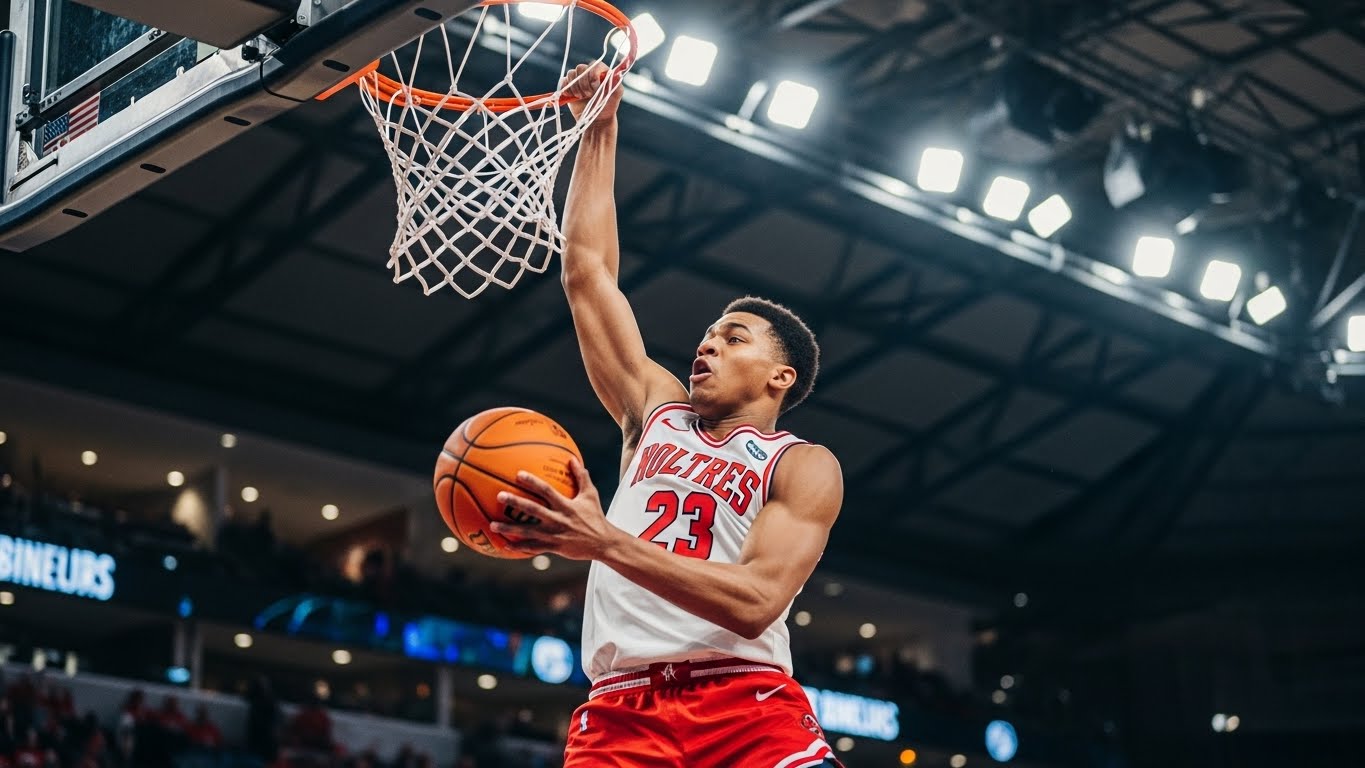

Sports have always been a fundamental part of human culture, a universal language that brings people together, celebrates individual achievements, and creates shared experiences. Whether it’s the thrill of a last-minute goal, the roar of the crowd in a packed stadium, or the quiet concentration of athletes pushing themselves to new limits, sports have a way of uniting people across different backgrounds and cultures.
However, as with any long-standing tradition, the world of sports is constantly evolving. Over the past few decades, technology, globalization, and shifting cultural attitudes have all played a significant role in reshaping the sports industry. The way we watch, play, and engage with sports is changing rapidly, opening up new opportunities and challenges for athletes, fans, and organizations alike.
In this blog post, we will explore how innovation is changing the landscape of sports, from new technologies that enhance the fan experience to the rise of esports and the increasing emphasis on mental health in athletic performance. We will also discuss how the future of sports is likely to look as these changes continue to unfold.
The Evolution of Technology in Sports
Technology has revolutionized the way sports are played, watched, and analyzed. From wearable devices that track athletes’ biometrics to advanced video analysis tools, technology has made its mark in virtually every aspect of sports.
Wearable Technology: A New Era of Athlete Monitoring
One of the most significant innovations in sports is the development of wearable devices that allow athletes to monitor their performance in real time. Devices like smartwatches, heart rate monitors, and GPS trackers provide valuable data on an athlete’s physical condition, such as heart rate, sleep quality, calorie expenditure, and even muscle recovery.
For example, in professional football, players now wear sensors in their pads to track things like acceleration, deceleration, and collision force. This allows coaches and medical staff to assess an athlete’s risk of injury and optimize training regimens to prevent overuse injuries. Similarly, in tennis, players can wear sensors on their rackets to measure the speed, spin, and angle of their shots, helping them fine-tune their technique.
These wearable devices not only improve athletic performance but also provide coaches with real-time insights that help them make more informed decisions during training and competition.
Video Analysis and Data Analytics: Enhancing Strategy and Performance
Beyond wearables, video analysis tools have become a game-changer for teams and athletes. Advanced cameras and software can now track player movements with incredible accuracy, providing detailed breakdowns of tactics, positioning, and even individual performance metrics.
In sports like basketball and soccer, teams use video analysis to study every aspect of the game, from offensive plays to defensive formations. Coaches can use this data to identify weaknesses in their opponents and adjust their strategies accordingly. Similarly, athletes can analyze their own performances, spotting areas for improvement, whether it’s their running technique, shooting accuracy, or even how they move on the field.
Additionally, data analytics has become an essential tool in many sports. By analyzing vast amounts of data, teams can predict trends, identify strengths and weaknesses, and even forecast player performance. For example, baseball teams are increasingly relying on sabermetrics to evaluate players, while football teams use performance data to assess player health and optimize training loads.
The Rise of Esports: A New Frontier in Competitive Sports
While traditional sports have long been a dominant part of the global sports landscape, a new form of competition is quickly gaining ground: esports. Competitive video gaming has grown into a multi-billion-dollar industry, with professional leagues, massive prize pools, and millions of viewers tuning in to watch top gamers battle it out in games like League of Legends, Dota 2, Fortnite, and Counter-Strike.
Esports: Breaking into the Mainstream
Esports’ rise has been nothing short of extraordinary. What started as a niche hobby for a select group of gamers has now turned into a global phenomenon. Esports tournaments are held in huge arenas, and some competitions are broadcast on major television networks, just like traditional sports. Popular video game streamers can attract millions of viewers on platforms like Twitch and YouTube, with some players even earning sponsorship deals similar to those of professional athletes in traditional sports.
Esports is also beginning to receive more recognition as a legitimate sport. Universities are offering scholarships for esports players, and some high schools are even developing esports programs to give students an outlet for their competitive gaming skills. With the increasing prize money and growing fanbase, esports is not just a passing trend—it’s becoming a permanent fixture in the sports world.
Bridging the Gap Between Traditional and Digital Sports
What’s particularly fascinating about esports is how it’s bridging the gap between traditional sports and digital entertainment. Many athletes from traditional sports, including famous basketball players, football stars, and even former Olympians, are now investing in or sponsoring esports teams and tournaments.
This crossover between traditional and digital sports suggests that esports is not just a separate entity but an integral part of the broader sports ecosystem. Major sports organizations are increasingly viewing esports as a complementary offering rather than a competitor, as they look to tap into the rapidly growing audience of younger, digitally-savvy fans.
Mental Health and Athlete Well-being: A Growing Focus
In recent years, there has been a shift in focus toward mental health and overall well-being in sports. While physical training has always been a priority for athletes, the importance of mental health is now being recognized as equally essential to peak performance.
The Pressure of Elite Sports
Elite athletes often face immense pressure, whether from their teams, sponsors, or the public. This can lead to high levels of stress, anxiety, and burnout, and it’s becoming more common for athletes to open up about their struggles with mental health. In sports like gymnastics, tennis, and soccer, high-profile athletes have begun to speak out about the emotional and psychological challenges of competing at the highest level.
Athletes such as Simone Biles, Naomi Osaka, and Michael Phelps have publicly shared their experiences with mental health issues, helping to destigmatize the conversation around mental health in the sporting world. This shift is encouraging others to prioritize their mental well-being, not just their physical performance.
Support Systems and Mental Health Resources
To support athletes, many sports organizations are beginning to integrate mental health resources into their programs. Teams and federations now provide access to psychologists, counselors, and performance coaches who help athletes manage the psychological pressures of competition.
In addition to one-on-one therapy, some sports teams have adopted team-based mental health programs that focus on mindfulness, stress management, and emotional resilience. These initiatives are designed to improve mental toughness and overall well-being, helping athletes to perform at their best while also maintaining a healthy work-life balance.
Sustainability in Sports: A New Wave of Responsibility
As the world becomes increasingly aware of environmental challenges, the sports industry is beginning to embrace sustainability in meaningful ways. Sports organizations, stadiums, and athletes are looking for ways to reduce their environmental footprint and contribute to global sustainability efforts.
Green Stadiums and Eco-Friendly Initiatives
Many major sports stadiums are now incorporating eco-friendly practices, such as using renewable energy sources, reducing water consumption, and recycling waste. For example, Levi’s Stadium in California, home to the San Francisco 49ers, is known for its sustainability efforts, including a state-of-the-art solar panel system that powers the stadium.
In addition to stadiums, teams are starting to reduce their carbon footprint by traveling more efficiently and promoting eco-friendly products. Some teams are even partnering with environmental organizations to raise awareness about climate change and other pressing environmental issues.
Athletes as Environmental Advocates
Athletes are also using their platform to advocate for sustainability and environmental awareness. Chris Paul, Lewis Hamilton, and Greta Thunberg have used their visibility to address environmental issues and raise public awareness about climate change. As the influence of athletes grows, so too does their ability to impact social change.
The Future of Sports: What’s Next?
The future of sports is likely to be a blend of tradition and innovation. With new technologies enhancing performance, increasing connectivity, and making sports more accessible, the boundaries between physical and digital sports are becoming increasingly blurred.
The Integration of Augmented and Virtual Reality
As augmented reality (AR) and virtual reality (VR) technologies evolve, fans will have the opportunity to experience sports in entirely new ways. Imagine watching a football game from the comfort of your living room, but with VR goggles that make you feel like you’re sitting in the front row, or even participating in a virtual race alongside the world’s best athletes. These innovations have the potential to revolutionize how we watch sports, offering immersive experiences that were once only imaginable in sci-fi films.
Esports Growth and Mainstream Acceptance
Esports is set to continue its upward trajectory, with more mainstream sports organizations incorporating digital competitions into their portfolios. Over time, esports could become just as prominent as traditional sports, with a comparable level of global recognition and fan support.
The Changing Role of Fans
Sports fans of the future will be more engaged than ever, with new ways to interact with their favorite teams and athletes. Social media, fan clubs, and interactive live-streaming platforms will continue to evolve, providing fans with unprecedented access to their heroes and favorite teams.
Conclusion: A New Era of Sports
The world of sports is entering a new era, one where technology, mental health, sustainability, and even digital entertainment play a significant role. As the industry continues to evolve, the future promises a more inclusive, diverse, and connected sports landscape. Whether you’re a player, coach, or fan, the changing landscape of sports offers endless possibilities, creating opportunities for new experiences, greater competition, and a more engaged global community.
The future of sports is exciting, and it’s clear that innovation will continue to be at the heart of its evolution. How we watch, play, and experience sports is changing—one game at a time.