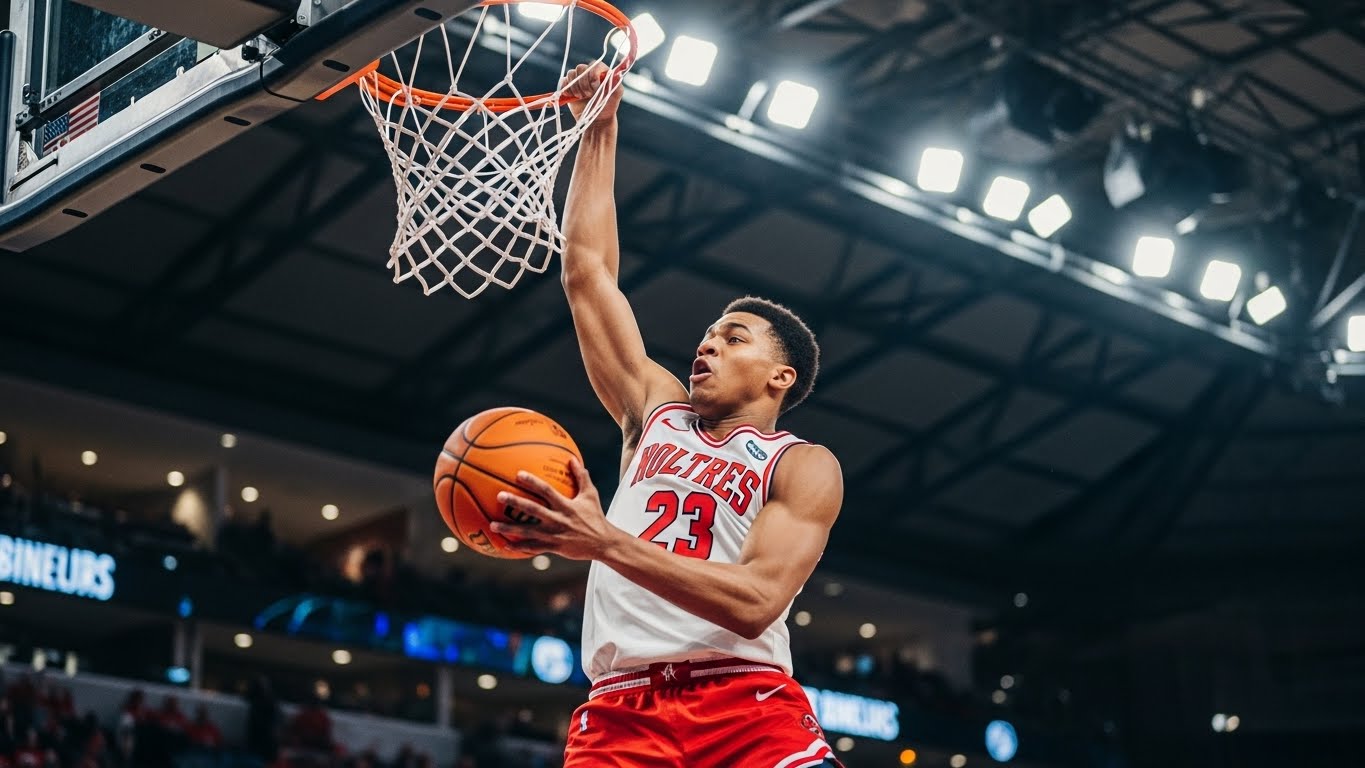
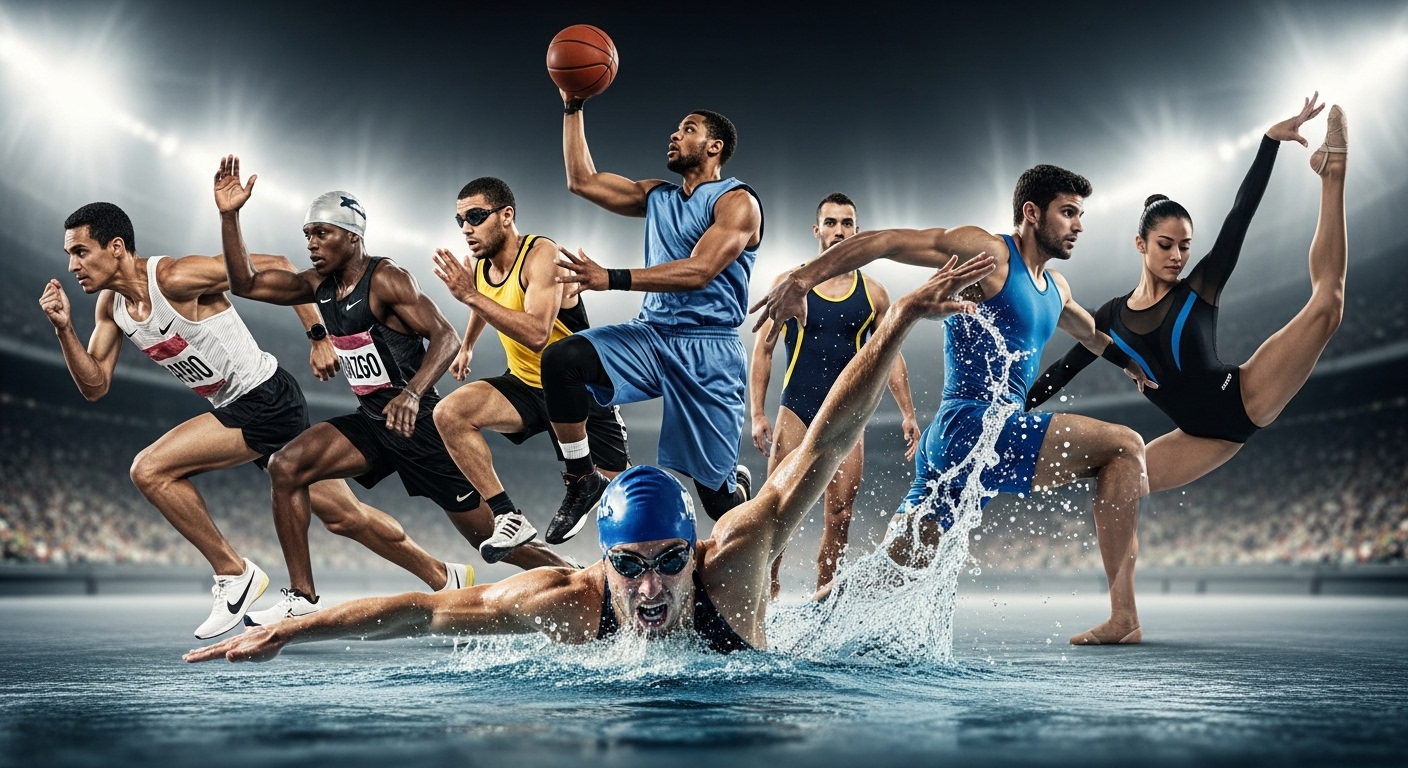
Speed and agility are two of the most sought-after physical attributes in sports. Whether you’re sprinting down the field, maneuvering through defenders, or trying to beat your opponent to the ball, having quick reflexes and the ability to change direction rapidly can make all the difference in your performance.
While genetics play a role, speed and agility are skills that can be developed through targeted training and specific drills. In this blog post, we’ll explore some of the top sports drills that can help athletes improve their speed, agility, and overall athleticism, no matter the sport.
1. Ladder Drills: The Classic Agility Exercise
Ladder drills are one of the most popular and effective exercises for improving footwork, coordination, and agility. They require little more than an agility ladder and a space to perform the drills. These drills focus on fast foot movements, which are crucial for athletes in almost any sport.
Why Ladder Drills Work
Ladder drills enhance an athlete’s ability to make quick, precise movements with their feet. These drills help develop fast-twitch muscle fibers, which are essential for explosive movements like sprinting or changing direction. They also improve balance and coordination, key components of agility.
Common Ladder Drills:
- In-and-Outs: Start with both feet outside the ladder. Step one foot in, then the other, followed by both feet out, and repeat.
- Lateral Shuffles: Move sideways along the ladder, placing one foot in each square as quickly as possible.
- Carioca Steps: Cross one foot over the other as you move down the ladder, alternating legs.
- Two-In-Two-Out: Step both feet into a square, then both feet out, alternating your lead foot.
Ladder drills can be done at various speeds, and athletes can increase the difficulty by speeding up or adding more complex movements.
2. Cone Drills: Improve Directional Change and Reaction Time
Cone drills are excellent for building lateral movement, quick pivots, and reaction times. These drills mimic the rapid direction changes required in many sports, such as soccer, basketball, football, and tennis. By practicing with cones, athletes can improve their ability to stop, start, and change direction on a dime.
Why Cone Drills Work
Cone drills focus on agility and explosive movements, helping athletes learn to move in multiple directions quickly. They also develop the ability to decelerate, stop abruptly, and accelerate again—all crucial components of athletic performance.
Popular Cone Drills:
- Zig-Zag Drill: Set up cones in a zig-zag pattern. Sprint from cone to cone, focusing on sharp, quick turns at each cone.
- Pro-Agility Drill: Place three cones in a straight line, five yards apart. Start in the middle, sprint to one cone, shuffle to the farthest cone, then sprint back to the middle. This drill improves lateral quickness and reaction time.
- T-Drill: Set up cones in the shape of a “T”. Sprint forward to the middle cone, shuffle to the left cone, shuffle to the right cone, and then shuffle back to the middle. This drill builds speed and coordination for changes in direction.
Cone drills can be modified to make them more sport-specific, and you can increase the difficulty by adding a ball or increasing the distance between the cones.
3. Sprints: Build Explosive Speed
No speed workout is complete without sprints. Sprinting is a natural way to increase an athlete’s maximal speed, and when incorporated into training, it has significant benefits for both endurance and explosive power. Sprints challenge the body’s cardiovascular system while focusing on speed, technique, and force production.
Why Sprints Work
Sprints activate fast-twitch muscle fibers, which are essential for burst movement. This kind of training improves an athlete’s overall acceleration, top speed, and ability to maintain speed over longer distances. Sprinting also develops mental toughness and discipline, as it requires high intensity for short bursts of time.
Sprinting Drills:
- Straight-Line Sprints: Sprint for 20 to 40 yards at maximum effort, focusing on form and acceleration.
- Hill Sprints: Running uphill increases resistance, making the muscles work harder and improving speed and power.
- Interval Sprints: Alternate between sprinting at full intensity for 30 seconds and jogging for 30 seconds. This builds cardiovascular endurance and improves recovery times between sprints.
- Resisted Sprints: Use a sled or resistance band to add weight while sprinting, increasing the force needed for acceleration and power development.
Sprints can be performed on a track, field, or hill, and athletes can vary the length and intensity depending on their training goals.
4. Plyometrics: Jump Training for Explosive Power
Plyometric exercises are designed to improve explosive power, a key factor in both speed and agility. These drills involve quick, powerful movements that increase the strength and reactivity of the muscles, particularly the legs. Plyometric training improves an athlete’s ability to generate power in a short amount of time, which is vital for fast starts and quick direction changes.
Why Plyometrics Work
Plyometrics use the stretch-shortening cycle of muscles, which involves rapidly lengthening and shortening muscles to generate maximum force. This improves the speed at which muscles react and helps athletes move faster and more efficiently.
Effective Plyometric Exercises:
- Box Jumps: Jump onto a sturdy box or platform, landing softly with knees slightly bent. This improves explosive strength in the legs.
- Lateral Bounds: Jump side-to-side from one foot to the other. This increases lateral power and stability, which is key for quick direction changes.
- Broad Jumps: Perform a standing broad jump as far as possible, focusing on maximizing distance with each jump.
- Depth Jumps: Step off a box, land softly, and immediately jump as high as possible. This improves reactive strength.
Plyometrics should be done carefully, as they place significant stress on the joints. Athletes should ensure they are performing these exercises with proper form to avoid injury.
5. Resistance Band Drills: Increase Speed and Stability
Resistance bands are versatile tools that can be incorporated into various speed and agility drills. They add resistance, helping to improve strength, flexibility, and speed, particularly in the lower body. Bands can be used for running drills, lateral movements, and even resistance sprints.
Why Resistance Band Drills Work
Resistance bands provide external tension, which increases the challenge of each movement. As you push against the band, your muscles work harder, which in turn improves power and explosiveness. Bands can also help improve stability and coordination, which is crucial for fast changes in direction and maintaining control of your body.
Effective Resistance Band Drills:
- Resisted Sprints: Attach the resistance band around your waist and have a partner hold the other end. Sprint forward, working against the tension of the band to increase speed.
- Lateral Walks: Place a resistance band just above your knees or around your ankles. Take small lateral steps to the left and right, focusing on keeping a low athletic stance to increase hip strength and stability.
- High Knees with Resistance: Attach the band to your waist and a stable object behind you. Perform high knees while resisting the pull of the band, which increases the challenge for your core and hip flexors.
Resistance bands are a great tool to add variety to your speed and agility training, and they can be used to target specific muscle groups to improve performance.
6. Reaction Drills: Sharpen Your Reflexes
Speed isn’t just about moving quickly—it’s also about reacting quickly. Reaction drills are designed to improve an athlete’s reflexes and decision-making under pressure. These drills train athletes to respond to visual or auditory cues, enhancing their reaction time and ability to anticipate an opponent’s next move.
Why Reaction Drills Work
Reaction drills improve the brain’s ability to process information quickly and efficiently. By practicing these drills, athletes can enhance their cognitive function, allowing them to make decisions and respond to situations faster than their opponents.
Popular Reaction Drills:
- Ball Drop Drill: Have a partner drop a ball from different heights, and you must react quickly to catch it before it hits the ground. This improves reaction time and hand-eye coordination.
- Color/Number Calling: Set up colored cones or numbers in a pattern. A coach or partner calls out a specific color or number, and the athlete must sprint to it as quickly as possible.
- Flashlight Drill: Use a flashlight or another light source to signal when an athlete should react. The light can flash in different directions, and the athlete must sprint or change direction in response.
These drills can be incorporated into your regular training sessions to sharpen both physical and mental agility.
Conclusion: Train Smarter, Play Faster
Speed and agility are crucial components of athletic performance in nearly every sport. Whether you’re a soccer player, basketball player, or sprinter, improving these skills will give you an edge over your competition.
By incorporating a variety of drills into your training regimen—such as ladder drills, cone drills, sprints, plyometrics, resistance band exercises, and reaction drills—you can develop the speed, coordination, and agility necessary to excel in your sport. Remember, consistency is key. Regularly practicing these drills will lead to noticeable improvements in your performance, allowing you to move faster, react quicker, and outplay your opponents.