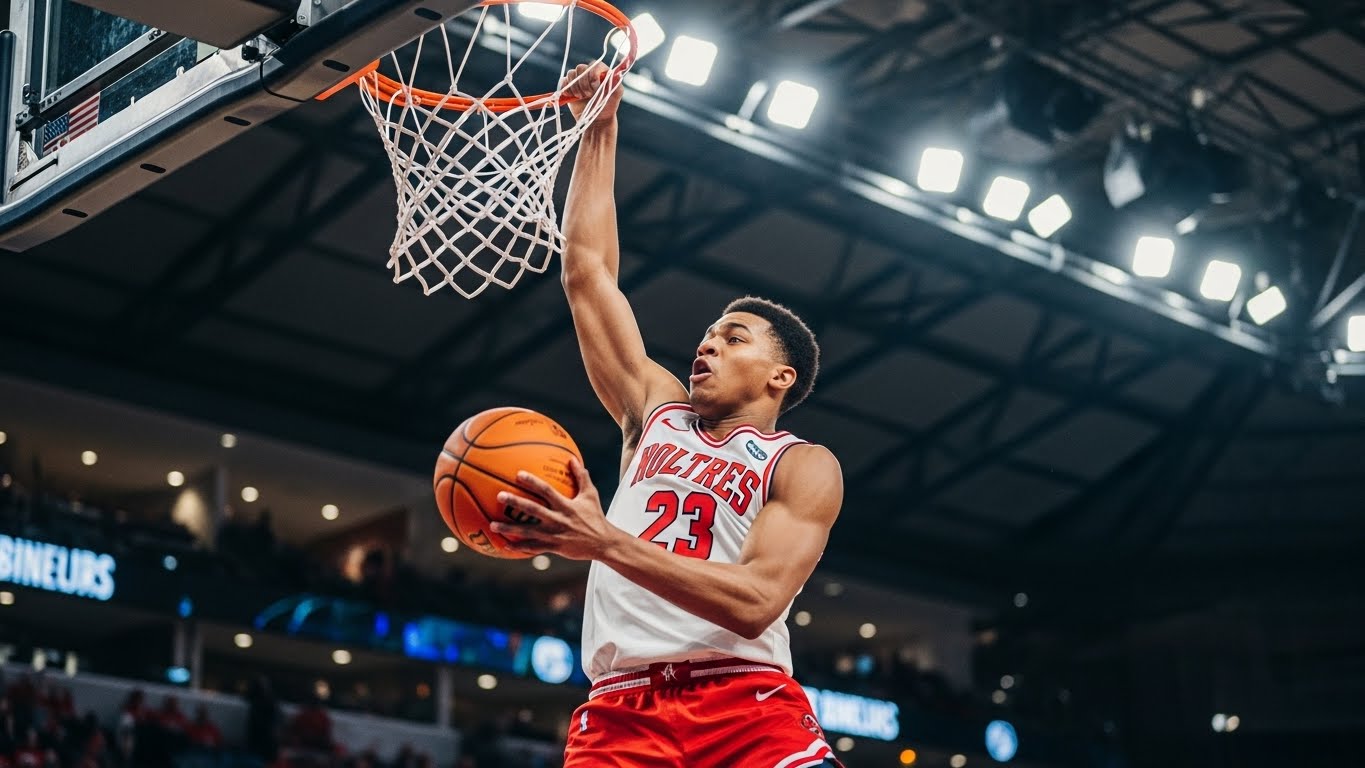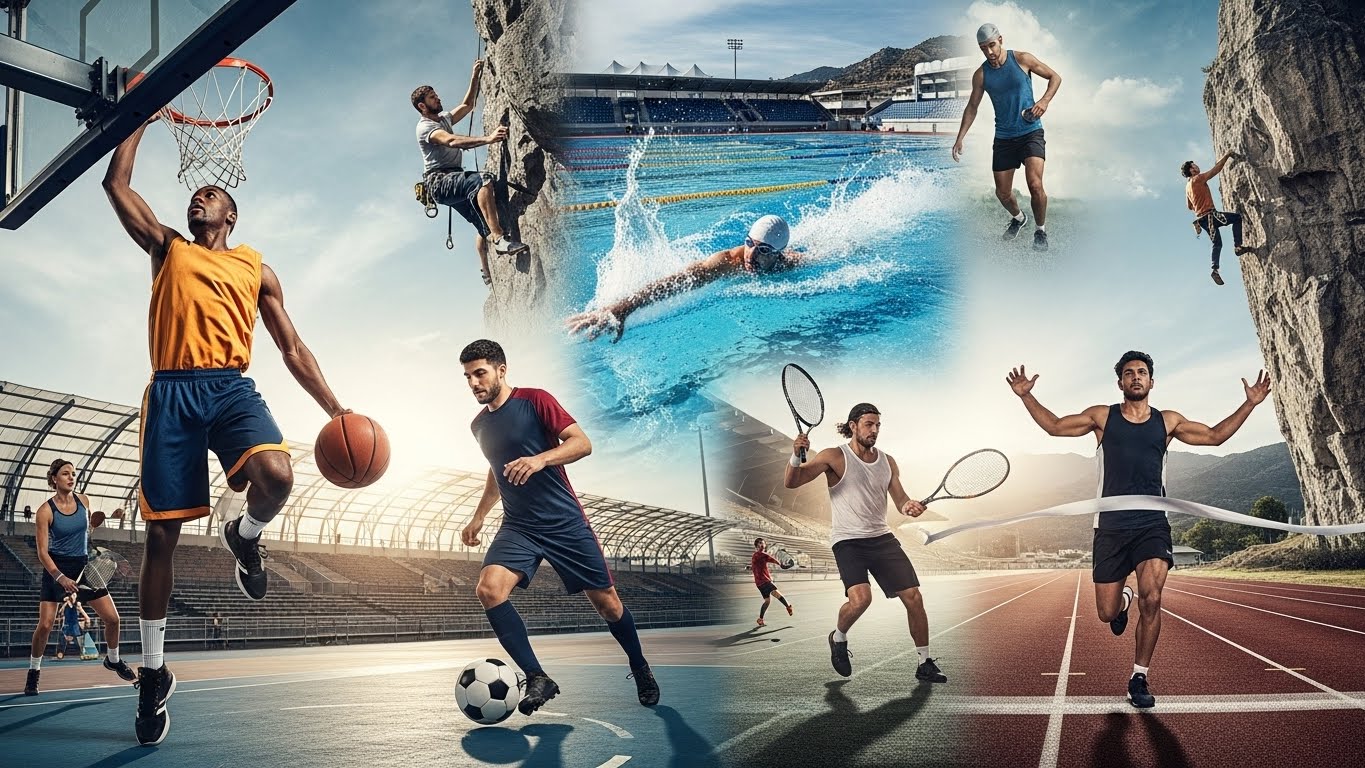
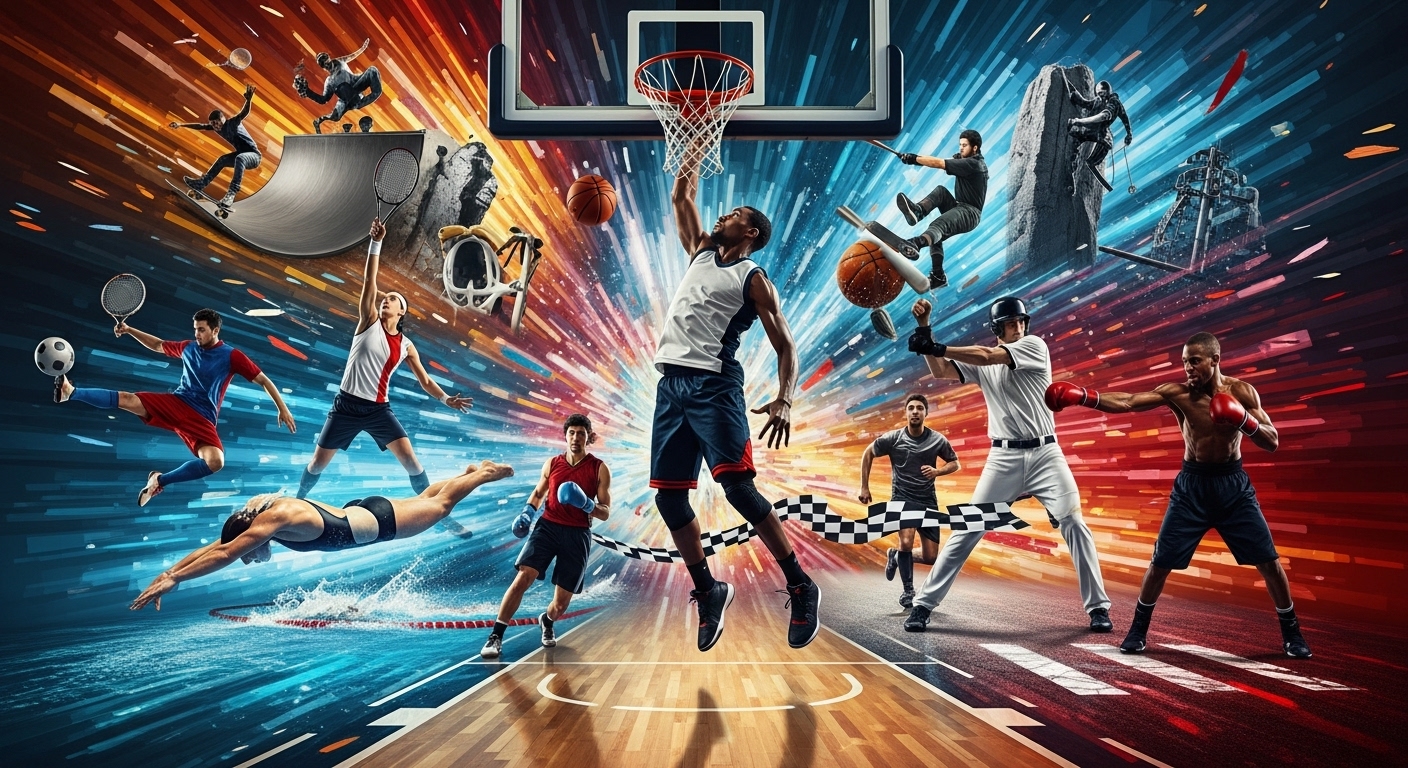
Sports are often viewed merely as entertainment or physical activity. However, they transcend the boundaries of a simple game and play a far more profound role in shaping our lives and minds. The impact of sports goes well beyond the scoreboard or the final whistle; it influences our emotions, our values, and even our personal identities. Whether you’re an athlete or a fan, sports leave an indelible mark on the way we approach challenges, connect with others, and view the world. In this post, we’ll explore the powerful ways in which sports shape us, not just as spectators, but as human beings.
The Psychological Impact: More Than Just Winning
When we think of sports, winning often takes center stage. However, the mental and psychological benefits that come from participating or even watching a game are just as important. For athletes, the experience of competition is an opportunity to push boundaries, test personal limits, and develop resilience. It’s about learning how to deal with failure, embrace discipline, and foster determination.
For fans, sports can provide an emotional outlet, offering a sense of belonging and an opportunity to experience joy, frustration, hope, and pride. The psychological connection to sports allows us to step away from the stresses of everyday life and invest our energy into something that feels larger than ourselves. This is especially true for team sports, where communities unite behind their athletes, creating shared experiences that transcend the individual.
Building Character Through Adversity
Sports are unique in their ability to teach us the importance of adversity. Every athlete, regardless of skill level, faces setbacks, losses, and challenges. But it is through these struggles that athletes build character. The pursuit of excellence is rarely linear; it’s filled with moments of doubt, frustration, and failure. However, it is how athletes respond to these moments that defines them.
The beauty of sports lies in the fact that success is not handed to anyone; it is earned through hard work, persistence, and a willingness to adapt. It teaches us that failure is not the end but merely a stepping stone toward growth. This mindset of resilience extends far beyond the playing field and influences how athletes handle challenges in their personal and professional lives.
Sports as a Tool for Social Change
Sports have long been at the forefront of social movements and cultural shifts. From Muhammad Ali’s stand against the Vietnam War to Jackie Robinson breaking the color barrier in baseball, athletes have used their platforms to challenge social norms and bring attention to important issues. In this way, sports serve as a powerful tool for social change, offering a unique platform to voice opinions, break down barriers, and promote equality.
Moreover, sports provide a common ground for people from different backgrounds and cultures to come together. In a world often divided by race, religion, or politics, sports can unite people in ways that few other things can. Whether it’s through international events like the Olympics or local games in small communities, sports create connections that transcend differences, highlighting our shared humanity.
The Importance of Teamwork and Collaboration
One of the most important life lessons that sports teach is the value of teamwork. In both individual and team sports, athletes must collaborate with others to achieve a common goal. For team sports in particular, the success of the group relies on each member’s contribution. This teaches the value of communication, trust, and mutual respect.
In the workplace or in daily life, we encounter many situations where teamwork is crucial. The skills developed through sports—problem-solving under pressure, collaboration, and supporting others—are directly transferable to professional and personal settings. The ability to work together toward a shared objective is a fundamental aspect of human interaction, and sports provide a practical and enjoyable way to hone these skills.
The Global Language of Sports
Sports, unlike most forms of entertainment, have a universal language. No matter where you are in the world, the excitement of a game, the thrill of a goal, or the intensity of a match can be understood by people from any culture. This makes sports a powerful tool for global connection. Events like the FIFA World Cup or the Olympics bring people together from across the globe to celebrate competition, camaraderie, and the pursuit of excellence.
The shared passion for sports allows us to transcend borders and language barriers. In stadiums, living rooms, and sports bars around the world, fans come together to celebrate victories, mourn defeats, and experience the highs and lows that come with the unpredictability of sports. This global unity is one of the most powerful aspects of sports and reminds us that, regardless of our differences, we all share a common love for the game.
Fostering Health and Wellness
While the mental and emotional benefits of sports are well-known, the physical benefits cannot be overlooked. Engaging in sports is one of the most effective ways to maintain a healthy lifestyle. Regular physical activity improves cardiovascular health, increases strength, enhances flexibility, and boosts overall well-being.
Sports also promote discipline and routine. Athletes must train regularly, follow a specific diet, and maintain a consistent schedule. This structure not only benefits their athletic performance but also enhances their overall health. Moreover, sports help in building a lifelong habit of fitness, encouraging people to stay active throughout their lives.
Conclusion: Sports as a Reflection of Life
In many ways, sports are a mirror of life itself. They embody the essence of struggle, triumph, failure, and success. They teach us how to handle adversity, how to celebrate victories, and how to learn from our mistakes. Beyond the excitement of the game, sports influence our values, mental resilience, social connections, and physical health.
Whether we’re playing the game, cheering from the sidelines, or simply watching it unfold on screen, sports provide us with stories that resonate deeply within us. They challenge us to be better, not just as athletes, but as individuals. In the end, sports are not just about competition—they’re about growth, connection, and the shared human experience.
So, the next time you watch a game or lace up your sneakers to play, remember: sports are more than just a way to pass the time. They are a reflection of life itself, shaping our minds, bodies, and spirits in ways we often overlook.