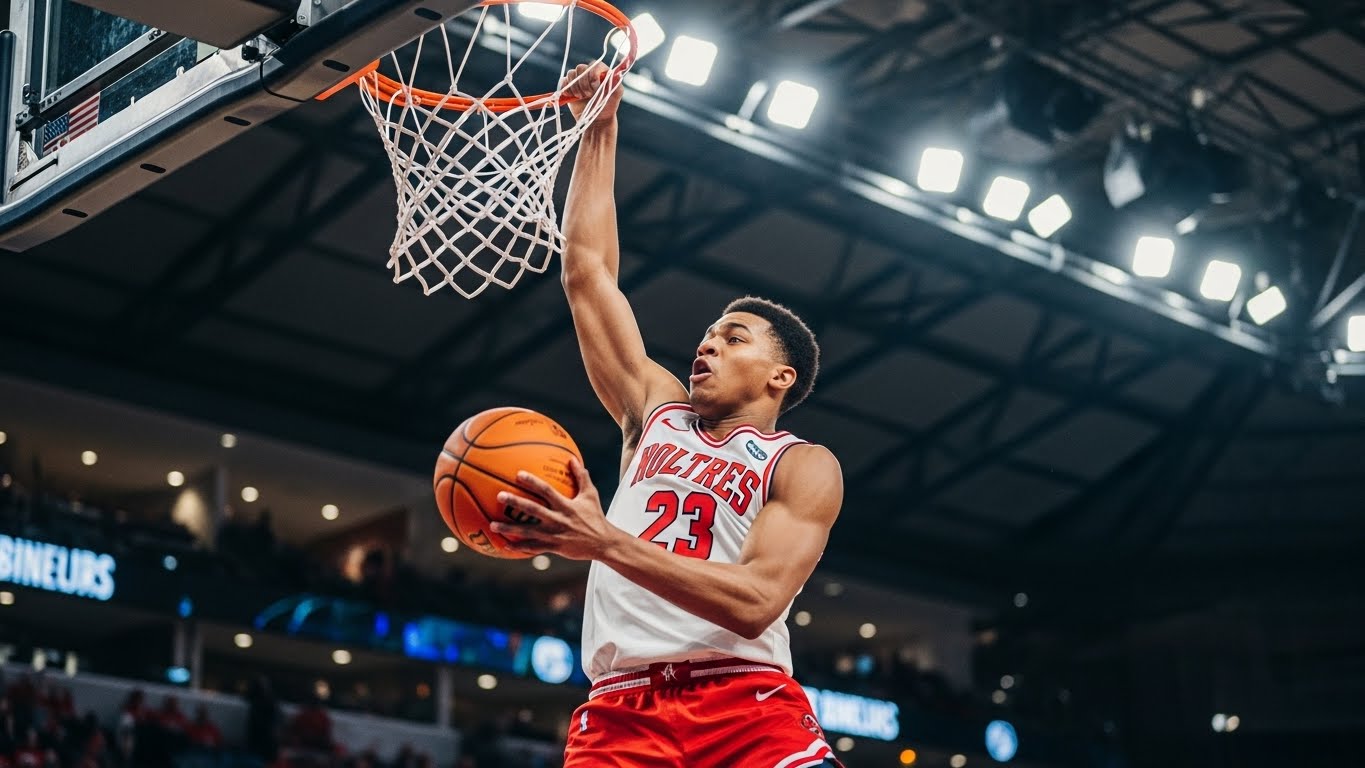

Sports have always been a universal language that transcends boundaries, whether geographic, cultural, or linguistic. From a simple game played on a dusty field to grand spectacles like the Olympics, the world of sports has an undeniable impact on individuals and societies alike. In this blog post, we’ll explore how sports are more than just physical activities—they have the power to change lives, unite people, and shape cultures.
The Cultural Significance of Sports
In many cultures, sports are a reflection of the community’s values, traditions, and identity. Whether it’s soccer in Europe, cricket in South Asia, or basketball in the U.S., these games aren’t just pastimes; they’re a way to bond with others, express national pride, and even overcome adversity. For many, sports offer a shared experience, a moment of joy that can bring together families, neighborhoods, and even entire countries. It’s in this unity where the real magic of sports happens.
Health Benefits: More Than Just Fitness
On a physical level, sports are often associated with fitness and wellness, but their benefits extend far beyond the gym. Regular participation in sports helps in developing cardiovascular health, muscle strength, coordination, and flexibility. However, the mental benefits are equally impressive. Studies have shown that physical activity can improve mood, reduce stress, and boost mental clarity. Sports also teach valuable life skills such as discipline, time management, and perseverance.
The Impact on Youth Development
For young people, sports can be a crucial tool in their personal development. From building teamwork skills to teaching the importance of hard work and resilience, sports are instrumental in shaping character. Coaches often play a significant role in mentoring young athletes, teaching them life lessons that extend beyond the game itself. For some, sports provide an avenue for education, with scholarships and opportunities to attend universities or even pursue professional careers.
Sports as a Global Connector
One of the most extraordinary things about sports is its ability to connect people across the world. No matter where you are, whether you’re watching the FIFA World Cup, the Super Bowl, or the Tour de France, sports have a way of bridging divides and creating shared experiences. The excitement of a close match, the thrill of victory, or the agony of defeat are universal emotions that everyone can relate to. Through international competitions, sports break down cultural barriers and create friendships that might never have formed otherwise.
The Power of Inspiration
Athletes, whether famous or not, have the power to inspire others. Think of Muhammad Ali’s fight for social justice, Serena Williams’ dominance in tennis, or Michael Jordan’s incredible work ethic. These individuals not only excel in their respective sports but also use their platforms to encourage others to follow their dreams, overcome obstacles, and push the boundaries of what’s possible. The influence of sports figures often goes beyond the game, and their stories can resonate deeply, sparking hope and ambition in people from all walks of life.
The Role of Technology in Modern Sports
As technology continues to advance, the world of sports is evolving rapidly. From enhanced performance analytics to virtual reality training simulations, technology is taking the sports industry to new heights. Devices like fitness trackers and smart sports equipment help athletes monitor their progress and fine-tune their performance. Meanwhile, technology also improves how fans engage with their favorite sports, offering new ways to watch, interact, and even participate in events.
Sports: A Gateway to Social Change
Beyond entertainment and personal growth, sports also serve as a powerful tool for social change. Whether it’s raising awareness about racial injustice or highlighting important issues like gender equality or mental health, athletes have historically used their platform to advocate for a better world. The refusal to play due to protests, such as the “Black Lives Matter” movement or athletes standing up for LGBTQ+ rights, shows the potential of sports as a catalyst for societal transformation.
Conclusion: Why Sports Matter More Than Ever
Sports are not just games. They are an embodiment of human spirit, creativity, and resilience. From improving physical and mental health to uniting nations, sports have a profound and lasting impact on individuals and society as a whole. Whether you’re an athlete, a fan, or someone who simply enjoys watching, it’s easy to see why sports are so much more than just a pastime. They inspire, connect, challenge, and empower—making them an integral part of our global culture.
Let’s continue to appreciate sports not just as entertainment but as a force for good, capable of transforming lives, fostering connections, and shaping a better future.