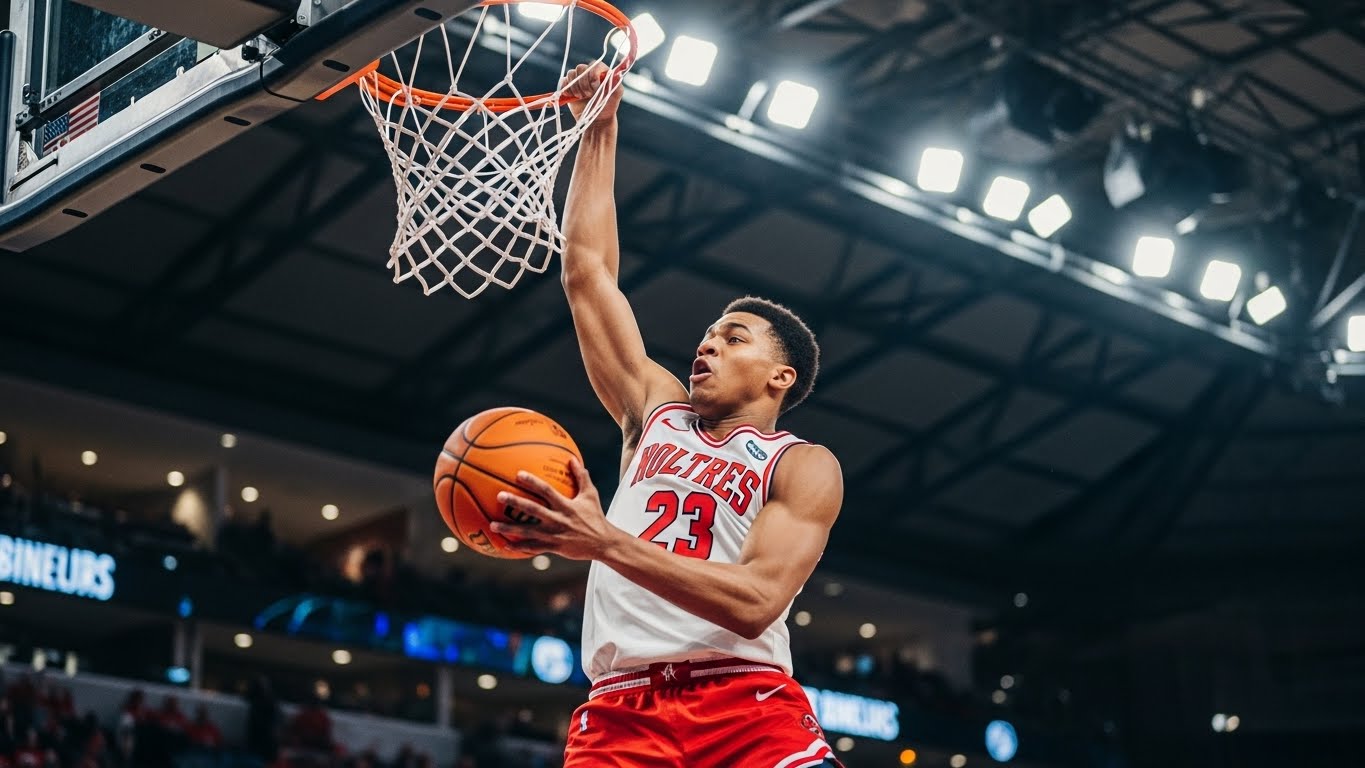

Sports have always played a significant role in human society. From the early days of civilization to the modern world, they have been more than just a form of entertainment or physical activity. They are a reflection of culture, a way to build character, and a medium that unites people across borders. Whether you are a professional athlete, an avid fan, or someone who enjoys casual participation, sports have a universal appeal that transcends age, gender, and geography. In this article, we will explore the multifaceted world of sports, covering its history, types, benefits, cultural impact, and more.
The History of Sports
The history of sports dates back thousands of years. Evidence of physical competitions can be traced to ancient civilizations. The Greeks, for instance, established the Olympic Games in 776 BC, a tradition that continues today, inspiring millions around the world. These early competitions were not merely about physical prowess; they were also a display of mental discipline, strategy, and honor. Ancient Egypt, Mesopotamia, and China also had various forms of sports, often tied to religious rituals or military training. Over time, sports evolved into organized activities with set rules, formal competitions, and international recognition.
Types of Sports
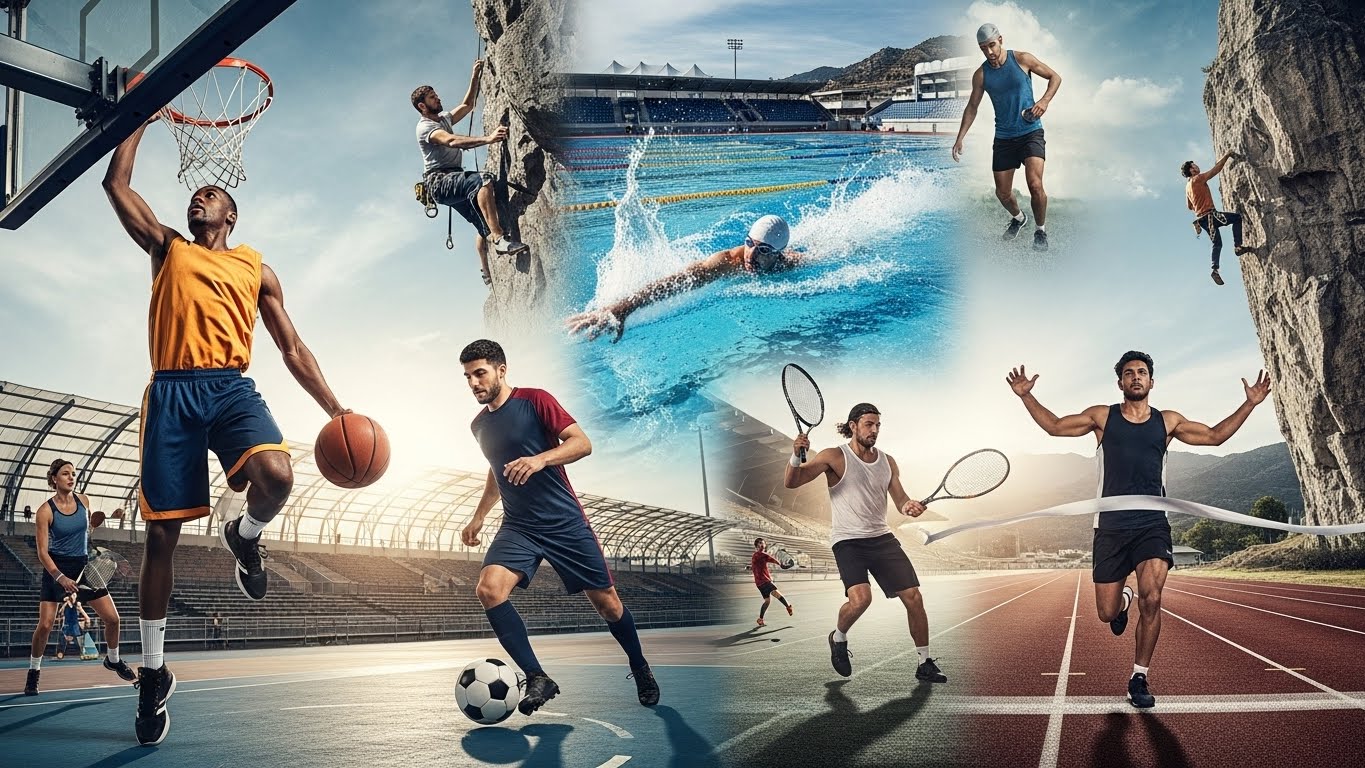
Sports can be classified into several categories based on the skills they require, the equipment used, and the environment in which they are played. The main categories include team sports, individual sports, adventure sports, and mind sports. Team sports, such as football, basketball, and cricket, emphasize cooperation, communication, and strategic planning. Individual sports, including tennis, athletics, and swimming, focus on personal skill, endurance, and mental strength. Adventure sports like rock climbing, paragliding, and surfing challenge participants to overcome fear and physical limits. Mind sports, such as chess and e-sports, test mental agility, decision-making, and strategic thinking. Each type of sport has its unique appeal, attracting participants and spectators for different reasons.
The Physical Benefits of Sports
Engaging in sports offers numerous physical benefits. Regular participation in sports improves cardiovascular health, strengthens muscles, and enhances flexibility. It can also help in maintaining a healthy weight, boosting energy levels, and improving overall physical fitness. Sports encourage proper body mechanics, balance, and coordination. Athletes often experience higher levels of stamina and endurance due to consistent training. Moreover, sports play a significant role in preventing lifestyle-related diseases such as obesity, diabetes, and hypertension. By promoting a healthy and active lifestyle, sports contribute to long-term physical well-being.
Mental and Emotional Benefits
The impact of sports goes beyond physical health. They are instrumental in developing mental and emotional resilience. Engaging in sports improves focus, concentration, and decision-making abilities. It also reduces stress and anxiety by triggering the release of endorphins, often referred to as the “feel-good” hormones. Participation in sports builds confidence, self-discipline, and perseverance. Athletes learn to cope with both victories and defeats, developing a balanced and mature outlook on life. Team sports foster social interaction and collaboration, enhancing communication skills and emotional intelligence. Overall, sports provide a holistic approach to mental and emotional wellness.
Sports and Social Integration
Sports have the unique power to bring people together, bridging cultural, social, and economic divides. Major international events, such as the Olympics, FIFA World Cup, and cricket tournaments, unite nations and promote cross-cultural understanding. Local sports leagues and community events provide opportunities for social engagement and foster a sense of belonging. Sports clubs and organizations often serve as platforms for mentoring, leadership development, and community service. By promoting teamwork and mutual respect, sports contribute significantly to social cohesion and integration.
The Role of Sports in Education
In educational settings, sports play a crucial role in the development of students. Schools and colleges incorporate sports programs to encourage physical activity, discipline, and healthy competition. Participation in sports complements academic learning by teaching time management, goal setting, and perseverance. Student-athletes often develop leadership skills, resilience, and teamwork abilities that are transferable to professional and personal life. Sports also provide an avenue for scholarships, recognition, and career opportunities, motivating students to excel both on and off the field.
Professional Sports and Career Opportunities
The world of professional sports offers numerous career opportunities. Athletes can pursue careers as players, coaches, trainers, and sports managers. The sports industry also includes careers in sports medicine, physiotherapy, nutrition, journalism, broadcasting, and event management. With the growth of sports leagues, tournaments, and international competitions, the demand for skilled professionals has increased significantly. Professional sports not only provide financial rewards but also fame and recognition. They inspire aspiring athletes to push their limits and achieve excellence.
Technology and Innovation in Sports
Technology has revolutionized the way sports are played, viewed, and analyzed. Innovations in equipment, apparel, and training techniques have enhanced performance and safety. Wearable devices track heart rate, distance, and calories burned, helping athletes optimize their training. Video analysis and data analytics allow coaches to study player performance and devise effective strategies. Virtual reality and augmented reality technologies are increasingly being used for simulation-based training. Broadcasting innovations, including live streaming and high-definition coverage, have transformed the way fans experience sports. Technology has truly elevated sports to a new level, making them more dynamic, engaging, and accessible.
Women in Sports
The participation of women in sports has grown significantly over the years. Breaking societal barriers, female athletes have excelled in various disciplines, achieving remarkable milestones. Women’s sports leagues, championships, and international events have gained widespread recognition, inspiring future generations. Female athletes serve as role models, promoting equality, empowerment, and perseverance. Despite challenges such as unequal pay, limited exposure, and societal biases, women continue to make significant contributions to sports, demonstrating skill, dedication, and resilience.
Sports and Cultural Significance
Sports hold deep cultural significance across the globe. They often reflect societal values, traditions, and historical contexts. Certain sports are closely associated with national identity, such as baseball in the United States, cricket in India, and sumo wrestling in Japan. Festivals, rituals, and community gatherings often incorporate sports as a central element. Sports also influence popular culture, including movies, literature, and art. They inspire creativity, storytelling, and collective memory. By preserving traditions and fostering cultural pride, sports play an essential role in shaping societal narratives.
Challenges in the World of Sports
Despite their many benefits, sports face several challenges. Issues such as doping, corruption, match-fixing, and exploitation of athletes undermine the integrity of sports. Injuries and physical strain are common risks, especially in high-impact or extreme sports. Gender inequality, lack of access, and limited resources in certain regions hinder participation. The commercialization of sports sometimes prioritizes profit over ethics, overshadowing the spirit of fair play. Addressing these challenges requires concerted efforts from governing bodies, athletes, coaches, and communities to ensure that sports remain a positive and empowering force.
The Future of Sports
The future of sports looks promising, driven by innovation, inclusivity, and global connectivity. Emerging trends such as e-sports, adaptive sports for differently-abled individuals, and sustainability initiatives are reshaping the landscape. Sports organizations are increasingly emphasizing mental health, well-being, and ethical practices. International collaborations and grassroots programs are expanding access to sports worldwide. Technology will continue to enhance performance, fan engagement, and analytics. The future of sports lies in creating a balanced ecosystem where excellence, integrity, and enjoyment coexist.
How to Get Started in Sports
For anyone looking to get involved in sports, the first step is to identify interests and strengths. Whether it’s a team sport, an individual discipline, or an adventurous activity, choosing the right sport can enhance enjoyment and motivation. Consistent practice, proper coaching, and a focus on physical fitness are essential for improvement. Setting achievable goals, maintaining a balanced diet, and prioritizing rest are crucial for long-term success. Joining local clubs, participating in community events, and seeking mentorship can provide guidance and encouragement. Remember, sports are not just about winning; they are about growth, learning, and enjoyment.
Sports as a Lifestyle
Beyond competition and recreation, sports can be embraced as a lifestyle. Incorporating physical activity into daily routines, engaging in recreational sports, and following favorite teams or athletes can enhance overall well-being. Sports foster discipline, resilience, and a positive mindset that can extend to personal and professional life. They encourage a sense of community, provide motivation, and promote holistic health. Making sports a part of life ensures that individuals remain active, engaged, and inspired throughout their journey.
Conclusion
Sports are far more than a pastime; they are an essential aspect of human life, encompassing physical health, mental well-being, social integration, and cultural expression. They teach invaluable life lessons, foster unity, and inspire generations. From the ancient Olympic Games to modern professional leagues, sports have continuously evolved, adapting to new challenges and opportunities. By participating in sports, supporting athletes, and appreciating the values they embody, we contribute to a world that celebrates excellence, perseverance, and the joy of movement. Embracing sports in everyday life not only enhances our health but also enriches our experiences, relationships, and outlook on life.