Sport is an essential part of the human experience, bridging gaps across cultures, countries, and communities. Whether it’s the thrill of a football match or the personal satisfaction of completing a marathon, sport offers benefits that extend far beyond just physical activity. It unites people, creates lasting memories, builds character, and fosters global connections. In a world that is increasingly fragmented by political, economic, and social divisions, sport remains one of the few universal languages that can bring people together. This blog explores the profound impact of sport, focusing on its ability to shape individuals and communities, promote mental and physical health, and create social change.
The Power of Sport to Unite
One of the most striking characteristics of sport is its ability to transcend barriers. It unites people from different races, backgrounds, and nationalities under a common banner of competition and passion. Whether it’s a local game played in a community park or a global event like the FIFA World Cup or the Olympics, sport serves as a powerful force that brings together people from all walks of life.
Sports events offer a platform where differences are put aside, and individuals work toward a shared goal. On the field, the only thing that matters is performance; political, social, and economic differences are forgotten for the duration of the game. This temporary unity can lead to a sense of camaraderie, understanding, and respect between people who might otherwise never meet or interact.
At the international level, sporting events such as the Olympics allow countries from around the world to come together, celebrate diversity, and show respect for each other’s cultures. The Olympics are more than just a competition—they are a demonstration of how sport can unite the world. The values of friendship, excellence, and respect that the Olympics promote resonate with people across different cultures, demonstrating how sport can bring about a sense of shared humanity.
This unifying power is not limited to major events. In local communities, sports teams and clubs serve as focal points for social cohesion. Youth leagues, adult recreational teams, and fitness groups provide opportunities for people to connect, regardless of their background. By participating in or supporting a local sports team, people forge relationships with others who share their love for the game, thus strengthening community bonds and enhancing social capital.
The Mental and Physical Health Benefits of Sport
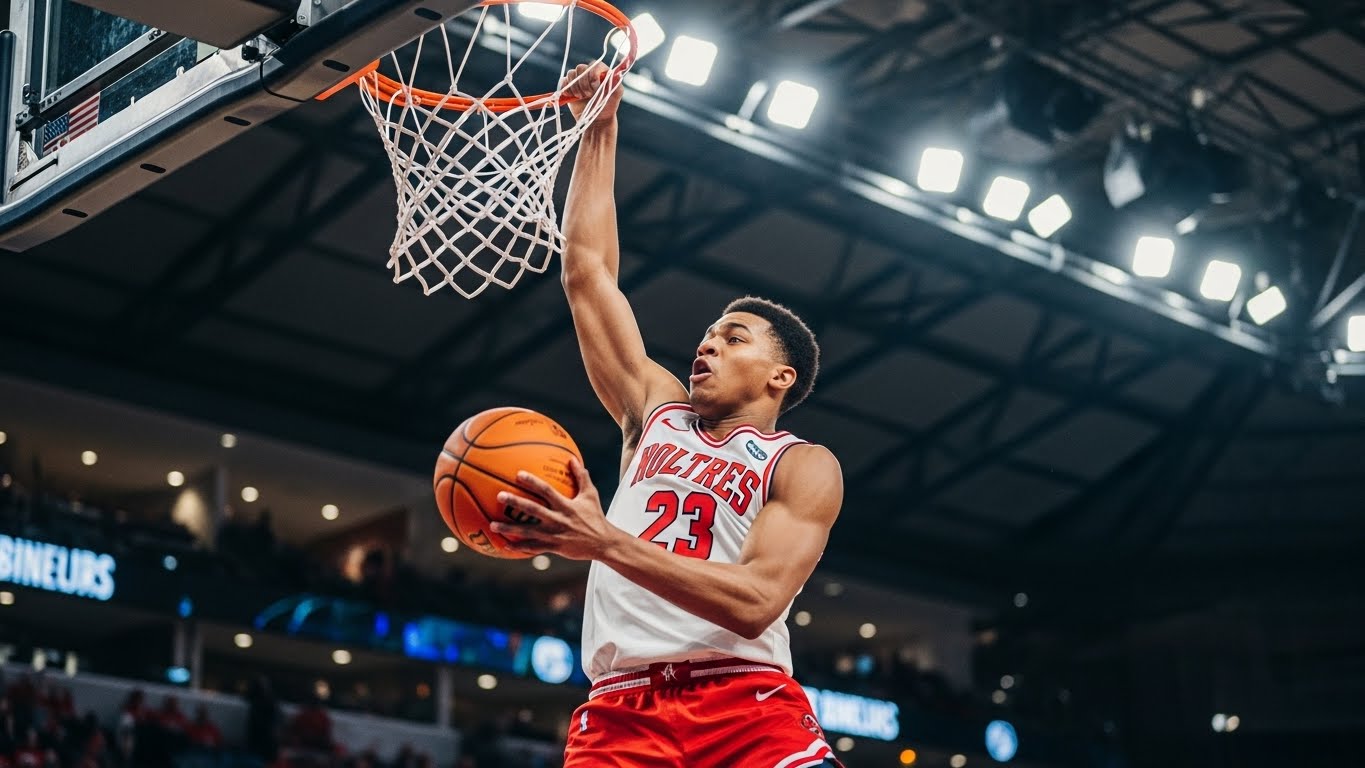
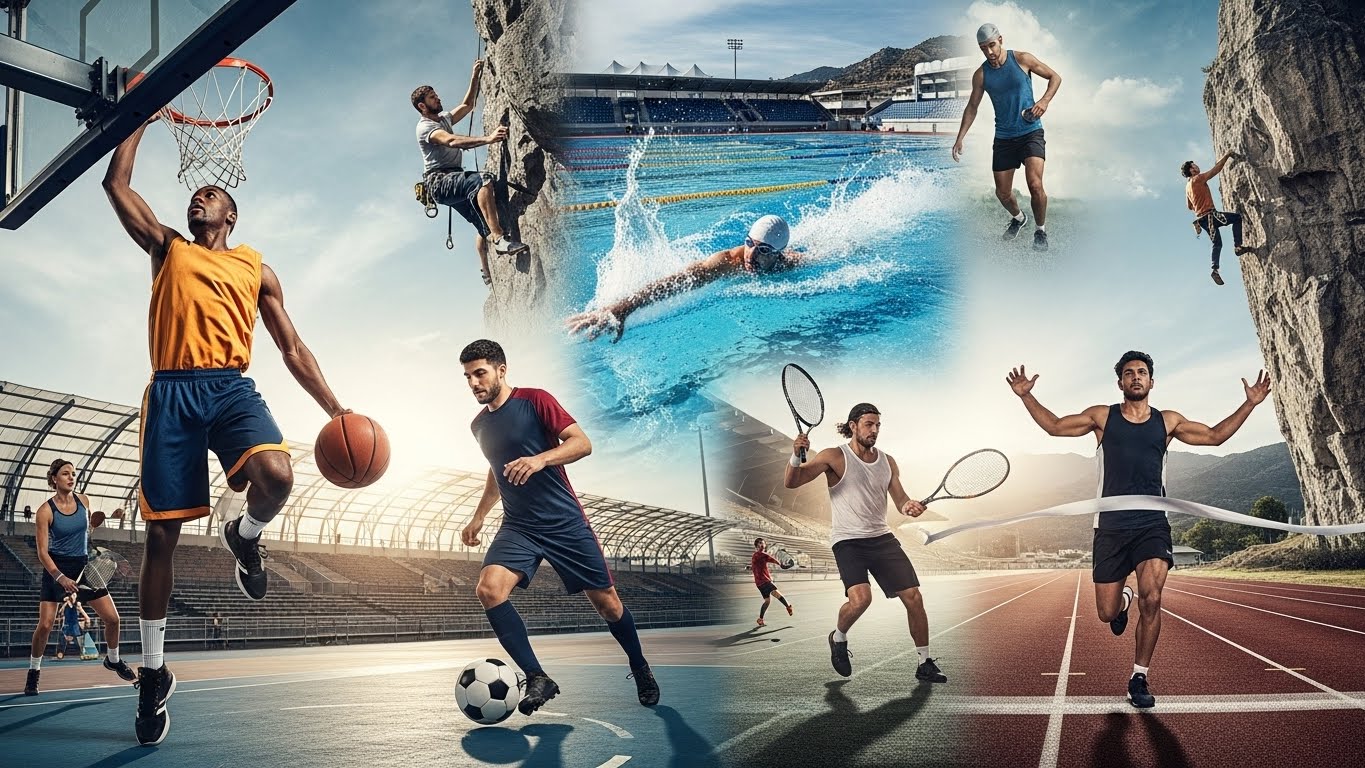
Sport is undeniably beneficial for physical health, and its positive effects on the body are widely known. Regular participation in sports helps to improve cardiovascular health, build muscle strength, increase flexibility, and maintain a healthy weight. Whether it’s a high-impact sport like basketball or a low-impact activity like swimming, engaging in physical activity helps to reduce the risk of chronic diseases such as diabetes, heart disease, and certain types of cancer.
But sport is not just beneficial for physical health. It plays a crucial role in improving mental health and emotional well-being. Exercise, including participation in sports, triggers the release of endorphins, which are chemicals in the brain that act as natural mood lifters. These endorphins help reduce feelings of anxiety and depression, and they also promote a sense of calm and well-being. This is why many people turn to exercise or sport as a way to deal with stress, anxiety, or challenging emotional periods.
In addition to the mood-enhancing benefits, sport has been shown to improve cognitive function. Studies have found that regular physical activity boosts memory, focus, and concentration. This is particularly important for children and adolescents, as participating in sports can help improve academic performance by enhancing brain function and cognitive skills.
Sports also provide a sense of accomplishment and self-worth. The physical challenges of mastering a new skill or winning a match foster a sense of achievement and confidence. For many, the experience of pushing their physical and mental boundaries through sport results in higher self-esteem and a more positive outlook on life.
Sport also plays a key role in promoting social interaction and mental stimulation. Team sports, in particular, provide opportunities for individuals to engage in social interaction, practice communication skills, and work as part of a team. These interactions foster a sense of belonging, reduce feelings of isolation, and enhance emotional well-being.
Building Character Through Sport
Sport teaches some of life’s most important lessons. It encourages values such as discipline, teamwork, perseverance, and respect for others. Whether it’s through an individual pursuit or a team-based activity, sport helps to shape character in profound ways.
One of the most important lessons sport imparts is discipline. Achieving success in sports requires commitment, hard work, and the willingness to make sacrifices. Athletes must adhere to rigorous training schedules, follow dietary plans, and push their bodies beyond their limits to reach peak performance. This level of discipline translates into other areas of life, helping individuals develop a strong work ethic and the ability to stay focused on long-term goals.
Perseverance is another essential quality that sport nurtures. Every athlete, at some point, faces setbacks—whether it’s a loss in a competition, an injury, or personal failure. However, sport teaches individuals to overcome obstacles and never give up. Resilience—the ability to bounce back from adversity—is a critical skill that athletes develop over time. This mindset, often forged in the heat of competition, becomes valuable in life’s many challenges, whether in personal relationships, academics, or professional endeavors.
Teamwork is an essential aspect of many sports, and it plays a major role in character development. In team sports, individuals must learn to cooperate with others, communicate effectively, and work together toward a common goal. These experiences teach empathy, understanding, and the ability to handle interpersonal conflicts, which are crucial in any social setting. Athletes also learn how to lead, whether it’s by example or through direct communication, helping to foster leadership skills that extend beyond the sports field.
Respect is another vital lesson that sport teaches. Athletes must respect their coaches, teammates, opponents, and officials. They learn the value of fair play and sportsmanship, understanding that the spirit of competition is about more than just winning—it’s about competing with integrity and fairness. These lessons of respect can positively impact individuals’ personal and professional relationships, contributing to a more harmonious and respectful society.
Sport as a Catalyst for Social Change
Sport has the power to drive social change and empower marginalized groups. Historically, many athletes have used their platform to advocate for social justice and equality. The civil rights movement in the United States, for example, was supported by athletes like Muhammad Ali and Jackie Robinson, whose actions challenged the status quo and paved the way for future generations of activists.
Today, sports continue to play an important role in advocating for equality and social change. The rise of women’s sports, the movement for racial equality in athletics, and the inclusion of athletes with disabilities are all examples of how sport has been a driving force in promoting social justice. For instance, women’s soccer has gained significant attention in recent years, with athletes like Megan Rapinoe and Alex Morgan becoming global icons for their performance on the field and their advocacy for gender equality. Their success has helped break down barriers for women in sports, inspiring future generations to pursue their athletic dreams.
Similarly, the Paralympic Games provide a platform for athletes with disabilities to showcase their skills and abilities, promoting inclusivity and changing perceptions about disability. By highlighting the talents of these athletes, sport is challenging societal attitudes and pushing for greater acceptance and opportunities for people with disabilities.
Moreover, sport has become an important tool for promoting peace and resolving conflict. Organizations such as Peace and Sport use the universal appeal of sport to bring together individuals from different backgrounds and regions affected by conflict. Sport offers a non-political space where people can unite, build trust, and work toward a common goal, even in the most difficult and divided regions. This makes sport a powerful tool for diplomacy and international cooperation.
The Economic Impact of Sport
While the physical, emotional, and social benefits of sport are often the focus, it’s also important to consider the significant economic impact that sport has on both local and global economies. Major sporting events like the Olympics and the FIFA World Cup generate billions of dollars in revenue through ticket sales, merchandise, media rights, and tourism. These events create jobs, stimulate local businesses, and boost the economy of the host country or city.
Sport also plays a key role in the day-to-day economy. Professional sports teams employ thousands of individuals in a variety of roles, including coaches, athletes, managers, support staff, and marketing teams. Beyond the athletes themselves, there is a vast network of people working behind the scenes to make sports events happen. These jobs contribute to economic growth and help support local communities.
Furthermore, sport has a growing influence on the global media landscape. The rise of digital platforms and the expansion of streaming services have made sports more accessible than ever before, creating new business opportunities in broadcasting, digital content creation, and online sports betting. The increasing commercialization of sport has transformed it into a multi-billion-dollar industry, with companies and brands eager to align themselves with the global appeal of sport.
The Future of Sport: Diversity, Technology, and Sustainability
The future of sport looks incredibly promising. As we move further into the 21st century, technology is set to play an increasingly important role in the world of sport. From virtual reality training systems to advanced performance analytics, technological innovations are making it easier for athletes to enhance their skills, track their progress, and push the boundaries of human performance. In addition, technology is making sports more accessible to fans, with live-streaming services, social media platforms, and mobile apps bringing fans closer to the action.
Another exciting development in the future of sport is the continued emphasis on diversity and inclusivity. The ongoing efforts to promote women’s sports, adapt sports for athletes with disabilities, and provide equal opportunities for athletes of all backgrounds will continue to transform the landscape of athletics. Sport has the potential to be a unifying force in promoting gender equality, racial equality, and social justice, and the future looks bright in this regard.
Sustainability is another key focus for the future of sport. As the world becomes more conscious of environmental issues, sports organizations are increasingly adopting eco-friendly practices. From reducing the carbon footprint of major events to implementing sustainable design in sports facilities, there is a growing push to ensure that sport contributes to a greener, more sustainable world.
Conclusion
Sport is more than just a game—it is a transformative force that shapes individuals, communities, and societies. Whether through its ability to unite people, promote mental and physical health, build character, or drive social change, sport plays a vital role in our lives. It fosters a sense of belonging, encourages personal growth, and teaches important life lessons. As technology, diversity, and sustainability continue to shape the future of sport, one thing is certain: the power of sport to inspire, challenge, and unite will remain as strong as ever.