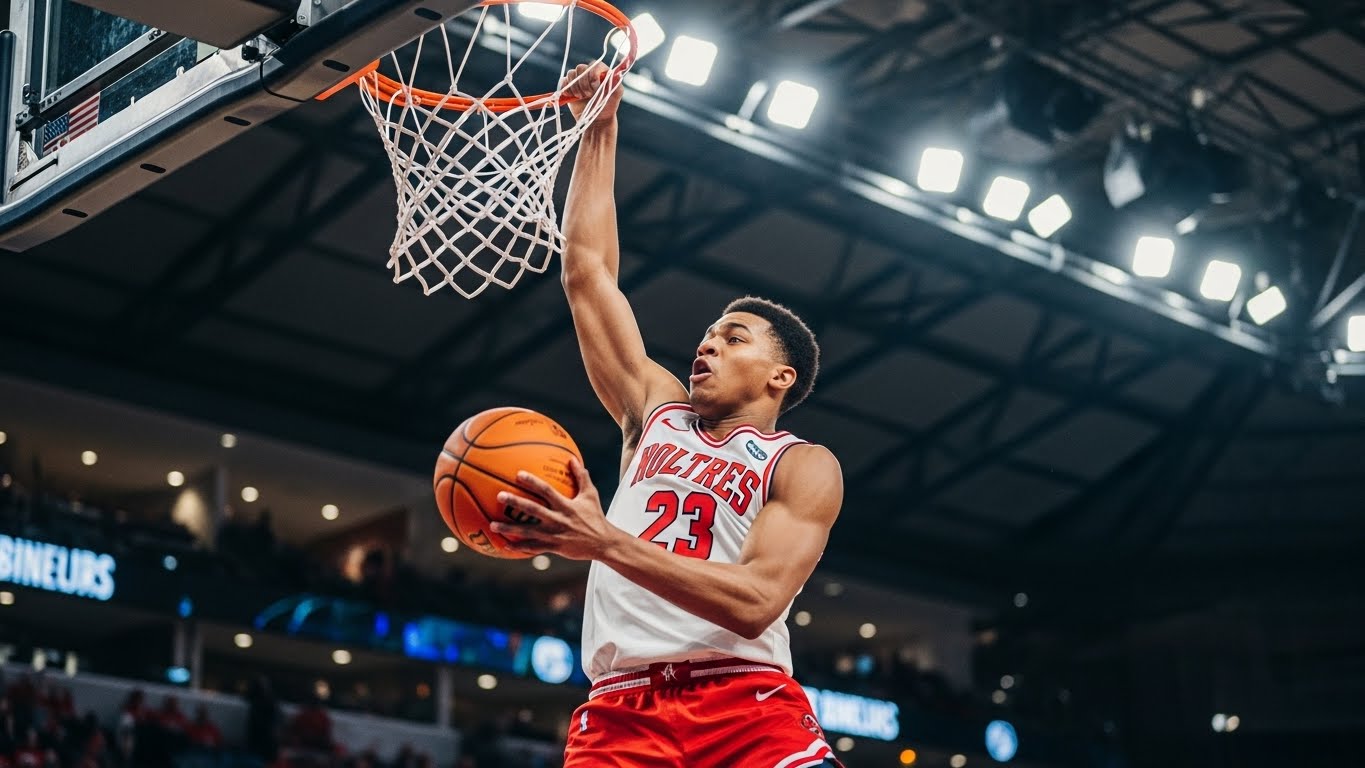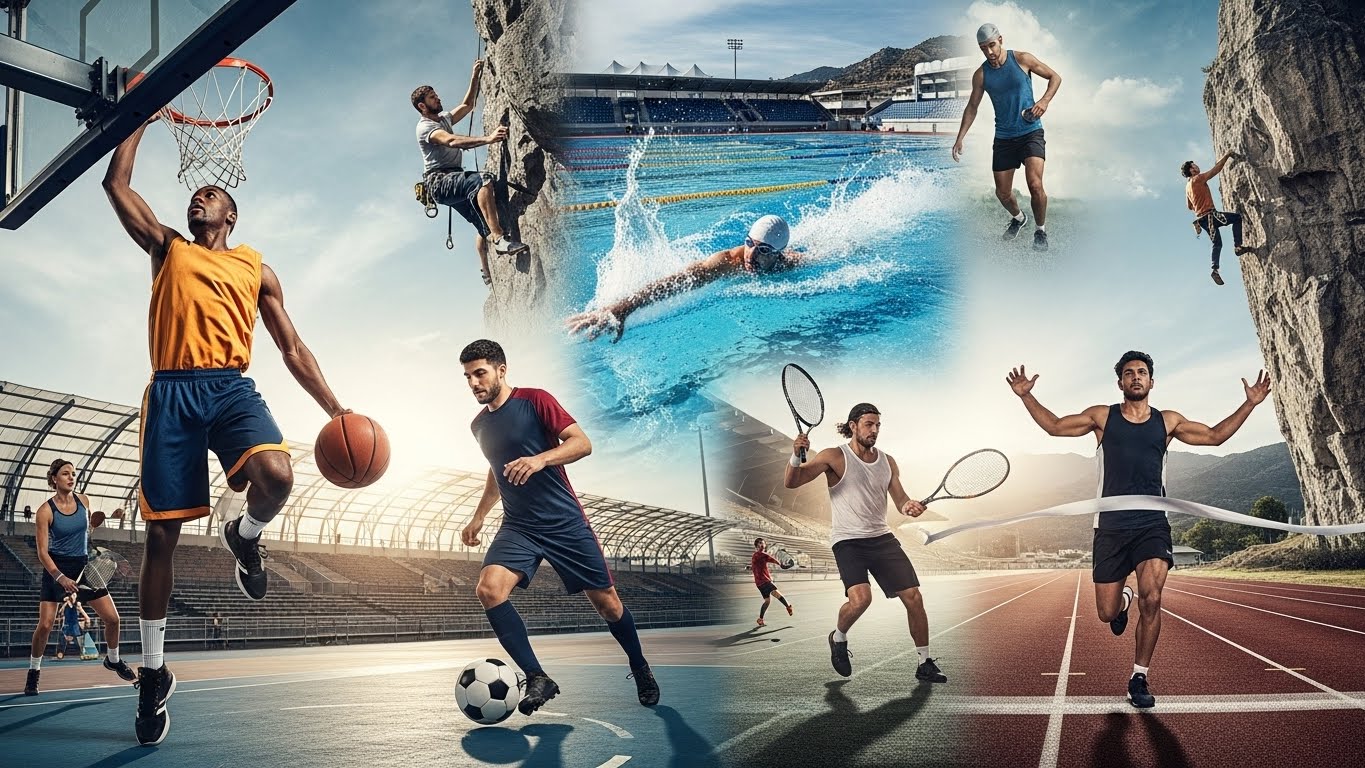
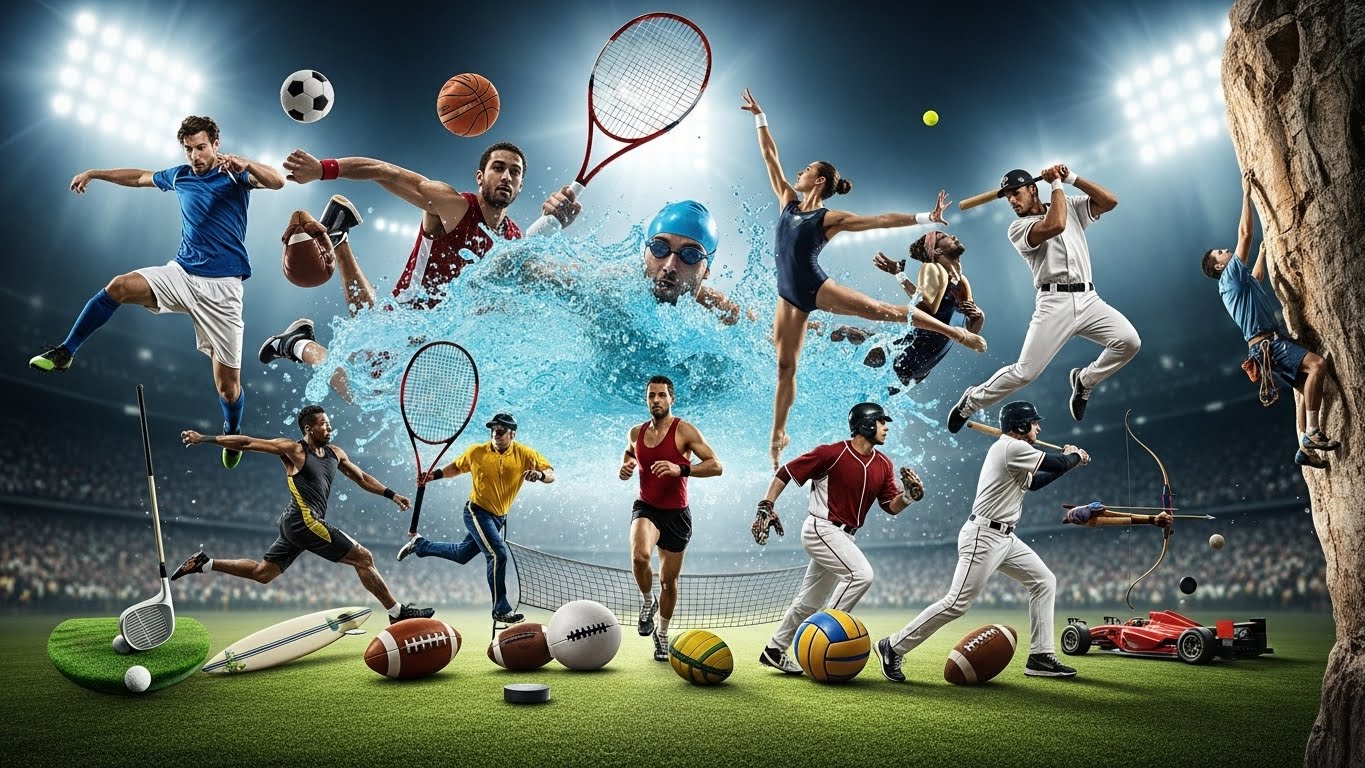
Sports have been an essential part of human civilization for centuries. From ancient Olympic competitions to modern professional leagues, sports have captivated audiences, inspired excellence, and fostered connections across cultures. They are not only a source of entertainment but also a vehicle for personal growth, social development, and cultural identity. In this blog, we will explore the evolution of sports, their impact on individuals and communities, and how they continue to influence modern society.
The History and Evolution of Sports
The origins of sports trace back to ancient civilizations where games and physical competitions were a way to celebrate strength, skill, and cultural identity. The ancient Greeks established the Olympic Games, a series of athletic contests that honored the gods and promoted excellence. Similarly, ancient China, Egypt, and Mesoamerican civilizations had their own forms of competitive sports and physical contests.
Over time, sports evolved into structured activities with formal rules, organized competitions, and global audiences. The 19th and 20th centuries saw the rise of modern sports such as football, basketball, baseball, and cricket, with professional leagues and international tournaments. Technology and media further expanded the reach of sports, allowing fans to follow their favorite teams and athletes in real time.
Today, sports encompass a wide range of activities, including team sports, individual competitions, extreme sports, and digital esports. Their evolution reflects humanity’s pursuit of excellence, entertainment, and community.
The Role of Sports in Physical Health
Sports play a crucial role in promoting physical health and well-being. Regular participation improves cardiovascular fitness, strengthens muscles, enhances flexibility, and supports mental health. Activities such as running, swimming, cycling, and team sports encourage active lifestyles and help prevent chronic diseases.
Sports also instill habits of discipline, consistency, and self-care. Athletes learn to balance training, nutrition, rest, and recovery to achieve optimal performance. These principles can benefit individuals in all walks of life, promoting long-term health and resilience.
Engaging in sports from a young age fosters lifelong fitness habits. Schools and community programs that encourage physical activity contribute to healthier populations and reduce the risk of obesity, heart disease, and other lifestyle-related conditions.
Sports and Mental Health
Beyond physical benefits, sports have a significant impact on mental health. Participation in sports reduces stress, improves mood, and enhances cognitive function. Physical activity stimulates the release of endorphins, which promote feelings of happiness and well-being.
Team sports offer additional mental health benefits by fostering social interaction, communication, and collaboration. Athletes develop resilience, confidence, and problem-solving skills as they navigate challenges and setbacks in competition.
Sports also provide a constructive outlet for emotions. Intense physical activity allows individuals to channel energy positively, reducing anxiety, frustration, and negative emotions. The mental and emotional benefits of sports contribute to overall quality of life.
Sports as a Tool for Social Development
Sports serve as a powerful tool for social development. They bring people together, bridge cultural and social divides, and foster a sense of community. From local leagues to international tournaments, sports create shared experiences that unite participants and spectators alike.
Community sports programs encourage teamwork, discipline, and leadership skills. They provide opportunities for youth to engage in positive activities, develop social skills, and build meaningful relationships. Sports programs in underprivileged areas can also offer pathways to education, mentorship, and personal growth.
Major sporting events, such as the Olympics and World Cup, celebrate diversity and promote international cooperation. They inspire global audiences to appreciate talent, perseverance, and the spirit of fair competition. Sports are not only about competition; they are about building communities and promoting social cohesion.
The Economic Impact of Sports
Sports are a major economic driver, contributing significantly to local and global economies. Professional leagues, tournaments, and sporting events generate revenue through ticket sales, broadcasting rights, sponsorships, and merchandise.
Sports-related industries, including training facilities, equipment manufacturing, tourism, and media, create employment opportunities and stimulate economic activity. Major events attract visitors, boost local businesses, and encourage investment in infrastructure.
Athletes themselves contribute to the economy through endorsements, personal brands, and business ventures. The financial impact of sports extends beyond entertainment, influencing global markets and fostering innovation in sports technology and management.
Sports and Education
Sports play a vital role in education, complementing academic learning with life skills and character development. School and college sports programs teach discipline, time management, teamwork, and perseverance. Students learn to balance academic responsibilities with training, building resilience and adaptability.
Participation in sports also improves cognitive function. Studies suggest that physical activity enhances concentration, memory, and problem-solving abilities, supporting academic performance. Athletes develop leadership qualities, communication skills, and strategic thinking that are valuable in both educational and professional contexts.
Educational institutions that prioritize sports foster well-rounded individuals prepared for challenges in all areas of life. Sports in education nurture talent, confidence, and personal growth.
The Cultural Significance of Sports
Sports have a profound cultural significance. They reflect societal values, traditions, and aspirations. Iconic athletes become cultural symbols, inspiring generations with their achievements and dedication.
National and regional sports teams foster a sense of identity and pride. Fans connect emotionally with teams, creating communities united by passion and loyalty. Sporting rituals, chants, and traditions contribute to shared cultural experiences and collective memory.
In addition, sports influence art, fashion, and media. Iconic moments in sports history are celebrated in literature, film, music, and digital media. The cultural impact of sports extends far beyond the playing field, shaping societal values and narratives.
Sports Technology and Innovation
Advancements in technology have transformed the way sports are played, managed, and consumed. Performance analytics, wearable devices, and biometric monitoring help athletes optimize training, prevent injuries, and achieve peak performance.
Broadcasting technology and digital media have revolutionized fan engagement. High-definition streaming, instant replays, and virtual reality experiences allow fans to feel closer to the action than ever before. Social media platforms amplify athlete stories, highlight achievements, and create global communities around sports.
Innovations in sports equipment and facilities enhance safety, performance, and accessibility. From advanced footwear and protective gear to smart stadiums and eco-friendly infrastructure, technology continues to elevate the sports experience for athletes and fans alike.
The Role of Women in Sports
The participation of women in sports has grown significantly over the past decades, challenging stereotypes and promoting gender equality. Women athletes inspire millions by demonstrating skill, determination, and resilience in competitive arenas.
Organizations, leagues, and advocacy groups have worked to create equal opportunities, pay, and recognition for women in sports. Female athletes now compete at the highest levels, from professional leagues to the Olympics, reshaping societal perceptions of athleticism and achievement.
The inclusion and promotion of women in sports contribute to broader social change, inspiring future generations to pursue their passions and challenge traditional gender norms.
Sports and Mental Resilience
Sports cultivate mental resilience by teaching athletes to cope with failure, setbacks, and high-pressure situations. The discipline required for consistent training, strategic thinking during competition, and handling wins and losses fosters emotional strength.
Athletes learn to manage stress, maintain focus, and make critical decisions under pressure. These skills are transferable to everyday life, education, and professional careers. The mental resilience gained through sports contributes to personal development, leadership abilities, and overall life success.
The Future of Sports
The future of sports promises innovation, inclusivity, and global engagement. Emerging technologies, such as virtual reality, augmented reality, and artificial intelligence, will enhance training, performance analysis, and fan experiences.
Sports are becoming more inclusive, with opportunities for individuals of all abilities to participate through adaptive programs and inclusive competitions. The growth of esports adds a digital dimension to sports, expanding access and engagement worldwide.
Sustainability is also a focus for the future of sports. Eco-friendly stadiums, renewable energy initiatives, and responsible event management are shaping a more sustainable sporting culture. Sports will continue to evolve, reflecting technological advances, social change, and global values.
Conclusion: Sports as a Catalyst for Growth
Sports are far more than competition—they are a catalyst for physical, mental, social, and cultural growth. They inspire excellence, foster resilience, and create opportunities for connection across communities and nations. From improving health and education to promoting gender equality and economic development, the impact of sports extends well beyond the playing field.
As technology advances and global participation increases, sports will continue to evolve, offering innovative ways to engage athletes, fans, and communities. They will remain a universal language, uniting people through passion, dedication, and shared experiences.
In the end, sports are not just games—they are a reflection of human potential, perseverance, and the enduring spirit of competition that continues to shape our world.