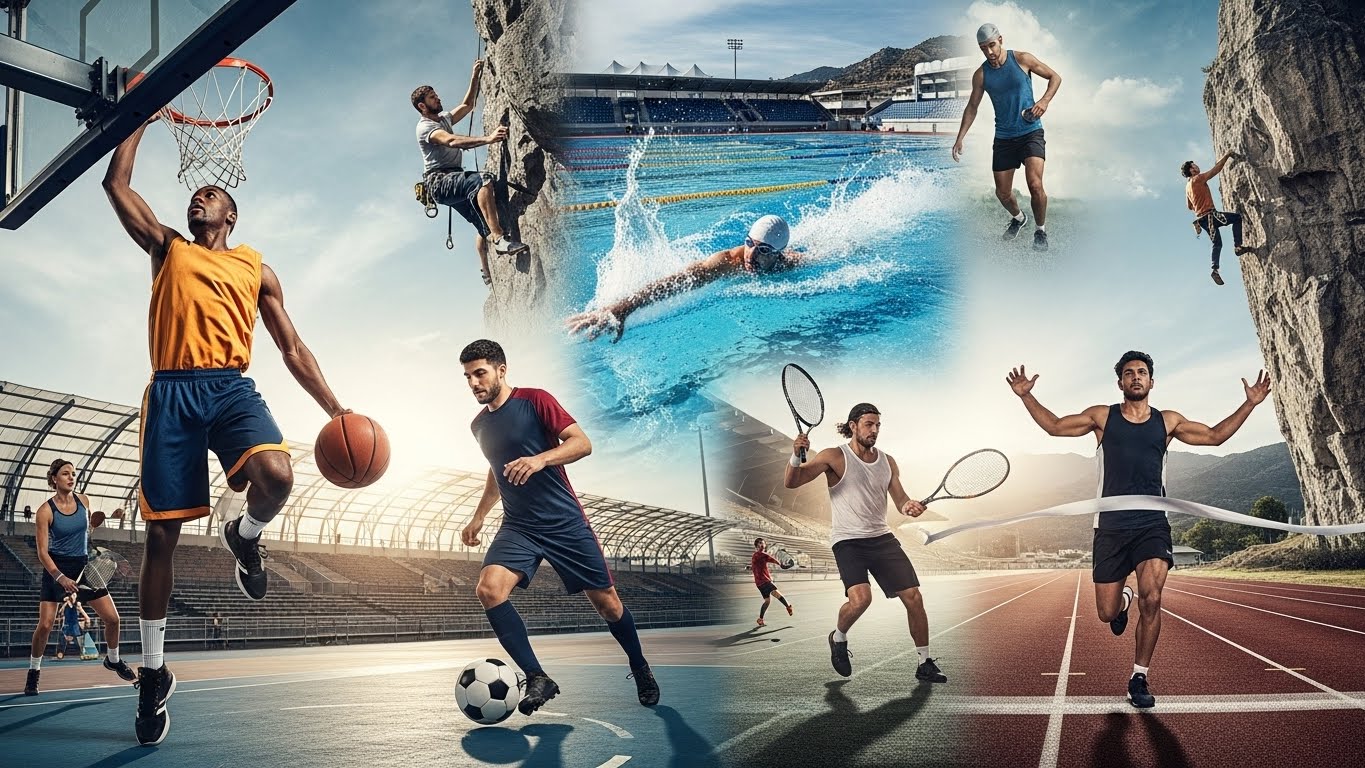
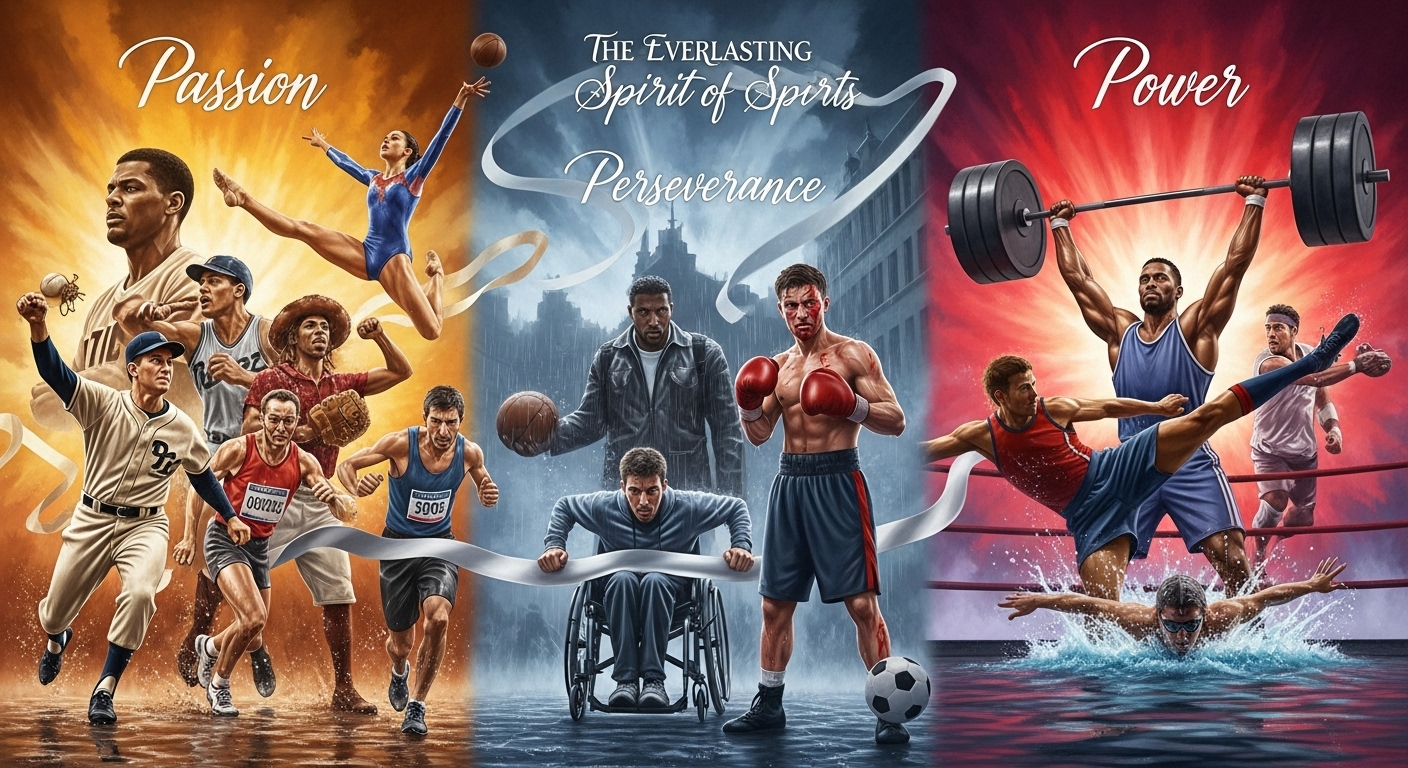
Sports have been an integral part of human civilization since ancient times. From the early days of physical contests in Greek arenas to the massive global sporting events of today, sports have shaped societies, inspired individuals, and brought nations together. The significance of sports extends far beyond entertainment—it teaches discipline, teamwork, endurance, and respect. In a world often divided by politics, religion, and culture, sports remain a universal language that unites people through shared emotion and competition.
The Evolution of Sports Through the Ages
The history of sports is as old as human civilization itself. Early humans engaged in physical activities such as running, hunting, and wrestling for survival. These eventually evolved into organized forms of competition. Ancient Egypt had sports like archery and swimming, while the Greeks developed the Olympic Games in 776 BC, which celebrated physical prowess and divine honor. The Romans followed with gladiatorial games that, while brutal, demonstrated endurance and courage.
As centuries passed, sports transformed from survival-based activities into structured competitions with rules and regulations. The medieval period introduced jousting, fencing, and horse racing. With industrialization in the 18th and 19th centuries, modern sports such as football, cricket, and tennis began to take shape. The rise of global communication in the 20th century allowed sports to reach new audiences, turning athletes into international icons.
Today, sports encompass hundreds of disciplines, from traditional games to e-sports, representing a blend of culture, technology, and human ambition.
The Power of Team Sports
Team sports like football, basketball, volleyball, and cricket have always held a special place in the hearts of fans. These games symbolize unity, cooperation, and shared purpose. A football team’s success depends not only on the individual brilliance of players but also on how well they synchronize as a unit. Every pass, tackle, and goal is a result of trust and teamwork.
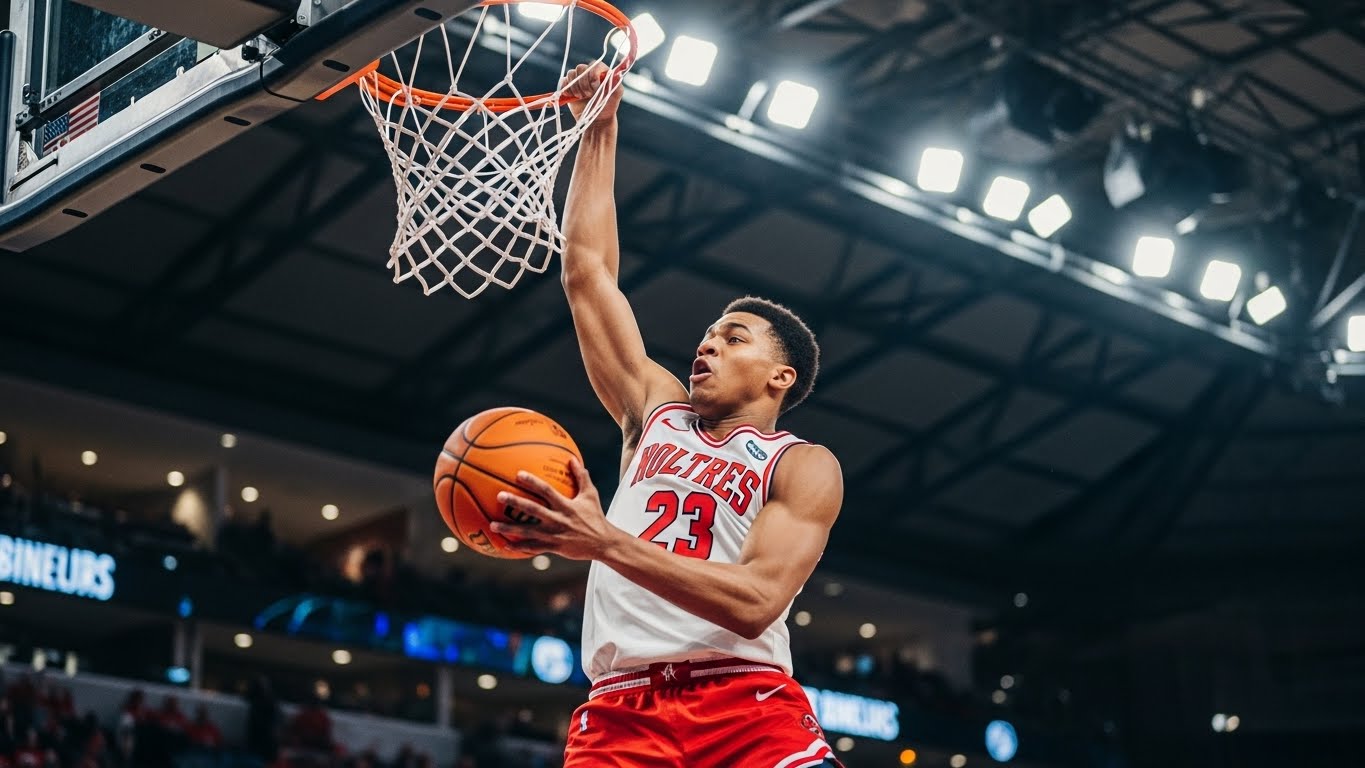
Basketball, for instance, thrives on communication and chemistry. Each player contributes to the overall success of the team—whether it’s through scoring, defending, or supporting teammates. Similarly, cricket embodies patience, coordination, and adaptability. Whether in test matches or limited overs, the game reflects strategy and mental toughness.
Team sports teach invaluable life lessons. They show that victory is sweeter when achieved collectively and that setbacks can be overcome through mutual support. In an era when individuality is often emphasized, team sports remind us of the strength found in collaboration.
The Allure of Individual Sports
While team sports highlight unity, individual sports showcase personal determination, skill, and resilience. Athletes in sports like tennis, boxing, athletics, gymnastics, or swimming stand alone on the stage, their performance entirely dependent on their preparation and mindset.
In individual sports, success is often a mental battle as much as a physical one. Tennis players like Roger Federer or Serena Williams have demonstrated that mastery requires not just technical ability but also emotional balance. In athletics, legends like Usain Bolt and Carl Lewis have inspired millions through their speed and charisma. Gymnasts, swimmers, and martial artists dedicate years of practice for moments that last only seconds but define their entire careers.
The beauty of individual sports lies in personal accountability. Every triumph and every failure rests solely on the athlete. It builds character, teaches perseverance, and inspires millions to push their limits.
The Role of Sports in Society
Sports play an essential role in building communities and shaping national identity. A major sporting victory can lift the spirits of an entire nation. For example, when a country wins a world championship, it creates a sense of pride that transcends regional and cultural divides. Sports can serve as a form of diplomacy, helping nations strengthen relationships through mutual respect and competition.
At a local level, sports foster social inclusion and youth development. Community-based sports programs encourage children to stay active, develop confidence, and learn teamwork. Sports also bridge social gaps, bringing together people from different backgrounds under a shared passion.
Furthermore, sports serve as a powerful platform for social change. Many athletes use their fame to promote education, equality, and humanitarian causes. Whether it is speaking against discrimination or supporting disaster relief efforts, sports figures often become voices of hope and inspiration.
The Physical and Mental Benefits of Sports
Engaging in sports is one of the best ways to maintain a healthy lifestyle. Physically, sports improve cardiovascular fitness, muscle strength, coordination, and flexibility. Regular participation reduces the risk of diseases such as obesity, diabetes, and hypertension. Beyond physical benefits, sports also contribute immensely to mental well-being.
Sports are known to reduce stress and anxiety by releasing endorphins—natural mood boosters. They teach time management, focus, and goal setting, essential skills that extend into personal and professional life. For children and teenagers, sports instill discipline, patience, and self-confidence. For adults, it offers an escape from routine pressures and a way to stay mentally sharp.
In the modern age, where technology often leads to sedentary lifestyles, sports remain a crucial reminder of the importance of movement and active living.
Women in Sports: Breaking Barriers
Historically, women faced significant barriers in participating in sports. Societal expectations and cultural norms often limited their opportunities. However, the 20th and 21st centuries witnessed a powerful rise of women in the sporting world. From Billie Jean King’s fight for gender equality in tennis to Simone Biles redefining gymnastics, female athletes have proven that talent knows no gender.
Women’s participation in sports has encouraged younger generations to dream big. Female footballers, cricketers, runners, and martial artists are gaining recognition and inspiring millions globally. Their journey reflects determination, courage, and the ongoing fight for equal pay and representation.
The empowerment of women through sports has not only changed perceptions but also strengthened the overall sporting culture. When young girls see athletes like Naomi Osaka or Megan Rapinoe succeed, they learn that perseverance and hard work can overcome any boundary.
The Economic Impact of Sports
Sports are more than games—they are industries that fuel economies worldwide. From broadcasting rights and sponsorships to tourism and merchandising, the global sports market generates billions of dollars annually. Major events like the Olympics, FIFA World Cup, and Super Bowl attract audiences in the billions, creating employment opportunities and driving economic growth.
Cities that host major tournaments often experience development in infrastructure, hospitality, and transportation. Sports clubs, fitness centers, and apparel companies thrive on the enthusiasm of fans. Even local sporting events can stimulate regional economies by attracting visitors and generating revenue.
However, the financial aspect of sports also brings challenges such as commercialization and exploitation. Balancing profit with fairness and integrity remains a crucial issue for governing bodies and organizers.
The Influence of Technology on Sports
The digital age has revolutionized sports in every possible way. Technology has improved performance, analysis, and fan engagement. Athletes now use wearable devices to track fitness, monitor recovery, and analyze movement. Video analysis helps coaches refine strategies, while virtual reality aids in simulation and training.
Broadcasting and social media have made sports accessible to global audiences. Fans can follow their favorite teams and players in real time, no matter where they are. Esports, a technological innovation in itself, has become one of the fastest-growing sports industries, drawing millions of viewers and participants worldwide.
Technology has also enhanced fairness in competition through innovations like VAR (Video Assistant Referee) in football and Hawk-Eye in tennis and cricket. These tools help ensure that decisions are accurate, reducing controversies and maintaining integrity in sports.
The Emotional Power of Sports
Beyond statistics and records, sports touch the human soul. The joy of victory, the heartbreak of defeat, the anticipation before a crucial match—all these emotions connect fans and players in a shared experience. Sports have the power to make people laugh, cry, and believe in miracles.
The sight of an underdog triumphing over a stronger opponent reminds us that effort and spirit can defy odds. Fans celebrate together, mourn together, and live through their teams’ journeys. Sports foster belonging—a sense of being part of something greater than oneself.
Every game tells a story of dreams, struggles, and triumphs. It is this storytelling power that makes sports one of humanity’s most enduring passions.
Youth and the Future of Sports
The future of sports lies in the hands of young athletes. With access to better training facilities, nutrition, and global exposure, the next generation has more opportunities than ever. Youth sports programs around the world aim to nurture raw talent and guide young people toward professional success.
However, youth sports also face challenges such as pressure, burnout, and inequality in access to resources. Encouraging a balanced approach that prioritizes health and education is essential. Sports should remain a source of joy and growth rather than stress and exploitation.
Governments, schools, and organizations must continue investing in grassroots programs to ensure that sports remain inclusive, affordable, and accessible to all.
The Spirit of Fair Play
Sportsmanship is the moral foundation of sports. It embodies honesty, respect, and fairness. Whether winning or losing, athletes are expected to uphold integrity. The greatest moments in sports are not always about victory but about compassion—like when a runner helps a competitor cross the finish line or when players show respect after a hard-fought match.
Doping scandals and unethical practices threaten this spirit, but sports continue to emphasize the value of fair play. The true beauty of competition lies in the pursuit of excellence within the rules. When athletes compete honorably, they elevate not just themselves but the entire sporting community.
Global Sporting Events: A Celebration of Humanity
Events like the Olympics and the FIFA World Cup go beyond competition—they represent global unity. Every four years, the world comes together to celebrate diversity and human achievement. Athletes from every corner of the world share the same stage, demonstrating that while cultures differ, passion is universal.
These events showcase talent, culture, and national pride. They remind humanity of what can be achieved through collaboration and respect. The Olympic flame, for instance, symbolizes peace, friendship, and the unending pursuit of excellence.
The Cultural Significance of Sports
Sports influence music, fashion, literature, and even language. Iconic jerseys, chants, and traditions form an essential part of global culture. Sports heroes often become cultural icons, shaping trends and inspiring artistic expression. The imagery of a player lifting a trophy or celebrating a goal becomes a symbol of aspiration and perseverance.
In many societies, sports reflect cultural identity. Cricket in South Asia, football in Latin America, basketball in the United States, and rugby in New Zealand all carry deep historical and emotional meaning. They unite people in celebration and pride, preserving cultural legacy through generations.
Conclusion: Sports as a Way of Life
Sports are more than a pastime—they are a way of life. They embody values such as hard work, resilience, and respect. From local playgrounds to grand arenas, sports inspire dreams and create heroes. They teach us to rise after every fall, to respect opponents, and to cherish moments of triumph and defeat alike.
In an increasingly digital and divided world, sports remind us of our shared humanity. Every cheer in the stadium, every handshake after a match, and every tear of joy tells a story of unity, effort, and passion. Whether played professionally or casually, sports continue to shape individuals and societies, proving that the true victory lies not just in winning, but in playing with heart.