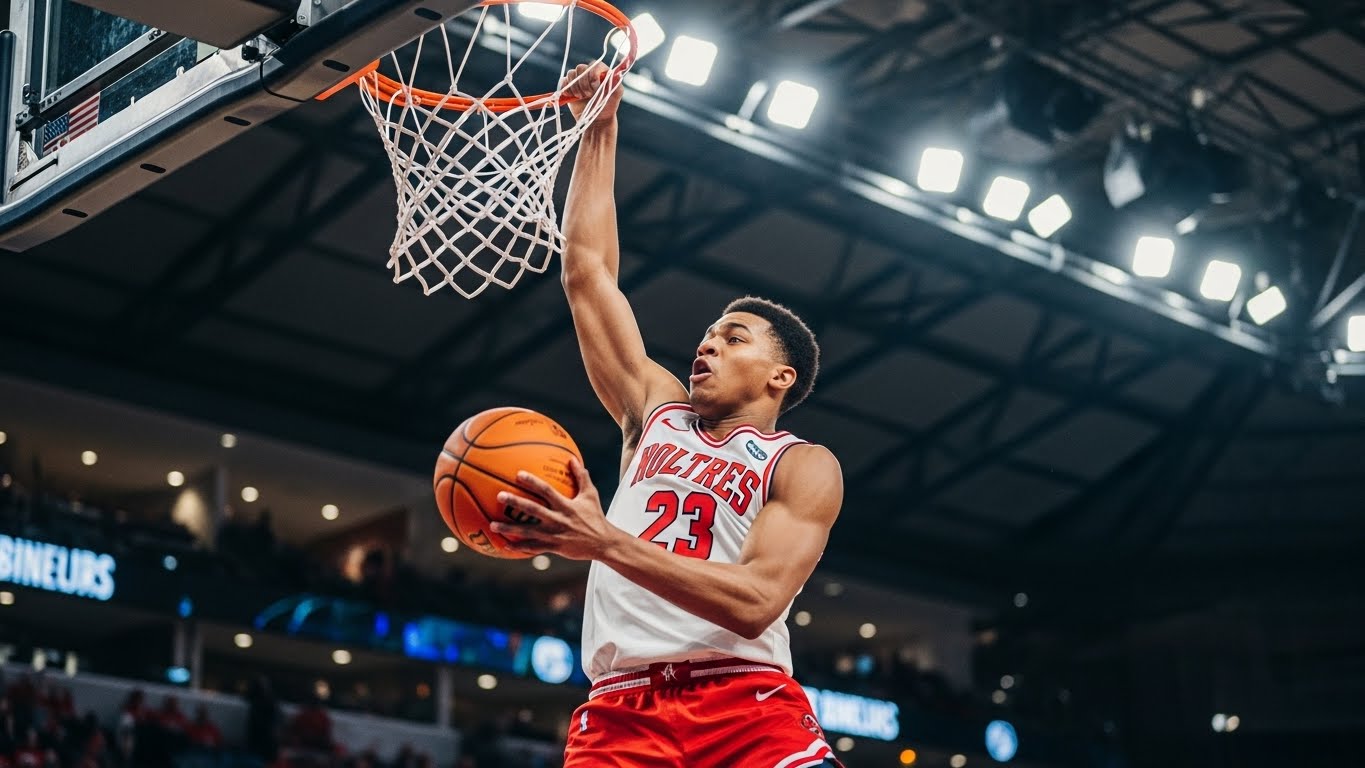
Sports are more than just physical activities; they are a language spoken universally, understood by people of every nation, and cherished by millions across the globe. From the earliest civilizations to modern times, sports have united humanity, inspired excellence, and reflected the values of dedication, teamwork, and resilience. Whether played in dusty streets, massive stadiums, or serene beaches, sports are a celebration of human spirit and effort. This blog delves deep into the world of sports, exploring its history, significance, evolution, and impact on society, along with the lessons it teaches and the emotions it stirs in everyone involved.
The Origins of Sports
The concept of sports dates back thousands of years. In ancient civilizations, sports were often linked with religion, physical training, and entertainment. The Egyptians engaged in swimming, wrestling, and archery, while the Greeks laid the foundation of organized sports through the Olympic Games, held in Olympia around 776 BC. These events celebrated human strength and agility and honored the gods through competition.
In ancient Rome, sports such as gladiatorial combat, chariot racing, and wrestling captivated vast audiences. Though brutal by modern standards, these events symbolized courage and endurance. Across other parts of the world, indigenous communities developed their own sports traditions—Native Americans played lacrosse long before it became a recognized global sport, and the Mayans engaged in ball games with deep ritualistic significance.
Over time, sports evolved from sacred rituals to organized recreational and competitive activities. With the advent of modern society, they became a reflection of human progress, discipline, and unity.
The Evolution of Modern Sports
Modern sports as we know them began to take shape during the 18th and 19th centuries, particularly in Europe. The industrial revolution gave rise to structured leisure time, allowing people to participate in organized sports. Britain, in particular, became the birthplace of many contemporary sports including football, cricket, rugby, and tennis.
Football (soccer) became the most popular sport in the world due to its simplicity and accessibility. Cricket developed as a gentleman’s game, embodying the spirit of fairness and sportsmanship. Tennis, on the other hand, became synonymous with grace and strategy.
As colonization spread, these games were introduced across continents. Different nations adapted them to their cultures, infusing them with their own style and identity. The global spread of sports created a shared culture that transcended political and linguistic barriers. By the 20th century, sports had become an integral part of education, entertainment, and international diplomacy.
The Role of Sports in Society
Sports play a significant role in shaping societies. They are not merely games but institutions that foster discipline, leadership, and cooperation. For young people, sports serve as an important tool for physical and mental development. They teach values such as hard work, persistence, and fair play—qualities that extend far beyond the playing field.
Sports also serve as a unifying force. When a national team competes, the entire nation comes together, irrespective of class, race, or religion. Events like the FIFA World Cup or the Olympic Games demonstrate how sports can promote peace and understanding among nations. The sight of athletes from conflicting countries shaking hands or exchanging jerseys symbolizes a hope that transcends politics and conflict.
Furthermore, sports contribute significantly to the economy. They generate employment, drive tourism, and foster industries such as broadcasting, sportswear, and sponsorship. From local tournaments to global championships, sports bring immense value, both emotional and financial, to societies worldwide.
The Spirit of Competition
At the heart of every sport lies competition. It is the driving force that pushes athletes to test their limits, strive for excellence, and achieve greatness. However, true sportsmanship lies not in victory but in the pursuit of improvement and respect for opponents.
Competition teaches resilience. Every athlete faces setbacks, losses, and challenges, but it is through these experiences that they grow stronger. The ability to bounce back from failure is one of the greatest lessons sports can offer. This spirit of perseverance has produced legendary figures like Michael Jordan, Serena Williams, and Usain Bolt—athletes who transformed defeats into fuel for future triumphs.
While competition fuels ambition, it also reminds players and fans alike of humility. Winning gracefully and accepting defeat honorably are hallmarks of a true sportsman. In this sense, sports are a metaphor for life itself—a continuous journey of effort, adaptation, and balance.
The Power of Teamwork
Team sports embody one of the most essential human values—cooperation. Whether it’s football, basketball, volleyball, or hockey, success depends on the collective effort of all team members. Every player, regardless of position, contributes to the larger goal.
In a team, unity, trust, and communication are crucial. A brilliant individual cannot win without the support and coordination of teammates. This principle mirrors real-world dynamics where collaboration often outweighs individual brilliance. Coaches play a vital role in nurturing this teamwork, guiding athletes to understand each other’s strengths and weaknesses.
Team sports also help in building relationships and fostering community spirit. They bring people together across different backgrounds, promoting empathy, understanding, and collective pride. When a team wins, the victory belongs not just to the players but to everyone who believes in them—the fans, the coaches, and even the local community.
Individual Sports and Personal Discipline
While team sports emphasize collaboration, individual sports highlight personal strength, focus, and determination. Sports like boxing, athletics, gymnastics, and tennis are deeply personal battles between the athlete and their own limitations.
The pressure in individual sports is immense because every success or failure rests solely on one person’s shoulders. However, this also creates a powerful sense of accountability and self-motivation. Athletes learn to master their emotions, overcome fear, and maintain consistency.
Individual sports showcase the beauty of solitary excellence. Athletes like Roger Federer, Simone Biles, and Novak Djokovic have become icons of dedication and control, proving that mastery is achieved through years of relentless effort and mental toughness.
Women in Sports: Breaking Barriers
For centuries, women faced immense challenges in participating in sports. Social norms, discrimination, and lack of support often restricted their involvement. However, the past century has seen a remarkable transformation. Women athletes have broken barriers, shattered stereotypes, and proven their prowess in every field.
Icons like Billie Jean King, Serena Williams, Nadia Comaneci, and Megan Rapinoe have not only achieved greatness but also fought for equality, representation, and respect. Their victories have inspired millions of young girls to pursue sports with confidence and ambition.
Today, women’s sports continue to grow in popularity and recognition. From football and basketball to athletics and cricket, female athletes are commanding global attention and proving that talent and determination know no gender.
The Emotional Impact of Sports
Sports evoke some of the most powerful emotions known to humanity—joy, heartbreak, pride, and hope. A last-minute goal, a record-breaking sprint, or a comeback victory can bring tears to both players and fans. Sports allow people to connect emotionally with something larger than themselves.
For athletes, every victory represents years of dedication, sacrifice, and pain. For fans, every match is a shared experience that strengthens their bond with their team or nation. The emotional highs and lows of sports mirror the unpredictability of life, making them universally relatable.
Technology and the Future of Sports
Modern technology has revolutionized sports in countless ways. From performance tracking and instant replays to wearable fitness devices and virtual reality training, innovation has elevated the standard of both playing and watching sports.
Athletes now have access to advanced analytics that help them optimize their performance. Coaches can analyze data in real-time to adjust tactics, while fans can enjoy immersive experiences through digital platforms. The rise of esports, a new form of competitive gaming, has also expanded the definition of sports in the digital age.
However, technology also raises important ethical questions—such as the fairness of performance-enhancing technologies and the overreliance on machines in decision-making. Striking a balance between progress and integrity will shape the future of sports in the decades to come.
The Role of Sports in Health and Fitness
Beyond competition, sports are essential for maintaining physical and mental health. In a world increasingly dominated by sedentary lifestyles, regular participation in sports helps prevent obesity, heart disease, and stress-related disorders.
Physical activity improves cardiovascular health, strengthens muscles, and enhances flexibility. Mentally, it boosts mood, reduces anxiety, and builds self-confidence. Team sports, in particular, promote social connections, which are vital for emotional well-being.
Schools and communities that encourage sports participation contribute to healthier and more active societies. It is not only about producing champions but nurturing individuals who value wellness and discipline.
The Economic and Cultural Influence of Sports
Sports have evolved into a massive global industry worth billions of dollars. Major sporting events such as the Olympics, FIFA World Cup, and Super Bowl attract enormous audiences and generate significant economic activity. Sponsorships, merchandising, broadcasting rights, and tourism all contribute to this vast ecosystem.
Sports also have a profound cultural impact. They shape national identity, inspire art and literature, and even influence fashion. Athletes often become cultural icons, representing values such as perseverance and humility. From stadium chants to sporting rituals, every element adds to a rich cultural tapestry that defines nations and communities.
Challenges in the World of Sports
Despite its many positives, sports face significant challenges. Issues like doping, corruption, racism, and commercialization threaten the integrity of competitions. The pressure on athletes to perform can also lead to mental health struggles, burnout, and unethical practices.
Moreover, the gap between rich and poor nations in sports funding and infrastructure remains wide. Many talented athletes lack access to proper facilities or training due to financial or political limitations. Addressing these inequalities is crucial for ensuring that sports remain fair, inclusive, and accessible to all.
Sports and Global Unity
Sports have a unique ability to bring people together. They serve as bridges between nations and communities, fostering dialogue and friendship. The Olympic motto, “Faster, Higher, Stronger—Together,” perfectly encapsulates the essence of global cooperation through sports.
Moments like Nelson Mandela’s use of rugby to unite post-apartheid South Africa or the joint participation of Korean athletes in international games illustrate how sports can heal divisions and inspire peace.
In an increasingly divided world, the unifying power of sports remains one of humanity’s greatest strengths.
Conclusion: The Endless Game
Sports are not just about winning medals or setting records; they are about the pursuit of excellence, the joy of participation, and the power of unity. They reflect the essence of human potential—the will to push boundaries, to connect with others, and to celebrate life through motion and competition.
As the world continues to evolve, so too will sports, adapting to new technologies, social values, and global challenges. Yet their core spirit will remain unchanged—the spirit of passion, perseverance, and power that makes sports an eternal part of the human journey.
Whether one is an athlete, a fan, or a casual observer, sports remind us of what it means to strive, to dream, and to belong. They are, and will always be, one of the purest expressions of humanity’s boundless energy and collective heart.