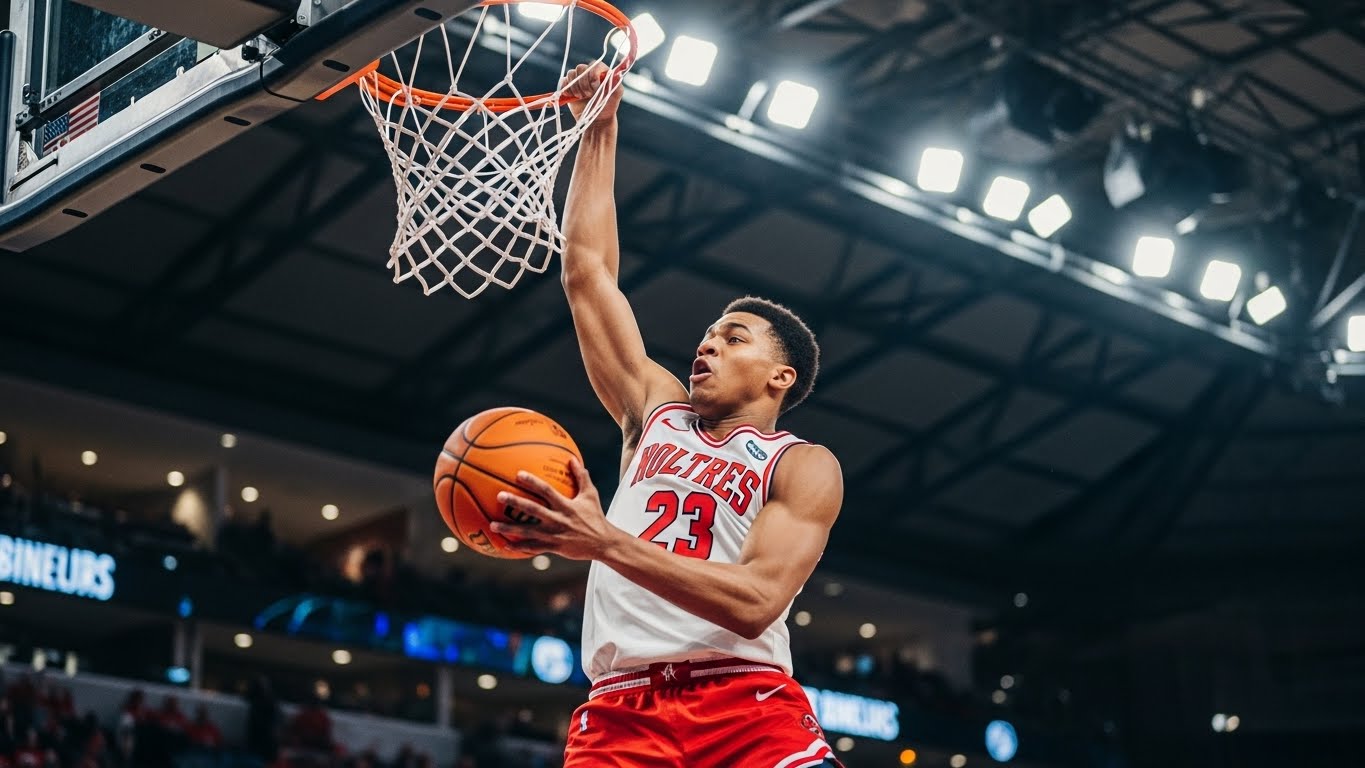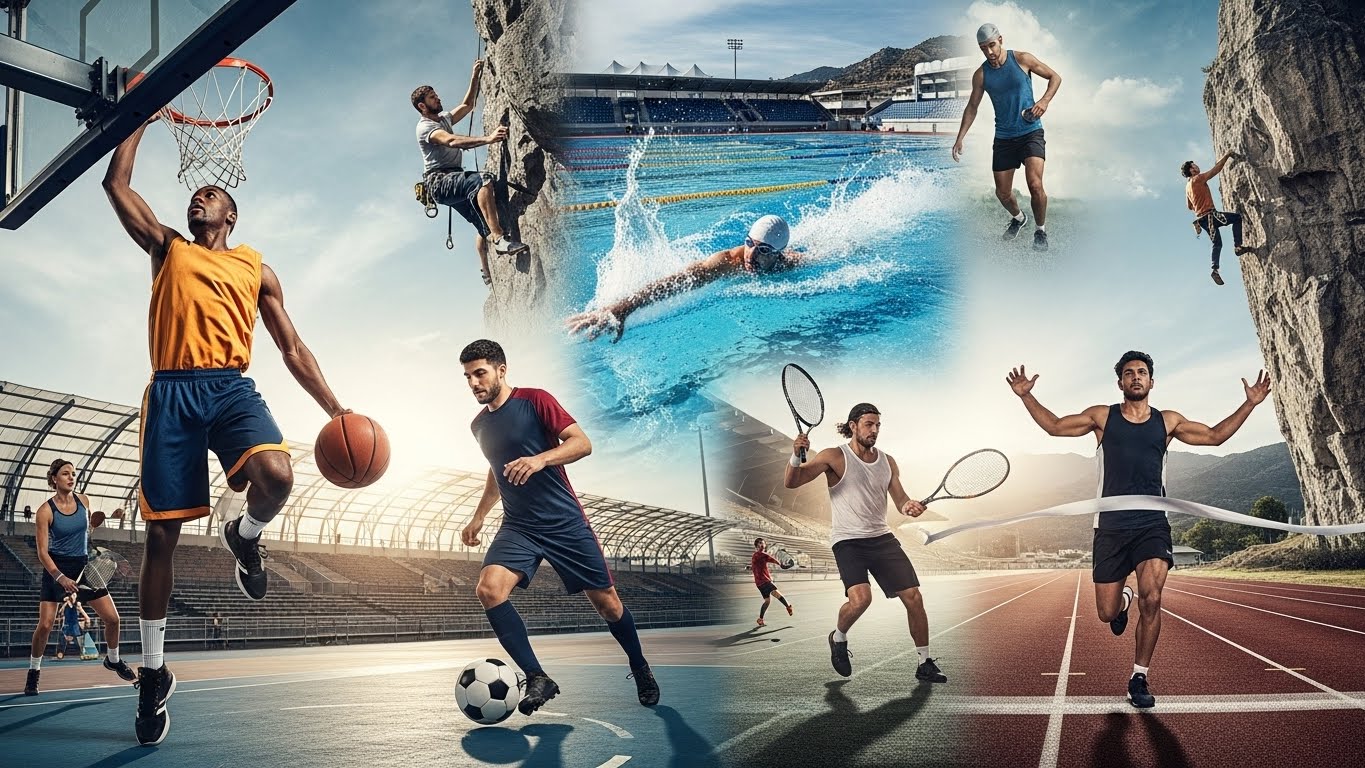
Sports have always been more than mere games. They are a mirror reflecting the deepest aspects of human nature — determination, unity, conflict, and triumph. Whether it’s a football match that unites millions around the globe, an Olympic sprint that lasts mere seconds but carries a lifetime of preparation, or a local cricket game played on dusty fields with makeshift bats, sports embody the universal language of competition and connection. They transcend race, nationality, and belief, becoming one of the few arenas where humanity gathers under the same emotional umbrella of anticipation, joy, and heartbreak.
In this exploration of the world of sports, we’ll look at how athletics have shaped societies, inspired individuals, and transformed cultures. From ancient beginnings to modern stadiums filled with roaring crowds, sports remain an essential part of human evolution and identity.
The Ancient Origins of Sports
The roots of sports stretch far back into prehistory. Long before the establishment of structured games or professional leagues, early humans engaged in physical contests that mimicked survival skills — running, wrestling, throwing, and hunting. These early competitions were not just for recreation; they were forms of preparation, community bonding, and even ritual.
The earliest recorded evidence of organized sports dates back to ancient Egypt, Greece, and Mesopotamia. The Egyptians practiced wrestling and archery, while the Greeks elevated athletics to a near-spiritual status through the Olympic Games. The first Olympics, held in 776 BCE, celebrated human potential as much as divine favor. Greek athletes competed nude, symbolizing purity and equality, and the events — from discus throwing to long-distance running — tested both strength and strategy.
For the Greeks, sports were part of arete, the pursuit of excellence. Victorious athletes were immortalized in sculpture and song, and their success brought honor to their city-states. In many ways, this ancient ideal still echoes in today’s world, where athletes are celebrated as national heroes and global icons.
The Medieval and Renaissance Evolution
As civilizations evolved, so too did the nature of sports. The medieval period saw the rise of tournaments, jousting, and combat games, reflecting the warrior culture of feudal Europe. Knights and nobles used these events to display valor, courage, and mastery of arms. Meanwhile, traditional folk games — early forms of football, wrestling, and running — flourished among commoners, often held during festivals or harvest celebrations.
In Asia, martial arts took form as both sport and spiritual discipline. Japan developed sumo wrestling and kendo, while China cultivated the art of kung fu. These disciplines emphasized balance between body and mind, creating traditions that still endure today.
During the Renaissance, physical education regained intellectual respectability. The idea of the “complete man” — strong in body as well as mind — reemerged. Scholars and philosophers like Leonardo da Vinci and Michel de Montaigne praised physical vigor as a vital component of human potential. Schools began incorporating games and exercises, laying the foundation for modern physical education.
The Industrial Age and Birth of Modern Sports
The 19th century marked a revolution in the world of sports. With the Industrial Revolution came urbanization, leisure time, and new social structures that encouraged organized competition. Britain, in particular, played a crucial role in codifying many sports — football (soccer), rugby, cricket, tennis, and boxing — establishing rules, associations, and professional clubs.
Football evolved from chaotic street games into a disciplined sport with standard dimensions, regulations, and leagues. Cricket became a symbol of gentlemanly conduct and fair play, while tennis and golf flourished as pastimes of the upper class before spreading globally.
Perhaps the greatest transformation came with the revival of the Olympic Games in 1896, thanks to Baron Pierre de Coubertin. His vision was not merely to recreate ancient glory but to promote international peace through sportsmanship. The modern Olympics became a global stage, showcasing not only athletic excellence but also the diversity and unity of nations.
Sports as a Mirror of Society
Every era of sports history reflects the social and political climate of its time. In the early 20th century, as nationalism grew, international competitions became platforms for political expression. The 1936 Berlin Olympics, for example, were used by Nazi Germany as propaganda, yet it was there that Jesse Owens, an African American athlete, shattered racial stereotypes with four gold medals.
In the latter half of the century, sports became a battleground for equality and justice. The Civil Rights Movement in the United States found an ally in athletes like Muhammad Ali, who used his fame to speak against racial discrimination and the Vietnam War. Billie Jean King fought for gender equality in tennis, defeating Bobby Riggs in the famous “Battle of the Sexes.” Jackie Robinson broke baseball’s color barrier, changing the face of American sports forever.
Sports also mirrored the Cold War tension, with the Olympics often serving as a symbolic contest between the superpowers of the United States and the Soviet Union. The boycotts, record-breaking performances, and national pride all intertwined, making each medal a matter of ideology as much as athleticism.
The Rise of Professionalism and Global Sports Culture
The second half of the 20th century saw sports transition from local entertainment to a global spectacle. The rise of television turned athletes into superstars and games into cultural events. The FIFA World Cup, the Olympics, and major leagues like the NBA, NFL, and Premier League began reaching billions through live broadcasts.
This professionalization brought both opportunity and complexity. Sponsorship deals, advertising, and media rights transformed sports into multi-billion-dollar industries. Athletes became brands, and competitions became products. The line between sport and entertainment blurred, yet the core — competition and human achievement — remained intact.
With globalization came cultural exchange. Basketball, born in a Massachusetts gym, spread to every continent. Cricket found passionate followers in South Asia and the Caribbean. Football became the world’s most popular sport, uniting people across language and religion. Sports no longer belonged to nations; they belonged to humanity.
Women in Sports: Breaking Boundaries
For centuries, women faced exclusion from organized sports, seen as unfit or unworthy of competition. But the 20th century witnessed a gradual yet powerful revolution. The inclusion of women’s events in the Olympics, beginning with tennis and golf in 1900, was a small step toward equality.
The feminist movements of the 1960s and 70s accelerated change. Title IX in the United States mandated equal opportunities in education and athletics, creating a generation of female athletes who challenged stereotypes and achieved excellence. Icons like Serena Williams, Marta, Simone Biles, and Megan Rapinoe became symbols of empowerment, not only redefining their sports but also inspiring millions of young girls worldwide.
Today, women’s sports command global attention, from the Women’s World Cup to the WNBA. Yet the struggle for equal pay, media coverage, and sponsorship continues. The story of women in sports is still being written, one victory at a time.
The Science of Sports and Human Performance
Modern sports are not only about talent but also about science. Advances in physiology, nutrition, psychology, and technology have redefined what the human body can achieve. Coaches and trainers now rely on data analytics, biomechanics, and genetic research to optimize performance.
From carbon-fiber prosthetics enabling Paralympians to break records, to smart wearables that monitor heart rate and recovery, technology has become an inseparable part of the athletic experience. Artificial intelligence now assists in scouting talent, analyzing tactics, and preventing injuries.
However, with innovation comes ethical challenges. The debate over performance-enhancing drugs, genetic modification, and technological doping raises questions about fairness and integrity. Where does human effort end and artificial aid begin? The future of sports will depend on how societies balance progress with principle.
Sports and Mental Health
In recent years, the conversation around sports has expanded beyond physical strength to include mental well-being. The image of the invincible athlete has given way to a more human portrayal — one that acknowledges pressure, anxiety, and vulnerability.
High-profile athletes like Naomi Osaka, Michael Phelps, and Simone Biles have opened up about their struggles, breaking the silence around mental health in competitive sports. Their courage has reshaped how teams, fans, and organizations view mental resilience. It is no longer enough to train the body; the mind must be nurtured with equal care.
Sports psychology now plays a vital role in preparing athletes for the mental demands of competition. Visualization, mindfulness, and emotional regulation are as crucial as physical drills. The recognition of mental health not only helps athletes perform better but also inspires fans to value balance and self-care in their own lives.
Sports and Global Unity
Few things unite the world like sports. When the Olympic flame is lit or the World Cup begins, billions of hearts beat in unison. These moments transcend borders and politics, creating shared memories that define generations.
Think of South Africa’s 1995 Rugby World Cup victory, which symbolized post-apartheid reconciliation. Or the refugee team competing under the Olympic flag, representing hope for those displaced by war. Sports can heal wounds, bridge divisions, and foster peace.
Even in times of conflict or crisis, sports have offered solace and solidarity. During the COVID-19 pandemic, empty stadiums reminded us of what we had lost — not just entertainment, but community. The eventual return of fans to the stands became a metaphor for resilience and renewal.
The Economics and Politics of Sports
While sports unite, they also reveal economic and political complexities. Hosting mega-events like the Olympics or World Cup can bring prestige but also controversy. Cities invest billions in infrastructure, often leaving behind debt and displacement. Yet these events can also rejuvenate tourism, create jobs, and inspire national pride.
Sports diplomacy has become an essential tool of international relations. From the “ping-pong diplomacy” between the United States and China in the 1970s to modern-day goodwill matches, athletic exchanges often succeed where politics fail. Nations use sports to showcase culture, assert soft power, and build alliances.
On the darker side, corruption scandals, match-fixing, and exploitation of athletes continue to plague the industry. Balancing passion with profit remains one of the greatest challenges of modern sports.
The Digital Revolution and the Future of Sports
The 21st century has brought a digital transformation that is reshaping every aspect of sports. Streaming platforms, virtual reality, and eSports are redefining how fans engage. Social media gives athletes direct access to their audience, turning them into influencers and activists.
Data analytics allows coaches to dissect every move, while fans track player stats in real-time. Virtual training, drone cameras, and artificial intelligence-driven strategies have made sports more technical and precise than ever.
Meanwhile, eSports — competitive video gaming — has emerged as a legitimate discipline, attracting massive audiences and sponsorships. While traditionalists may question its classification as a sport, the skill, strategy, and teamwork involved mirror those in physical competition.
The future of sports lies at the intersection of technology, inclusivity, and sustainability. As climate change challenges outdoor events, eco-friendly stadiums and carbon-neutral tournaments are becoming priorities. The essence of sports — human passion and connection — will remain, but its form will continue to evolve.
The Spirit of Sportsmanship
Beyond records and rivalries lies the true essence of sports: sportsmanship. It is the invisible thread that binds all athletes and fans. The handshake after a match, the applause for a worthy opponent, the compassion shown in defeat — these moments define sports more than trophies ever could.
Sportsmanship teaches humility in victory and grace in loss. It reminds us that the opponent is not the enemy but the partner in the dance of competition. This spirit, more than any rule or medal, ensures that sports remain a celebration of humanity rather than mere contests of might.
Why Sports Matter
In a world often divided by ideology, race, or wealth, sports remain a rare force of unity. They offer a sense of belonging, teach discipline, and provide an outlet for expression. For children, they instill values of teamwork, perseverance, and respect. For adults, they offer escape, joy, and nostalgia.
Sports are woven into the very fabric of society. They inspire art, literature, and music. They influence politics, fashion, and language. A single moment — a goal, a sprint, a record — can lift a nation’s spirit or bring the world to tears.
Perhaps the greatest beauty of sports lies in their unpredictability. No matter how skilled the players or how advanced the technology, the outcome is never certain. Each game is a story waiting to be told, filled with drama, emotion, and hope.
Conclusion: The Endless Game
Sports are not just about winning or losing; they are about striving — about testing the boundaries of what humans can do and who we can become. From the dusty arenas of ancient Greece to the high-tech stadiums of today, the spirit of competition has remained a constant companion in humanity’s journey.
As long as there are people willing to push limits, to sweat, to dream, and to compete, sports will never fade. They will continue to inspire unity, courage, and compassion across generations. The fields may change, the equipment may evolve, but the heartbeat of sports — the pursuit of greatness through effort and respect — will endure forever.